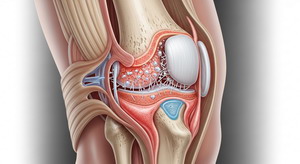
Key concept:For some people many plant foods are not their friends and cause chronic pain and fatigue, joint pain,
kidney stones, and many other symptoms.
HI ,
Could Oxalates Be Affecting Your Health?
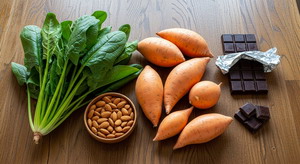
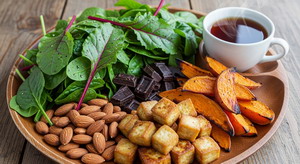
You may never have heard of oxalates, but chances are you eat them every day. Found naturally in many healthy foods — from spinach and almonds to sweet potatoes and chocolate — oxalates are a normal part of most diets. For the majority of people, they pass through the body without causing any
trouble. But for some, oxalates can quietly contribute to a surprising range of health problems, from kidney stones to chronic pain. This article will help you understand what oxalates are, what symptoms might suggest they are a problem for you, and what you can do about it.
What Are Oxalates?
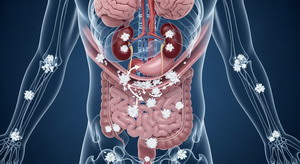
Oxalic acid is a naturally occurring compound that plants produce as part of their normal chemistry. When you eat these plants, the oxalic acid binds to minerals like calcium and iron in your digestive tract, forming crystals called oxalates. Normally, most of these crystals pass out of your body in stool. A small amount is absorbed into the bloodstream
and filtered out by the kidneys into urine.
Problems can arise when the body absorbs too much oxalate, or when the kidneys cannot clear it efficiently. Excess oxalate can then accumulate in urine, tissues, and joints — leading to the health issues described below.
Foods that are particularly high in oxalates include:
Spinach, Swiss chard, and beet greens
Almonds and cashews
Rhubarb
Chocolate and cocoa
Sweet potatoes
Black tea
Soy products
Signs That Oxalates Might Be a Problem for You
Oxalate-related symptoms can be easy to overlook because they mimic many other conditions. Here are some of the most common warning signs to watch for:
Kidney Stones
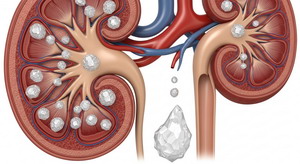
This is the most well-known oxalate problem. About
80% of all kidney stones are made of calcium oxalate. If you have had a kidney stone — especially more than once — oxalate is a very likely contributor. Symptoms of a kidney stone include severe pain in the back or side, blood in the urine, and a frequent urge to urinate.
Joint Pain and Muscle Aches
Oxalate crystals can deposit in joints and soft tissues, causing pain and stiffness that resembles arthritis or fibromyalgia. If you experience unexplained joint pain, particularly after eating high-oxalate meals, it may be worth exploring the connection.
Chronic Pelvic or Vulvar Pain
Some women with a
condition called vulvodynia — chronic pain or burning in the vulvar area with no clear cause — have found relief by reducing oxalate intake. While the research is still developing, a trial low-oxalate diet may be worth discussing with your doctor if you experience this type of pain.
Digestive Symptoms
Bloating, abdominal discomfort, and irregular bowel movements after eating high-oxalate foods can be a sign that your gut is absorbing more oxalate than it should. This is especially common in people with underlying gut conditions like Crohn's disease, celiac disease, or a history of intestinal surgery.
Fatigue and Brain Fog
While less well-studied, some people report significant fatigue, poor concentration, or mental cloudiness that improves when they reduce oxalate in their diet. Researchers believe this may be related to oxalate's effects on mitochondria — the energy-producing structures inside our cells.
Who Is Most at Risk?
Anyone can experience oxalate-related issues, but some people are significantly more vulnerable than others. You may be at higher risk if you have any of the following:
A history of kidney stones, especially calcium oxalate stones
Inflammatory bowel disease (Crohn's or ulcerative
colitis)
Celiac disease, even if you are following a gluten-free diet
A history of gastric bypass surgery
Frequent antibiotic use, which can disrupt the gut bacteria that break down oxalate
Low calcium intake or a calcium-restricted diet
Vitamin B6 or magnesium deficiency
A diet very heavy in spinach, almonds, or other high-oxalate foods
What You Can Do
If you suspect oxalates may be contributing to your symptoms, the good news is that there are practical steps you can take — many of them simple changes to how you prepare and eat food.
Pair high-oxalate foods with calcium.
This is one of the most
effective strategies. Eating a calcium-rich food (like dairy, fortified plant milk, or canned fish with bones) alongside high-oxalate foods causes oxalate to bind to calcium in the gut, preventing it from being absorbed. Counterintuitively, avoiding dairy with high-oxalate meals actually makes things worse.
Boil your high-oxalate vegetables.
Boiling vegetables like spinach and then draining and discarding the water can reduce their oxalate content by 30 to 50 percent. Steaming and roasting are less effective.
Stay well hydrated.
Drinking plenty of water dilutes the concentration of oxalate in urine, reducing the risk of crystal formation in
the kidneys. Aim for pale yellow urine throughout the day as a simple guide.
Support your gut health.
A healthy gut lining and a diverse microbiome are your first line of defense against oxalate overload. Certain gut bacteria, particularly Oxalobacter formigenes, naturally break down oxalate before it can be absorbed. Eating fermented foods, a wide variety of fiber, and minimizing unnecessary antibiotic use can help support these beneficial bacteria.
Consider a trial low-oxalate diet.
If you have multiple symptoms that might be oxalate-related, talking to your doctor or a registered dietitian about trying a low-oxalate diet for four to six weeks can be informative. If your symptoms improve noticeably, that is a strong clue that oxalates are involved. This should be done with professional guidance to make sure your diet remains balanced and nutritious.
When to Talk to Your Doctor
Most people with mild oxalate sensitivity can manage their symptoms through dietary adjustments alone. However, you should speak with your healthcare provider if you have had more than one kidney stone, if you have unexplained chronic pain that has not responded to other treatments, or if you have a family history of kidney disease. In rare cases,
a genetic condition called primary hyperoxaluria causes the liver to overproduce oxalate regardless of diet — this is a serious medical condition requiring specialized care.
A simple 24-hour urine test can measure how much oxalate you are excreting and help your doctor determine whether elevated oxalate is contributing to your symptoms.
The Bottom Line
Oxalates are not a problem for everyone, and there is no need to fear healthy plant foods. But if you have been struggling with kidney stones, unexplained joint pain, pelvic discomfort, or persistent fatigue — and no one has quite figured out why — oxalates are worth exploring. Simple changes like boiling vegetables, pairing foods
with calcium, and drinking more water may make a meaningful difference.
Ahh, breakfast time! Is it worth it to be stuck in bed just because you get breakfast served to you every morning? It makes me suspicious. She looks pretty happy with her steamed eggs, blood orange slices, and gluten free toast with organic peanut butter.
Sugar in childhood increases heart attacks later.
Recent research of folks that experienced little to no sugar in their first 1000 days of life showed that they had a 20% lower chance of having a heart attack later in life.
"Knowing the truth does not change our relationship to that truth. We have to choose to act differently in relation to that truth to get different results.
"
~David DeLapp
_____________________________________
Cheese and cream reduce the risk for dementia
Tracking 28,000 people's diets for 25 years has shown that eating about 2 ounces of full fat cheese each day reduces their chances of developing dementia by 13% - 17% and full fat cream by 16% to 24%. I don't want dementia, so I guess I will have to eat more cream and cheese!
"The desire to dominate is a trap. The dopamine rush it produces is addictive making us a slave to those we try to dominate."
~David DeLapp
________________________________________
GLP-1 drugs appear to be triggering a huge rise in gallbladder surgeries
The incidence of Gall Bladder surgeries has been skyrocketing the last few years, and it appears to be associated with the use of GLP-1 weight loss drugs. Gall stones is a known potential side effect of using these drugs, but it looks like the issue is a little deeper than we have been told.
"Victims are essential for playing any type of social power game. They may feel unwanted and unvalued, but without them the power position players can't get the winning feelings they are after."
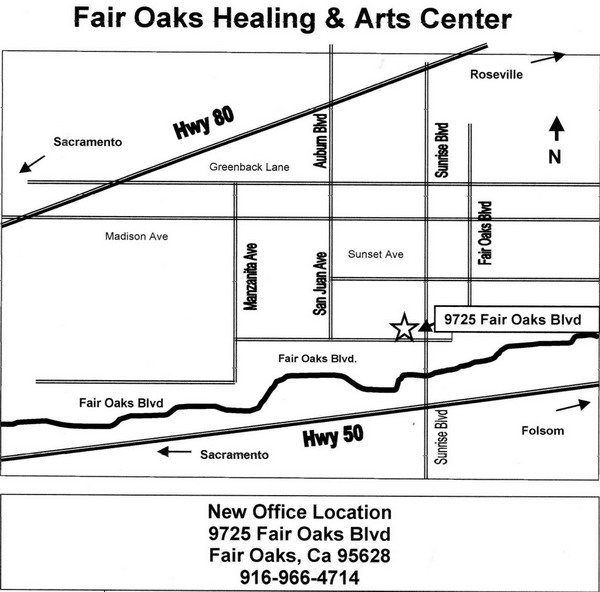
Our address is 9725 Fair Oaks Blvd. suite A Our hours are M, Tu, Th, F 10 to 3:30
Finding our location is very easy. Coming from highway 50 up Sunrise Blvd, you turn left and go up a block. We are on the right hand side - the building just past the Subway Sandwich shop. If you are coming down Sunrise from the Mall area then just turn right on Fair Oaks Blvd and up a block on the right.
If
you are coming from the Roseville area you could come down Sunrise Blvd, but that is a long trek. It is probably shorter time wise to come down Auburn Blvd - San Juan Ave like you have been for the Sunset office, but instead of turning left at Sunset, keep going straight 3 more lights to Fair Oaks Blvd and turn left. Go down 2 lights to New York Ave, go through the intersection, and immediately turn into the turn lane once the center divider ends. We are on the left.
You are free to reprint this article in your newsletter as long as you include the following statement in the same size type and color:
"This article appears courtesy of Fair Oaks Health News, offering natural and healthy solutions for body, mind and soul. For a complimentary subscription, visit http://www.fairoakshealth.com"
Referral doctor for when we are
out of town: Jennifer Webb DC
6216 Main St. suite C1 Orangevale 988-3441
Or Dr. Lily
Dr. Hongtruc Lily Nguyen, DC Carmichael Disc Center
5150 Fair Oaks Blvd, Suite 104
Carmichael, CA 95608 Phone: (916) 680-9989 Fax: (916) 680-9977