Key
concept:Saturated fats are necessary healthy parts of our diet, but there are many types of saturated fat and they all do different things in the body.
HI
,
For years, we’ve heard that all saturated fat is “bad” and should be avoided at all costs. But the latest science tells a much more nuanced and hopeful story. Certain saturated fats—especially the shorter and odd-chain ones found in dairy, coconut, and grass-fed butter—actually deliver powerful benefits to your gut, energy levels, immune system, and metabolism. The key is understanding which ones help, why
portion size and food pairing matter, and how a simple kitchen trick can turn everyday butter into a smarter, more protective spread. This newsletter pulls together the latest insights so you can make confident, practical choices.
Let’s start with the good news. Not all saturated fats are created equal. They come in different chain lengths, and each has its own job in the body.
Short-chain saturated fats (C4, C6) shine for gut health. Butyric acid (C4) is the favorite fuel for the cells lining your colon—supplying up to 70-95% of their
energy. It keeps the gut barrier strong, reduces inflammation, and may lower the risk of inflammatory bowel issues and even colorectal cancer. Caproic acid (C6) adds quick energy and gentle antimicrobial support. These fats are naturally produced when you eat fiber-rich foods, which is why a high-fiber diet feels so satisfying.
Medium-chain fats (C8, C10, C12) are the rapid-energy specialists. Found abundantly in coconut oil and dairy, they are absorbed quickly, sent straight to the liver, and turned into usable energy or ketones without needing much digestion. Caprylic acid (C8) is especially good at fighting yeast and other microbes, while capric (C10) and lauric (C12) support mental clarity, fat burning, and immune
defense. Lauric acid even converts in the body to monolaurin, a natural compound that helps combat viruses and bacteria.
Myristic acid (C14) plays a quiet but essential role in anchoring proteins to cell membranes so they can send the right signals inside cells.
Odd-chain saturated fats like C15 (pentadecanoic acid) are emerging stars. Present in small amounts in
full-fat dairy and some fish, they act like natural “repair crews.” Higher levels in the blood are linked to lower risks of diabetes, heart disease, inflammation, and liver problems. They help mitochondria work better, calm inflammation, and support healthy cholesterol and blood-sugar balance.
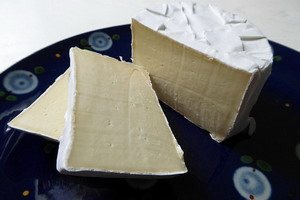
These shorter and odd-chain fats are why many people feel good when they include moderate amounts of butter, cheese, or full-fat dairy. They provide quick energy, support immunity, and keep the gut happy—benefits you simply don’t get from highly processed oils.
Now the important caution: longer-chain saturated fats—mainly palmitic acid (C16) and, to a lesser degree, stearic acid (C18)—need more respect. Palmitic acid is the most common saturated fat in the modern diet. It is vital for building cell membranes and for certain cell-signaling jobs, but when we eat too much (especially in large, isolated portions from processed foods or palm oil), it behaves differently. It
is packaged into chylomicrons—the “delivery trucks” that carry fats from the intestine into the bloodstream. Unfortunately, these trucks can also pick up lipopolysaccharides (LPS), bits of cell wall from normal gut bacteria. Once in circulation, LPS triggers low-grade inflammation that can worsen insulin resistance, raise cholesterol, and contribute to tiredness, weight gain, and heart-disease risk over time.
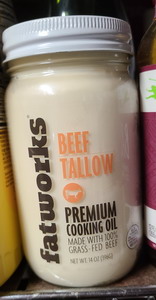
Stearic acid (C18), found in beef tallow, cocoa butter, and some dairy, is gentler. The body quickly converts much of it into oleic acid (the same healthy fat in olive oil), so it doesn’t raise cholesterol or inflammation as readily as palmitic acid does. Still, both longer-chain fats are best enjoyed in moderation and never in isolation.
This is why watching the amount of fat you eat—especially the longer-chain saturated fats—matters. The body handles fat best when it arrives slowly and in the company of protective partners. Large servings of plain butter, cheese, or palm-oil products on an empty stomach or alongside low-fiber, low-vegetable meals can speed up chylomicron formation and let more LPS slip through. In contrast, the same fats
eaten as part of a balanced plate cause far less trouble.
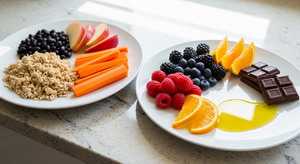
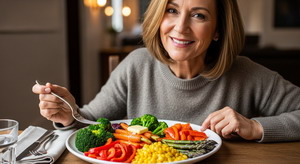
Here’s where nature’s teamwork comes in. Soluble fiber (from oats, beans, apples, carrots, and psyllium) and polyphenols (the colorful antioxidants in berries, citrus, tea, dark chocolate, herbs, and extra-virgin olive oil) dramatically change the story. Fiber slows fat absorption, physically traps LPS in the intestine, and feeds good bacteria that strengthen the gut lining. Polyphenols directly block LPS
uptake, calm inflammatory signals, and protect cells from oxidative stress. When these plant compounds travel with the fats, the negative effects of longer-chain saturated fats are often blunted or even eliminated. Studies show that adding fiber or polyphenol-rich foods to a high-fat meal can cut the post-meal LPS spike by 75% or more and keep inflammation markers low.
This brings us to one of the simplest, most delicious upgrades you can make in your kitchen.
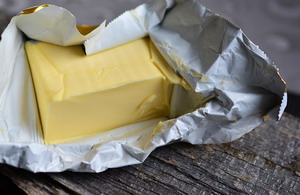
Grass-fed butter already contains beneficial short-chain and odd-chain saturated fats
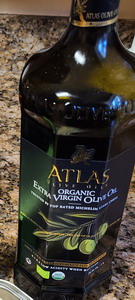
(including some C15), plus natural CLA, vitamin K2, and beta-carotene. Moroccan extra-virgin olive oil stands out because many premium varieties grown in the Atlas Mountains or arid regions naturally contain 2–3 times more polyphenols (often 300–800+ mg per kg) than typical supermarket olive oils. These potent
compounds—especially hydroxytyrosol and oleuropein—deliver exactly the protective power we’ve been talking about.
How to make it:
Gently melt 1 cup (2 sticks) of grass-fed butter until just liquid (do not overheat).
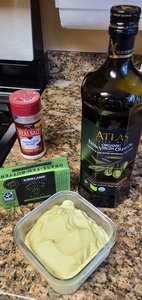
Stir in 1 cup of high-polyphenol Moroccan extra-virgin olive oil. I use a wand immersion blender.
Add a pinch of salt, especially something like my Balanced
Salt.
For a super boost you can add a teaspoon of C15 from the office.
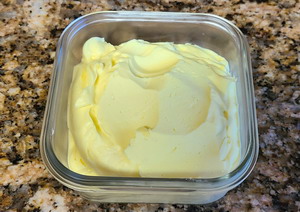
Pour into a clean glass container or silicone mold and refrigerate until firm but spreadable (about 30–60 minutes).
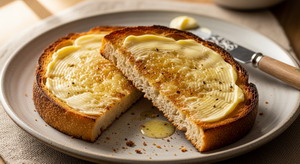
The result is a soft, flavorful spread that stays spreadable straight from the fridge. Use it on toast, vegetables, eggs, or baked potatoes—anywhere you would normally use butter. Each tablespoon now delivers a meaningful dose of polyphenols alongside the butter’s unique nutrients, while cutting the overall saturated-fat concentration roughly in half and adding heart-friendly monounsaturated fats.
I have been making this blend for a couple weeks now, and it tastes richer than plain butter yet feels lighter. Because the polyphenols travel with the fats, they help neutralize any potential LPS effects during digestion. The blend is also more stable on the shelf thanks to the olive-oil antioxidants. Here is a link to the olive oil I use.
Of course, this is not a free pass to eat unlimited fat. Total calorie balance, regular fiber intake (aim for 25–35 grams daily), and plenty of colorful vegetables still matter most. But by choosing grass-fed butter, pairing it with high-polyphenol olive oil, and keeping portions reasonable, you get to enjoy the real benefits of saturated fats without the downsides.
If you are monitoring cholesterol, blood sugar, or gut symptoms, smart swaps like this one make healthy eating sustainable and enjoyable. Here’s to feeling your best—one delicious, science-backed bite at a time.
Take care,
David
Ellen
We had Easter a few days early this year when Luca, Ellen's trainer, brought his two daughters over for a little Easter party. Ellen got to play Grandmother. We made up a couple Easter baskets for the girls full of goodies. They seemed quite pleased.
High altitudes decrease diabetes
This is actually old news. The new part is they finally figured out why. When oxygen levels are low, the red blood cells soak up the sugar in the blood stream and use it to make the blood cells release oxygen into the cells more easily. By acting as a sugar dump and lowering blood sugar levels it directly fights diabetes.
"Disassociation is a form of irresponsibility. To the degree that you block taking in information from life, you become unable to respond to that
information. Responsibility is the ability to respond effectively."
~David DeLapp
_____________________________________
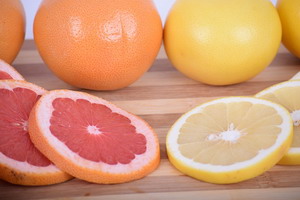
Researchers have edited the bitterness out of grapefruits
Back in the 90's the gene that is responsible for the bitterness in grapefruits was discovered. Now 30 years later they have successfully gene edited out that bitterness gene and produced viable plants that should grow up to have grapefruits without the bitterness.
"Sustainable growth flows from small changes that accumulate over long periods of time. Big transformational shifts, while feeling great, rarely last."
~David DeLapp
________________________________________
Plants that touch each other are more resilient to stress
Intense bright light is a major stressor for plants. Plants that touch each other communicate electrically with each other and are better able to fight off this stress. In stressful environments plants thrive better while in community. If there is no stress then plants do better when they can hog all the nutrients for themselves.
"We are each designed to hold a different perspective of existence. As such we can not meaningfully compare one person to another as we are all designed to be different from each other. "
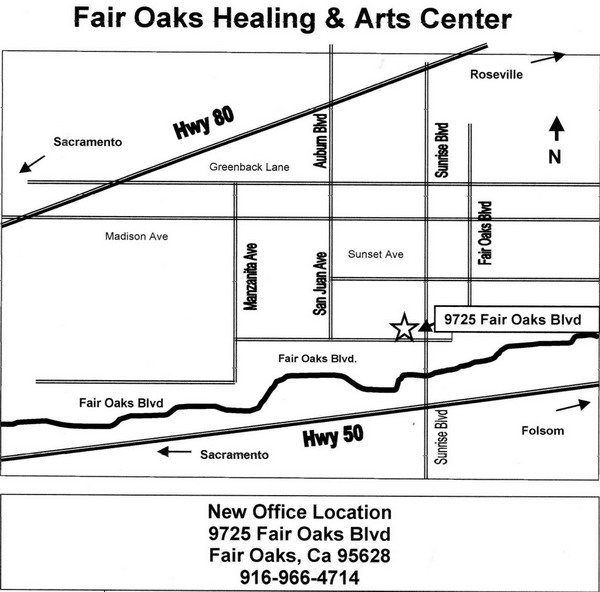
Our address is 9725 Fair Oaks Blvd. suite A Our hours are M, Tu, Th, F 10 to 3:30
Finding our location is very easy. Coming from highway 50 up Sunrise Blvd, you turn left and go up a block. We are on the right hand side - the building just past the Subway Sandwich shop. If you are coming down Sunrise from the Mall area then just turn right on Fair Oaks Blvd and up a block on the right.
If
you are coming from the Roseville area you could come down Sunrise Blvd, but that is a long trek. It is probably shorter time wise to come down Auburn Blvd - San Juan Ave like you have been for the Sunset office, but instead of turning left at Sunset, keep going straight 3 more lights to Fair Oaks Blvd and turn left. Go down 2 lights to New York Ave, go through the intersection, and immediately turn into the turn lane once the center divider ends. We are on the left.
You are free to reprint this article in your newsletter as long as you include the following statement in the same size type and color:
"This article appears courtesy of Fair Oaks Health News, offering natural and healthy solutions for body, mind and soul. For a complimentary subscription, visit http://www.fairoakshealth.com"
Referral doctor for when we are
out of town: Jennifer Webb DC
6216 Main St. suite C1 Orangevale 988-3441
Or Dr. Lily
Dr. Hongtruc Lily Nguyen, DC Carmichael Disc Center
5150 Fair Oaks Blvd, Suite 104
Carmichael, CA 95608 Phone: (916) 680-9989 Fax: (916) 680-9977