Clickhere for an easier to read version of this newsletter
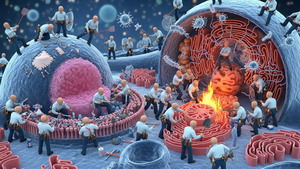
Key concept: Carnosine is a fundamental need throughout the body that decreases with age.
HI ,
As your physician, I am often asked which interventions truly make a difference when it comes to healthy aging, metabolic balance, and long-term brain health. While new therapies and technologies receive much attention, some of the most effective tools are naturally occurring molecules already built into human physiology. One of the most compelling—and still underappreciated—of these
is L-carnosine.
L-carnosine is a small dipeptide made from two amino acids, beta alanine and L histidine. It is found in high concentrations in skeletal muscle, the brain, and the heart—tissues with high energy demand and vulnerability to oxidative stress. Importantly, carnosine levels decline with age, paralleling many of the functional changes we associate with aging and chronic disease.
This newsletter will explore what carnosine does, why it matters, and how it can be used strategically for different health goals.
Why L-Carnosine Is So Unique
Unlike single pathway supplements, carnosine works at several fundamental levels of cellular health:
It protects proteins from damage
Buffers oxidative and metabolic stress
Supports mitochondrial function
Modulates inflammation
Preserves tissue elasticity and function
Because of this, carnosine is best thought of as a cellular defense and resilience molecule rather than a stimulant or symptom masking agent.
1. Anti Glycation: Protecting Proteins From Sugar Damage
One of carnosine’s most important roles is its ability to counter glycation.
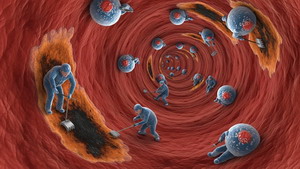
Glycation occurs when sugar molecules bind to proteins or fats, forming advanced glycation end products (AGEs). AGEs damage enzymes, stiffen tissues, impair blood
vessels, and accelerate aging. They are strongly linked to:
Insulin resistance and diabetes
Cardiovascular disease
Neurodegeneration
Kidney disease
Skin aging
Carnosine helps by binding reactive sugar derived compounds before they can damage proteins, and by assisting in the removal of already damaged proteins. This makes it
particularly valuable in individuals with high sugar exposure, metabolic syndrome, or age related tissue stiffness.
2. Antioxidant and Aldehyde Scavenging
Carnosine is not a conventional antioxidant like vitamin C, but it has a unique and complementary role. It neutralizes:
Reactive oxygen species (ROS)
Toxic byproducts of lipid peroxidation
Reactive aldehydes that damage membranes and
mitochondria
Importantly, carnosine does not suppress beneficial redox signaling at physiological doses. Instead, it selectively targets damaging excess oxidative stress—making it well suited for long term use.
3. Mitochondrial Support and Energy Resilience
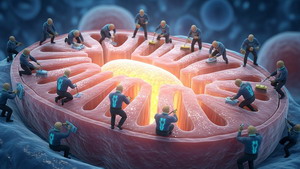
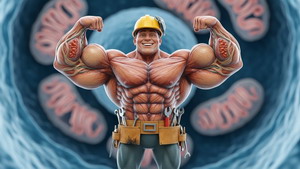
Mitochondria are both the engines of the cell and a major source of oxidative stress. Carnosine helps protect mitochondria by:
Stabilizing mitochondrial membranes
Reducing oxidative damage
Supporting efficient ATP
production
Buffering intracellular acidity during metabolic stress
This translates clinically into better energy stability, improved stress tolerance, and reduced fatigue—especially during illness, aging, or periods of metabolic challenge.
4. Brain Health and Cognitive Aging
L carnosine crosses the blood–brain barrier and exerts multiple neuroprotective effects:
Reduces excitotoxicity from excess glutamate
Chelates excess copper and zinc involved in neurodegeneration
Protects neurons from
beta amyloid related toxicity
Reduces neuroinflammation
Human studies—particularly those conducted in Japan—have shown that carnosine (often combined with its close relative anserine) can improve memory, attention, and executive function in older adults with mild cognitive impairment. These benefits appear most pronounced when carnosine is used early, before advanced neurodegeneration has occurred.
Rather than acting as a cognitive stimulant, carnosine supports the metabolic and vascular foundations of brain function.
5. Muscle Function, Exercise, and Recovery
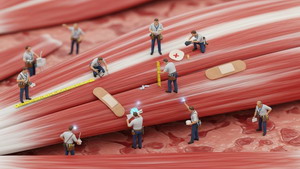
Carnosine is well known in muscle physiology for its ability to buffer acidity, delaying fatigue during intense activity. While athletes often use beta alanine to raise muscle carnosine levels, direct L carnosine supplementation provides both muscular and systemic benefits.
Clinically, this can support:
Improved exercise tolerance
Reduced post exercise soreness
Better recovery
Preservation of muscle quality with aging
6. Cardiovascular and Vascular Protection
Carnosine supports cardiovascular health through several mechanisms:
Preventing glycation of LDL cholesterol
Reducing oxidative stress in the vascular lining
Supporting nitric oxide signaling
Protecting heart tissue during
ischemic stress
These effects help preserve arterial flexibility, microvascular function, and endothelial health, which are critical for both heart and brain aging.
7. Skin, Connective Tissue, and Wound Healing
Because collagen and elastin are long lived proteins, they are especially vulnerable to glycation. Carnosine helps:
Protect collagen structure
Preserve skin elasticity
Support wound healing
Reduce visible signs of
skin aging
This explains why carnosine appears in both oral longevity protocols and topical anti aging formulations.
How to Use L Carnosine Practically
Typical Dosing
500–1,500 mg per day, divided into 1–2 doses
Can be taken with or without food
Often best used consistently over months rather than sporadically
Absorption Considerations
Humans produce an enzyme
called carnosinase, which breaks down carnosine. For this reason:
Some individuals respond better to higher or divided doses
Combining carnosine with zinc may modestly reduce breakdown
The bound form - zinc carnosine, stays primarily in the gut where it is tremendous for healing the gut lining
Safety
Generally very well
tolerated
Rare mild gastrointestinal upset at higher doses
No known serious drug interactions
Does not increase histamine reactions
Strategic Uses and Stacking
Carnosine integrates well into broader health strategies:
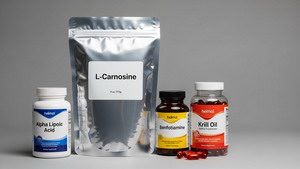
Metabolic health: Pair with benfotiamine (a fat soluble form of B1), alpha lipoic acid, for glycemic control.
Cognitive aging: Combine with magnesium, omega 3 fatty acids, and
zinc.
Mitochondrial support: Stack with CoQ10, PQQ, and NAD⁺ supporting nutrients.
Fasting and autophagy: Can be used during fasting without blunting benefits.
Exercise recovery: Combine with taurine, electrolytes, and magnesium.
Unlike many antioxidants, carnosine appears to support adaptation rather than suppress it.
The Bottom Line
L carnosine is a foundational molecule for cellular protection and resilience. Its ability to reduce glycation, protect mitochondria, support brain health, and preserve tissue function makes it uniquely valuable for:
Healthy aging.
Metabolic dysfunction.
Cognitive decline prevention.
Physical performance and
recovery.
Long term vascular and skin health.
Rather than acting as a quick fix, carnosine works quietly at the cellular level—supporting the body’s ability to repair, adapt, and maintain function over time.
For many patients, it represents a simple, well tolerated, and biologically intelligent addition to a comprehensive longevity and metabolic health
plan.
Take care,
David
Merry Christmas!
Ellen
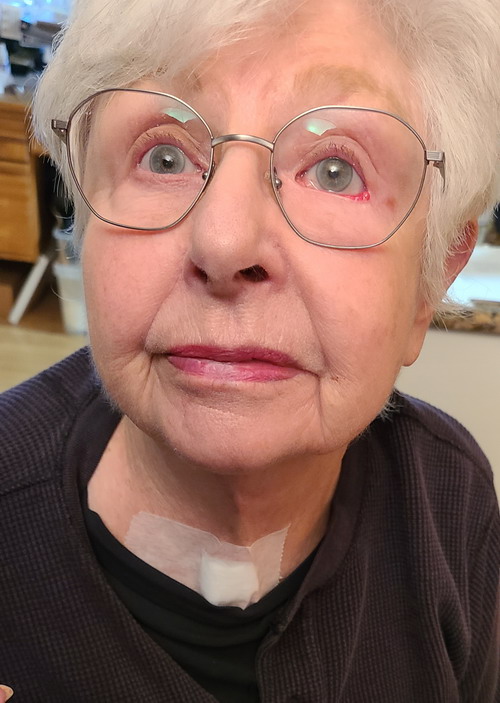
Ellen went in for a biopsy of her thyroid a week ago. Her doctor could feel nodules in it at her last exam. When she was a child she used to have chronic sore throats. At one point her doctor thought it would be a good idea to treat her throat with a series of radiation treatments - much like they do for cancer. This was back in the early 50's when radiation was still cool. It didn't solve her chronic sore throat, but
now doctors are worried about possible cancer side effects from such treatments. Fortunately we got her results back yesterday, and everything is fine.
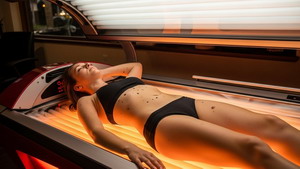
Tanning beds increase melanoma almost three fold
Advances in DNA testing of individual skin cells is demonstrating massive increases in DNA mutations in folks that use tanning beds.
"Read the room. Being right, doing right, and having the right
intentions is not enough. You must also always function with full situational awareness of what is going on around you and adapt/respond to that as well."
~David DeLapp
_____________________________________
Sleep or exercise?
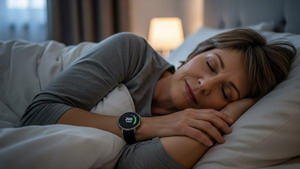
A large scale study of folks that wear step counters and use sleep sensors has discovered that the number of steps you get in during the day is heavily controlled by the amount of sleep you got the night before. Conversely, getting in more steps did not increase the amount of sleep you got.
"Judgments push us into the dependency state of victim. We make judgments of things and people around us to try to make them be a way that puts us first and gets our needs met instead of taking responsibility to meeting our own needs.."
~David DeLapp
________________________________________
Carbs and Alzheimer's
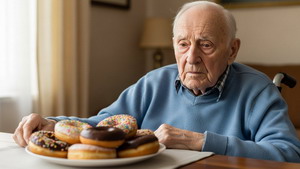
A study of 200,000 adults tracked for 13 years has shown that the likelihood of developing Alzheimer's was directly related to the quality of the carbohydrates they consumed. The higher the glycemic index of the foods (the more quickly the carbs entered the blood stream) the greater the chance the person would develop Alzheimer's.
"Peace is unavailable on this planet or in our lives until we take responsibility for everything in our lives. Failure to do so leaves us blaming others which destroys peace."
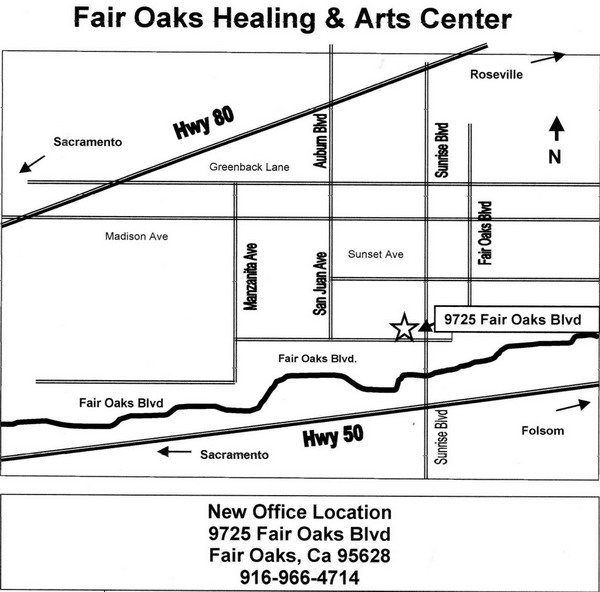
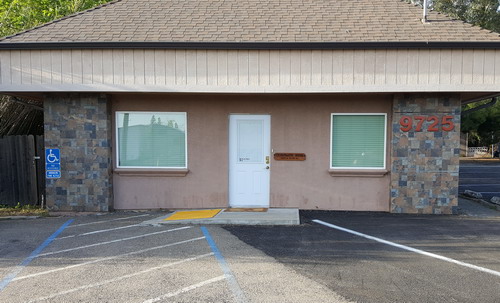
Our address is 9725 Fair Oaks Blvd. suite A Our hours are M, Tu, Th, F 10 to 3:30
Finding our location is very easy. Coming from highway 50 up Sunrise Blvd, you turn left and go up a block. We are on the right hand side - the building just past the Subway Sandwich shop. If you are coming down Sunrise from the Mall area then just turn right on Fair Oaks Blvd and up a block on the right.
If
you are coming from the Roseville area you could come down Sunrise Blvd, but that is a long trek. It is probably shorter time wise to come down Auburn Blvd - San Juan Ave like you have been for the Sunset office, but instead of turning left at Sunset, keep going straight 3 more lights to Fair Oaks Blvd and turn left. Go down 2 lights to New York Ave, go through the intersection, and immediately turn into the turn lane once the center divider ends. We are on the left.
You are free to reprint this article in your newsletter as long as you include the following statement in the same size type and color:
"This article appears courtesy of Fair Oaks Health News, offering natural and healthy solutions for body, mind and soul. For a complimentary subscription, visit http://www.fairoakshealth.com"
Referral doctor for when we are
out of town: Jennifer Webb DC
6216 Main St. suite C1 Orangevale 988-3441
Or Dr. Lily
Dr. Hongtruc Lily Nguyen, DC Carmichael Disc Center
5150 Fair Oaks Blvd, Suite 104
Carmichael, CA 95608 Phone: (916) 680-9989 Fax: (916) 680-9977