Clickhere for an easier to read version of this newsletter
Key concept: hydrogen triggers many different beneficial pathways in the
body.
HI ,
In the world of wellness, new discoveries emerge almost daily. Some are fleeting trends, while others show lasting promise. One of the more fascinating areas gaining attention in recent years is the use of molecular hydrogen (H₂) for health. While hydrogen is the most abundant element in the universe, its role in our bodies is just beginning to be understood—and it may hold some surprising
benefits for energy, recovery, and cellular resilience.
In this newsletter, I want to give you a clear, evidence-informed overview of hydrogen inhalation, how it interacts with your body’s natural systems, and practical ways you might incorporate it safely into a holistic health routine.
What Is Hydrogen Therapy?
When we talk about hydrogen for health, we are referring to molecular hydrogen (H₂)—a tiny, neutral gas molecule. It can dissolve in water and easily diffuse into cells, tissues, and even mitochondria, the energy powerhouses of our cells. Unlike other gases or supplements, hydrogen is non-toxic, non-flammable at safe concentrations, and produced naturally in small amounts in our
gut through the fermentation of fiber.
Hydrogen therapy can be delivered in several ways:
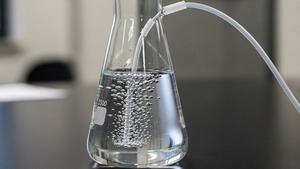
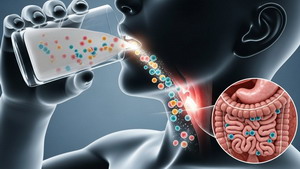
Hydrogen-rich water: water infused with dissolved H₂
Hydrogen tablets: which release H₂ when added to water
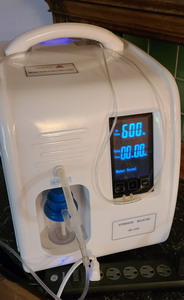
Hydrogen inhalation: breathing in a low concentration H₂
gas
Topical hydrogen applications or baths: less studied
Of these, hydrogen inhalation offers the highest and fastest delivery of H₂ to your bloodstream and tissues, making it an exciting option for both wellness and recovery.
How Hydrogen Works in the Body
At first glance, hydrogen may seem inert—after all, it’s just two atoms of hydrogen. But research shows that H₂ interacts with our body in subtle yet powerful ways, particularly by influencing oxidative stress, mitochondrial health, and cellular signaling. Let’s break this down.
1. Neutralizing Harmful Free
Radicals
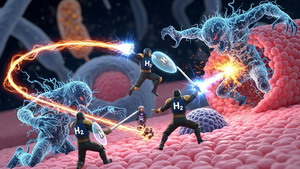
Reactive oxygen species (ROS) are naturally produced during metabolism, exercise, and stress. While moderate ROS are vital for cellular signaling and adaptation, certain species—like the hydroxyl radical (•OH)—are highly damaging. Hydrogen selectively neutralizes these toxic ROS without interfering with the beneficial ones.
Think of hydrogen as a
targeted antioxidant: it protects your cells from the worst oxidative damage while preserving the natural stress signals your body uses to adapt and grow stronger.
2. Supporting Mitochondrial Health
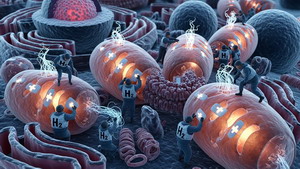
Mitochondria are the energy factories of your cells, and they are particularly vulnerable to oxidative damage. Molecular hydrogen can reach mitochondria directly, where it:
Reduces damaging ROS leaks
Stabilizes mitochondrial membranes
Supports ATP production under stress
Promotes mitochondrial quality control through mitophagy, the selective removal of damaged mitochondria
By preserving mitochondrial function, hydrogen may help maintain energy, stamina, and resilience at the cellular level.
3. Modulating Key Signaling Pathways
Hydrogen does more than neutralize radicals—it subtly influences the body’s cellular communication systems:
Nrf2 activation: enhances your body’s own antioxidant defenses
NF-κB suppression: reduces
inflammation
AMPK activation & mTOR modulation: promotes cellular repair and renewal
These pathways are the same ones triggered by healthy habits like exercise, fasting, and calorie restriction, which is why hydrogen may complement holistic lifestyle practices.
Hydrogen and Autophagy: Cellular Housekeeping
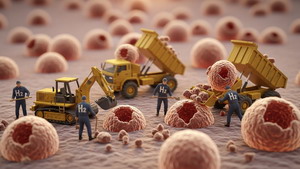
One of the most exciting areas of hydrogen research is its relationship with autophagy—the body’s natural process of clearing out damaged cells and cellular components. Autophagy is central to cellular renewal, longevity, and metabolic health.
Hydrogen may enhance autophagy through:
AMPK activation: signaling your cells to recycle damaged components
mTOR modulation: allowing repair processes to proceed efficiently
Protecting the autophagy machinery: neutralizing oxidative damage that could block cellular cleanup
Interestingly, hydrogen works harmoniously with
fasting. Fasting naturally activates autophagy and hydrogen may help reduce oxidative stress during fasting, allowing the process to continue smoothly while minimizing cellular damage.
In other words, hydrogen doesn’t replace fasting or exercise—it may amplify their benefits by protecting cells during periods of metabolic stress.
Potential Health Benefits of Hydrogen
Research is ongoing, but early human and animal studies suggest hydrogen inhalation may offer benefits in several areas:
Exercise Recovery Hydrogen may reduce fatigue, decrease muscle soreness, and help restore energy after strenuous activity by protecting mitochondria and
reducing oxidative stress.
Metabolic Health Some studies indicate hydrogen could improve insulin sensitivity, support fat metabolism, and reduce triglycerides—modest effects, but potentially meaningful over time.
Neuroprotection Animal studies suggest hydrogen may help protect brain cells from damage caused by oxidative stress, with implications for cognitive health and recovery from neurological injury.
Anti-inflammatory Support Hydrogen can modulate inflammatory pathways, which may benefit conditions
associated with chronic, low-grade inflammation.
Cellular Longevity By supporting mitochondrial function and autophagy, hydrogen may help maintain cellular vitality—a cornerstone of holistic anti-aging strategies.
Practical Tips for Safe and Effective Hydrogen Inhalation
If you are considering or already using hydrogen inhalation, here are some practical tips to maximize benefits safely:
1. Concentration and Session Length
Safe range: 1–4% H₂ in air
Typical
session: 20–60 minutes depending on your goal
Frequency: Daily or on key stress/recovery days is commonly practiced
2. Timing Matters
Post-exercise: to reduce oxidative stress and support mitochondrial recovery
During fasting: may enhance autophagy and cellular
repair
Regular daily use: for general wellness, mitochondrial support, and resilience
3. Device Safety
Use a validated, high-quality device
Avoid concentrations above 10% in air (flammability risk)
Consider occasional biomarker checks if feasible: inflammation, oxidative stress, or metabolic markers
Safety Considerations
Hydrogen therapy appears extremely safe at the concentrations used in human studies. Mild immune modulation has been observed in high-dose or prolonged sessions, so moderation is key. Avoid very high flow or extremely long sessions without professional guidance, especially if you have chronic illness, immune conditions, or respiratory issues.
Integrating Hydrogen Into a Holistic Health Plan
Hydrogen therapy works best as part of a well-rounded approach:
Exercise: hydrogen complements oxidative stress from training without interfering with beneficial adaptations
Fasting or dietary
strategies: hydrogen may support cellular repair and autophagy
Stress management and sleep: the cumulative effect of reduced oxidative stress may improve resilience
Mind-body practices: yoga, meditation, and breathing practices can synergize with hydrogen’s mitochondrial and anti-inflammatory benefits
The key is
balance. Hydrogen is not a magic bullet—it is a supportive tool that aligns with natural physiological processes and reinforces lifestyle habits that promote long-term health.
The Bottom Line
Molecular hydrogen is emerging as a gentle yet potentially powerful adjunct for supporting energy, recovery, and cellular health. Its selective antioxidant properties, mitochondrial support, and signaling effects make it uniquely suited to modern holistic health strategies, including fasting, exercise, and stress management.
While research is still growing, early evidence suggests that safe, moderate use of hydrogen inhalation can complement your health routines—helping your cells recover, renew, and thrive. When used wisely, hydrogen may be another tool to help your body function optimally in the face of everyday stress and aging.
Stay well, stay resilient, and breathe deeply—your cells will thank you.
Take care,
David
Ellen
We had our seasonal holiday party for our spiritual support circle last weekend. Our group is down to only four people currently. Never-the-less we had a great potluck dinner and played with some Archetype cards as a playful diversion.
Gut bug enzymes
Our health and ability to prevent various diseases comes frequently down to whether we have the right gut bugs producing the right enzymes to convert some of the 775 phytonutrients we get from plants into the right chemicals we need to fight disease. Future medicine may be all about seeding the gut with the right gut bugs to do the job.
"Peace is unavailable on this planet or in our lives until we take responsibility for everything in our lives. Failure to do so leaves us blaming others
which destroys peace."
~David DeLapp
_____________________________________
How to stop muscle wasting with age
A new paper on muscle wasting was released highlighting research on special type of chaperone-mediated autophagy (CMA). Things that will increase this CMA are exercise and fasting. This will allow the muscles to recycle proteins and keep the muscles strong as we age.
"Judgments push us into the dependency state of victim. We make judgments of things and people around us to try to make them be a way that puts us first and gets our needs met instead of taking responsibility to meeting our own needs."
~David DeLapp
________________________________________
Finally, a wearable glucose monitor without puncturing the skin
Researchers have been searching for a way to measure blood sugar levels without having to punch a hole in the skin for many years. Now a breakthrough at MIT is paving the way for just such a device. It will work much like the current glucose monitors, but with having a needle stuck in the skin.
Our address is 9725 Fair Oaks Blvd. suite A Our hours are M, Tu, Th, F 10 to 3:30
Finding our location is very easy. Coming from highway 50 up Sunrise Blvd, you turn left and go up a block. We are on the right hand side - the building just past the Subway Sandwich shop. If you are coming down Sunrise from the Mall area then just turn right on Fair Oaks Blvd and up a block on the right.
If
you are coming from the Roseville area you could come down Sunrise Blvd, but that is a long trek. It is probably shorter time wise to come down Auburn Blvd - San Juan Ave like you have been for the Sunset office, but instead of turning left at Sunset, keep going straight 3 more lights to Fair Oaks Blvd and turn left. Go down 2 lights to New York Ave, go through the intersection, and immediately turn into the turn lane once the center divider ends. We are on the left.
You are free to reprint this article in your newsletter as long as you include the following statement in the same size type and color:
"This article appears courtesy of Fair Oaks Health News, offering natural and healthy solutions for body, mind and soul. For a complimentary subscription, visit http://www.fairoakshealth.com"
Referral doctor for when we are
out of town: Jennifer Webb DC
6216 Main St. suite C1 Orangevale 988-3441
Or Dr. Lily
Dr. Hongtruc Lily Nguyen, DC Carmichael Disc Center
5150 Fair Oaks Blvd, Suite 104
Carmichael, CA 95608 Phone: (916) 680-9989 Fax: (916) 680-9977