| Welcome |
|
July 14, 2019
The Coke Can
Hi ,
 I know this title sounds like this is a newsletter about the dangers of drinking sugar filled beverages, but it is not. The Coke can is a demonstration of the importance of core strength in our body. Picture a can of Coke that you have just finished. Set the can on the ground and step on it. It crushes very
easily. Now take a full unopened can of Coke and set it upright on the ground and step on that. Nothing happens. A full unopened can of Coke can support 245 pounds of weight. What a huge difference! Open, the can can only support a few pounds, but sealed up it can support a lot more weight. I know this title sounds like this is a newsletter about the dangers of drinking sugar filled beverages, but it is not. The Coke can is a demonstration of the importance of core strength in our body. Picture a can of Coke that you have just finished. Set the can on the ground and step on it. It crushes very
easily. Now take a full unopened can of Coke and set it upright on the ground and step on that. Nothing happens. A full unopened can of Coke can support 245 pounds of weight. What a huge difference! Open, the can can only support a few pounds, but sealed up it can support a lot more weight.
What does this have to do with anything? This analogy describes how our core muscles are supposed to work around our middle. The sides of the can are our transverse abdominal muscles and multifidi spinal muscles. The bottom of the can would be our pelvic floor muscles and the top of the can would be our diaphragm muscles. All together these muscles form a tight 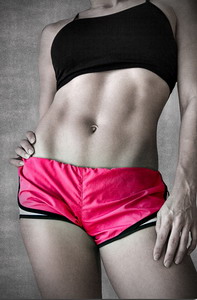 container for our soft organs and body fluids. When we need to lift something heavy, the weight would normally act like us stepping on the empty Coke can and our spine would crumple. But when the core muscles are all tight, they keep the spine supported and keep it from crumpling and crushing. container for our soft organs and body fluids. When we need to lift something heavy, the weight would normally act like us stepping on the empty Coke can and our spine would crumple. But when the core muscles are all tight, they keep the spine supported and keep it from crumpling and crushing.
This simple analogy was taught in the Core Stability plus Extremity Rehabilitation class I took last weekend. It was a good class because it expanded my understanding of the elements involved in developing a strong spine. Instead of looking at just one or two muscles for core strength, this instructor showed how there were 29 different muscles in the lumbo-pelvic-hip complex involved in forming the core of our body. This stuff is relevant to all of us, because it is
the proper working of these muscles that keeps us from injuring our backs and having low back pain.
A case example the instructor related was of a patient that delivered and installed safes for a living. He had just delivered a thousand pound safe to a home and was  doing well. He went out to pick up a traffic cone he had set out and in bending forward his back went out. To most of us this makes no sense. He lifted heavy things for a living, and had just in fact
lifted a safe without any trouble. Yet when he just bent forward to pick up a simple traffic cone, bam his back goes out. How can that happen? This story illustrates a second key point, the core muscles need to be not only strong, but fast as well. When this fellow lifts heavy things, he consciously braces his core muscles to prepare for the lift. But when he reached to grab that cone, he did not brace, and the core was not ready for the bend and lift he made.
Without that core stabilized, the back was toast. doing well. He went out to pick up a traffic cone he had set out and in bending forward his back went out. To most of us this makes no sense. He lifted heavy things for a living, and had just in fact
lifted a safe without any trouble. Yet when he just bent forward to pick up a simple traffic cone, bam his back goes out. How can that happen? This story illustrates a second key point, the core muscles need to be not only strong, but fast as well. When this fellow lifts heavy things, he consciously braces his core muscles to prepare for the lift. But when he reached to grab that cone, he did not brace, and the core was not ready for the bend and lift he made.
Without that core stabilized, the back was toast.
I hear this from patients all the time. They say they did nothing to cause their back to go out, meaning nothing out of the ordinary. The message here is that even ordinary activities can blow out your back if you catch your core muscles when they are not ready to support you. This quick response to lifting stress on the muscles is handled by the part of your nervous system called the proprioceptive system nerves. These nerves are tiny and have no protective
sheaths like the movement nerves  have. They grow and function when we do a lot of things that require balance and adaptation to unexpected movements. When we don’t do these types of things for a while, these nerves go away. They require regular stimulation to stay alive. This is why when you have not done something for a while, like a seasonal sport, and you start up
again you are much more likely to have an injury. You have to build back up those balance and coordination nerves. have. They grow and function when we do a lot of things that require balance and adaptation to unexpected movements. When we don’t do these types of things for a while, these nerves go away. They require regular stimulation to stay alive. This is why when you have not done something for a while, like a seasonal sport, and you start up
again you are much more likely to have an injury. You have to build back up those balance and coordination nerves.
The big message from the class was about how all the sitting we are doing these days is really messing us up. We lose tone in the core muscles and lose function in the proprioceptive nerves that trigger the core to function when we need it. As we sit the big muscles from the low back that go through the body to the front of the upper thigh shorten. Any muscle left in a contracted position for hours will stiffen up in the contracted position. When we go to get up,
that muscle has to lengthen to function to lift our legs so we can walk. But after we have been sitting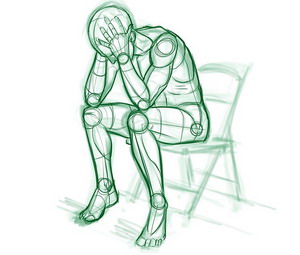 for a while and then get up, initially it will yank the low back forward jamming the low back joints. If we have a strong and quickly reacting core, it will prevent this jamming by pushing backward on the spine. So core muscle training needs to be a regular part of
everyone’s daily lifestyle regime. The simplest start is to simply tighten up our core, like we are trying to look like we have tight abs. For 30 seconds several times every hour no matter what we are doing tighten up your abs. This trains the core to be able to tighten quickly in lots of different positions and situations. for a while and then get up, initially it will yank the low back forward jamming the low back joints. If we have a strong and quickly reacting core, it will prevent this jamming by pushing backward on the spine. So core muscle training needs to be a regular part of
everyone’s daily lifestyle regime. The simplest start is to simply tighten up our core, like we are trying to look like we have tight abs. For 30 seconds several times every hour no matter what we are doing tighten up your abs. This trains the core to be able to tighten quickly in lots of different positions and situations.
The class also focused on lots of different stability training exercises as well as stretches. One that I was particularly happy to see was a simple stretch for the tight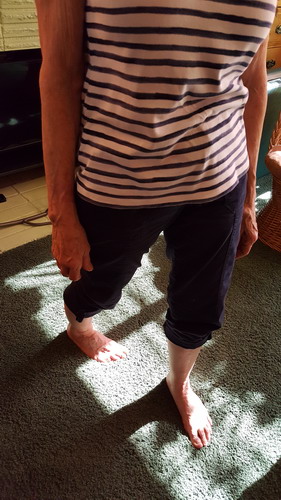 psoas muscle problem so many of my patients have from sitting at work or home. On the side you want to stretch step back half a step and turn the foot inward 45 degrees – so it points at the opposite heel.
From this position rock your pelvis under like you are tucking your tail under you. If done correctly you should feel the stretch of the psoas in the groin on the side that is stepped back. To get more of a stretch start out with the tight leg further back. psoas muscle problem so many of my patients have from sitting at work or home. On the side you want to stretch step back half a step and turn the foot inward 45 degrees – so it points at the opposite heel.
From this position rock your pelvis under like you are tucking your tail under you. If done correctly you should feel the stretch of the psoas in the groin on the side that is stepped back. To get more of a stretch start out with the tight leg further back.
One important point the instructor made was that a well done stretch only lasts for an hour. So if you are doing stretches to help correct a chronic tight muscle problem, you must stretch it more than one time per hour. If you wait an hour or more, you do not make any progress on getting that muscle to stay stretched out. This explains to me why stretching programs seem to do so little good. Stretching a few times a week or even every morning might feel good when
you do it, but it makes no lasting change. Because of this the instructor emphasized that corrective stretches need to be simple and easy to do 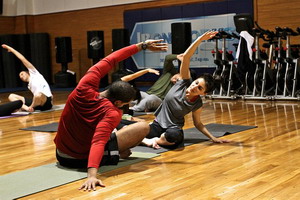 anytime. There are lots of great stretches you can do in the gym, but how many of them can you do every 20 minutes while at work? The basic message was that you can not do too many stretches, but you can do them too hard. So keep it
gentle, frequent, and do them for 30 seconds. anytime. There are lots of great stretches you can do in the gym, but how many of them can you do every 20 minutes while at work? The basic message was that you can not do too many stretches, but you can do them too hard. So keep it
gentle, frequent, and do them for 30 seconds.
The class went into shoulder issues and foot/knee issues as well, but the message for today is about just how frequently we need to do both muscle training for weak stabilizer muscles as well as stretching for the tight inflamed muscles. We also covered postural assessments and specific rehab protocols, but those are things for me to watch for in the office.
We have gotten ourselves into a pickle with our very abnormal lifestyles in this modern age. Our bodies have not been able to adapt to the unnatural demands being placed on them. We don’t see these concerns as stressors to the body, because they do not create  immediate discomfort. In fact we think of sitting down as a way to improve our comfort. But unfortunately
these appearances are deceiving. Sitting more than about 30 to 40 minutes stresses the body. We are designed to move. Lack of movement scrambles our system on so many levels – from joint function to brain function to immune function to hormones to even our gut microbiome. Much of the ill health we encounter these days is linked directly to a poor quality diet and movement patterns. There are no drugs to fix these problems, only lifestyle changes. So
upgrading your health comes down to you changing your life. immediate discomfort. In fact we think of sitting down as a way to improve our comfort. But unfortunately
these appearances are deceiving. Sitting more than about 30 to 40 minutes stresses the body. We are designed to move. Lack of movement scrambles our system on so many levels – from joint function to brain function to immune function to hormones to even our gut microbiome. Much of the ill health we encounter these days is linked directly to a poor quality diet and movement patterns. There are no drugs to fix these problems, only lifestyle changes. So
upgrading your health comes down to you changing your life.
Take care,
David
Ellen update:
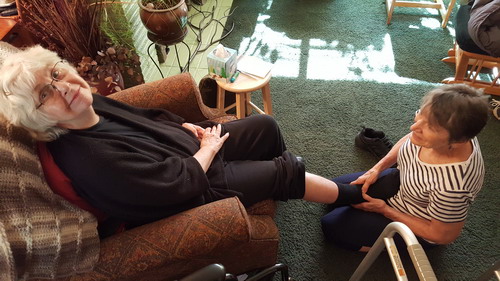
Ellen has many loving care givers helping her. Susan McDonald, the massage therapist at the office, comes over to the house weekly to work on Ellen's legs and balance. I do a bunch of exercises every morning with her. She has a trainer, Toni once or twice a week, plus her niece at least once a week, and even one of her clients comes over to get her up and exercise her to keep her
mobile. Stroke patients are just like the rest of us - needing lots of exercise. Just sitting around is simply slow death.
|
| |
| |
| |
Exercise improves brain function Even though exercise may have little effect on weight loss, this new study shows it has a big impact on brain function. Exercise improves blood flow to various areas of the brain and normalized brain metabolism. This improved both mood and cognition after only 8 weeks of either cycling or walking, the exercise used in this study.
Exercise
_____________________________________________
"We create our own unhappiness. The purpose of suffering is to help us understand we are the ones who cause it."
~ Willie Nelson
__________________________________
Intermittent Fasting for Type 2 Diabetes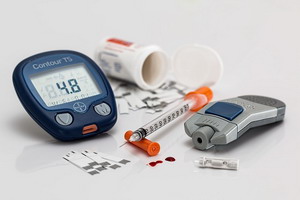 A recent study on mice has shown that intermittent fasting every other day protected them from developing diabetes compared to their control group. Specifically it prevented the development of fat accumulation in the pancreas, which is now thought to be a prime cause of diabetes.
Diabetes
________________________
"If you really want to get along with somebody, let them be themselves."
~ Willie Nelson
_________________________________________________
Light therapy for mouth ulcers A common side effect of the treatment of cancer in the neck and head is oral mucositis - inflammation and ulceration of the inside of your mouth. New protocols for treatment find that red light therapy works the best for these painful ulcers.
Red Light
_________________________________________
"Freedom is control in your own life. I have more control now than in the past, and I'm learning the value of saying no. That's very important."
~ Willie Nelson
_____________________________
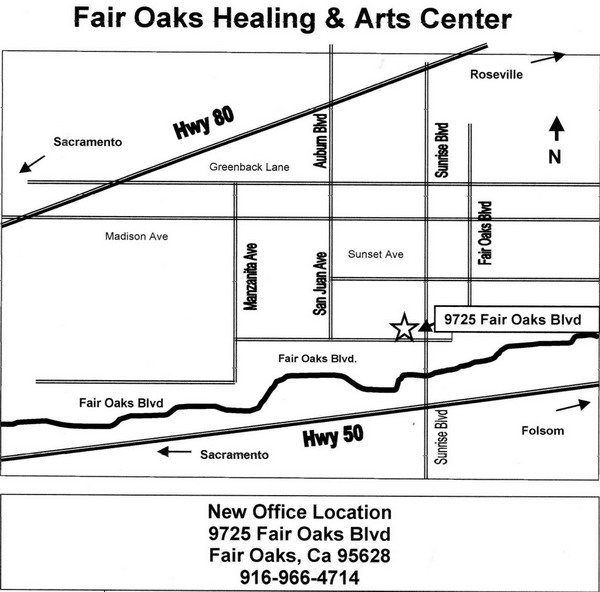
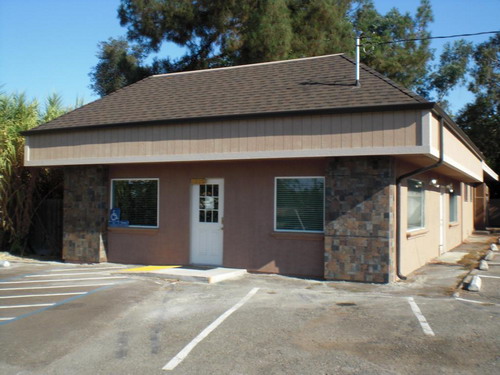
Our address is 9725 Fair Oaks Blvd. suite A
Our hours are M - F 10 to 3:30
Finding the new location is very easy. Coming from highway 50 up Sunrise Blvd, you turn left and go up a block. We are on the right hand side - the building just past the Subway Sandwich shop. If you are coming down Sunrise from the Mall area then just turn right on Fair Oaks Blvd and up a block on the right.
If you are coming from the Roseville area you could come down Sunrise Blvd, but that is a long trek. It is probably shorter time wise to come down Auburn Blvd - San Juan Ave like you have been for the Sunset office, but instead of turning left at Sunset, keep going straight 3 more lights to Fair Oaks Blvd and turn left. Go down 2 lights to New York Ave, go through the intersection, and immediately turn into the turn lane once the center
divider ends. We are on the left.
You are free to reprint this article in your newsletter as long as you include the following statement in the same size type and color:
"This article appears courtesy of Fair Oaks Health News, offering natural and healthy solutions for body, mind and soul. For a complimentary subscription,
visit http://www.fairoakshealth.com"
Referral doctor for when we are out of town: Jennifer Webb DC
6216 Main St. suite C1
Orangevale
988-3441
|
| |
|
|
|
_______________
to check on old newsletters
_______________
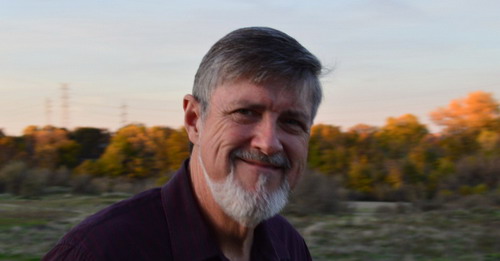
About Dr. DeLapp
|
Dr. DeLapp has been a philosopher, non-force Chiropractor, medical intuitive, and health innovator for over 35 years. He began experimenting with medical intuition in 1972 while studying physics at UC Davis. In addition to physics he designed and completed an individual major in the philosophy and psychology of education. Shortly after he choose to pursue a career in the only
truly health oriented profession available at that time, Chiropractic. He graduated with honors in 1981 with his doctorate and opened a private practice.
Since that time he has continued his research into the effects of consciousness and learning on health.
He developed the Biomagnetic Retraining system for correcting movement abnormalities.
Since 1991 he has focused on developing a powerful system for uncovering and assisting the mind-body connection in health and personal growth. The in-depth coaching, guided by the subconscious direction from the body, is called Heartflow. It is available at Fair Oaks Health.
Fair Oaks Healing
& Arts Center
Staff
 Dr David DeLapp DC
Chiropractor
Ellen Flowers FGM
Spiritual Life CoachEnergetic Nutritionist
Health Care Coordinator
Susan Richardson
Office Manager
Front Desk
Sherry Herrera
Front Desk Person
Susan McDonald
Catherine Cummings
New Products
Purity Oil Spray
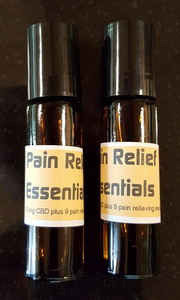
Pain Relief
Essentials
CBDs plus 9 essential oils

Ear Drops
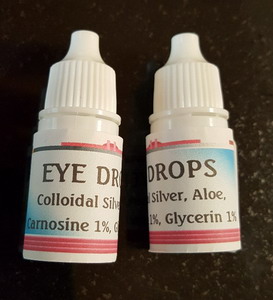
Eye Drops

Super Concentrated
Fish oil
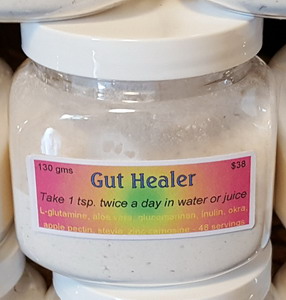
Gut Healer
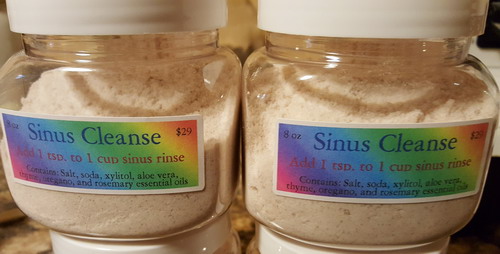
Sinus Rinse
Powder

Balanced Salt
|
|