|
Dr. DeLapp will be out of the office Friday November 14th at a seminar on brain chemistry.
Nov. 9, 2014
Yogurt
Hi ,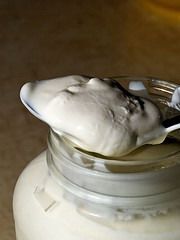
Do you love yogurt? I do. And I have been missing it for the last five years since I stopped eating dairy and grains. It is a shame to loose this valuable health food because of the simple problem of it being made from animal milk. Our body really benefits from consuming fermented foods every day. Some cultures serve a fermented food at every meal.
I have been trying to get fermented vegetables into my diet, but my taste buds just don't long for sour vegetables. I make sauerkraut and kimchi, but I rarely finish the batch because I loose interest after the first few servings. I eat it because I know it is good for me, not because I like it. There are times it is wonderful, like a pile of sauerkraut on a hot dog slathered in mustard. I did try that a few months ago during a brief couple months when I was eating carbs. I bought some gluten free hot dog buns and some uncured healthy hot dogs. The mustard and kraut was wonderful on top of those items.
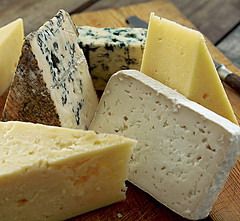
The truth be told, I was raised on cheese and dairy, and I still love it even though I no longer eat it. I am working on reversing the epigenetic shifts in my system that made my favorite foods poison to me.
In the western diet, cheese and yogurt are the number one fermented food in our diets. Folks that are into making their own craft beers of the "sour" variety might argue that they get their healthy bacteria from their brew of choice, but commercial beers are pasteurized, which kills all the healthy bacteria we want from a fermented product. So in this country, about the only lactic acid bacteria fermented foods we consume are dairy based.
If you have no issues with dairy, the world of yogurt, kefir, and natural unpasteurized cheese is available to you to keep a generous supply of health- promoting good bacteria moving into your gut. More and more research is demonstrating just how essential a healthy abundance of good bacteria in the gut is to keeping our health.
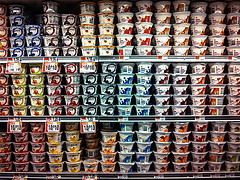
Since I was missing yogurt a couple weeks ago, I decided to try a few of the non-dairy yogurt alternatives that are available in the market. I was trying the plain varieties, as I did not want the added sugar, and I have to say they were all a big disappointment. I imagine the high sugar flavors probably tasted better, but that would defeat my purpose of finding a healthy yogurt.
That experience puts me into my ongoing story "If you want something done right (meaning the way you want), you have to do it yourself." So naturally I have been experimenting with coming up with my own non-dairy yogurt recipe. Making cow or goat milk yogurt at home is super simple. Making a non-dairy yogurt is a little more challenging. Regular milk has enough protein in it to solidify (curdle) when the bacteria act on it. This is essential to the yogurt making process. Alternative milks like almond, coconut, hemp, etc... do not have enough protein. Soy milk may have enough, but I avoid it for other health reasons. I do not need the plant estrogens messing with my hormones.
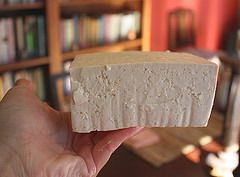
My first experiment was to use something with plenty of protein, like tofu, but in a form where the estrogen issue was not a problem. I created a milk from a tofu that was made from sprouted soybeans. Between the sprouting and the fermenting I was doing, most of the concerns would be eliminated. I got this clever idea of putting the mason jars of yogurt culture on top of my gas water heater so that it could stay warm and ferment. This made a nice solid yogurt. But unfortunately it tasted like what it was - sour tofu. Ellen liked it, but tofu is not a taste I enjoy.
I tried making a yogurt out of commercial almond milk, but there is so little actual almond in the commercial stuff that the yogurt portion was a little half inch thick puddle floating on five inches of water in the mason jar after it fermented/curdled.
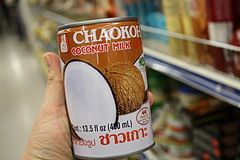
Next I made up a batch of yogurt with coconut milk and used coconut flour as a thickener. This worked pretty well except that the coconut flour made the yogurt feel like coconut flour paste - not creamy and light at all. So I thought I just needed a softer thickener. I repeated my experiment using flax flour, since flax produces a creamy/slimy texture when wet. I am not sure what happened with this batch, but it vomited itself out of the jar and all over the hot water heater. I needed a better place to keep the yogurt mix warm.
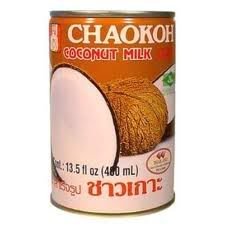
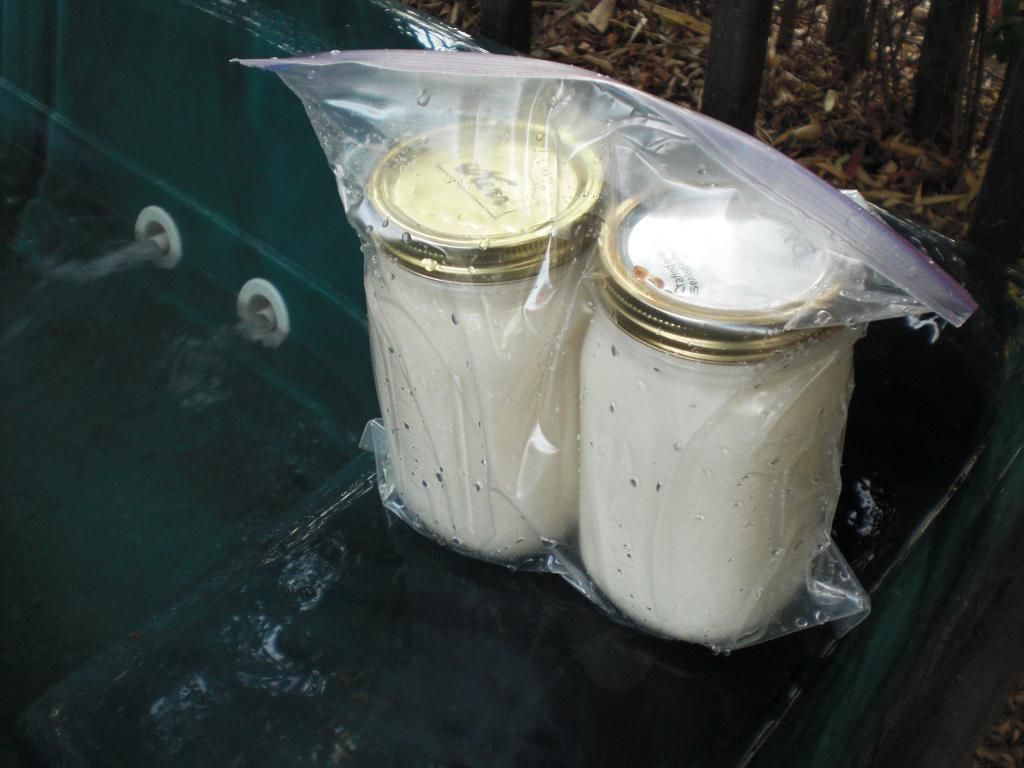
I liked the flavor of the coconut milk yogurt, and the texture might be ok if I used something other than coconut flour. Commercial yogurts often use gelatin, so I decided to give it a try. I mixed up the canned coconut milk with a half can of water and a couple tablespoons of existing yogurt for a starter. I then added two teaspoons of gelatin mixed in a half cup of cold water, which I had then put into the microwave to heat to dissolve the gelatin. I still needed a better place to keep the mixture warm while it fermented. The only other warm spot around my place was the hot tub. So I filled a mason jar with the mixture, put the jar inside a zip lock bag and then put it in the hot tub. The sealed bag floated perfectly in an upright position in the warm water. The next day - success! The yogurt was delicious, smooth, and creamy.
I am now trying to make almond milk thick enough to make a good thick yogurt. My first try used a cup of almond flour to three cups of water and a cup of coconut milk blended in the Vitamix on high for a few minutes to make it into milk. All along I have been using two teaspoons of maple syrup to feed the bacteria. Again I used the gelatin as a thickener. This batch turned out well with just a little separation of water on the bottom, except the almond flour produced a chalky texture upon swallowing the yogurt. It also was not as thick as I would like.
Today I am doubling up the amount of almond flour and running the mixture through a nut milk bag to get rid of the almond flour "grit." Since I had to squeeze the nut milk bag with my hands, I had to sterilize the nut milk by bringing it almost to a boil. Currently I am waiting for the nut milk to cool down to 105 to 110 degrees to add the culture in the form of some of the yogurt from the last batch. If the mix is too warm, it will kill the culture and the yogurt will grow other unwanted bacteria. This is not necessarily a bad thing, as we humans have been doing wild fermenting for thousands of years. But I would not get the particular bacteria I want and the taste I want.
The adventure goes on. I did do a fair amount of research on the web to see how other people make nut milk yogurts, and the successful ones usually use tapioca starch, corn starch, or other thickeners. This compensates for the lack of the right proteins in the nuts that will curdle properly to make a good yogurt. I do not want all that starch in my yogurt, hence all the experimenting I am doing.
Three days later - here is my most current recipe:
Put 1 cup of almond flour in the blender with 3 cups of water and blend on high for 5 minutes. Then add ¼ cup flax meal and 1 tablespoon of honey or maple syrup and blend a couple more seconds.
Put 1 cup water and 1 Tbs. Gelatin in a large pan on the stove. Mix the gelatin into the water then turn on the heat to dissolve the gelatin while your blender is finishing the almond/water blending.
Add the almond flour/water/flax mix to the hot gelatin on the stove and cook until it comes to a slow boil.
Turn off heat and add 1 can of coconut milk. Let the pot cool until it comes down to 105 degrees. A thermometer to check the temperature is good - it should be hot tub temperature. If you are too hot you will kill the active cultures.
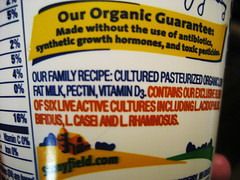
Add ½ cup of an existing yogurt that has live cultures in it and mix it into the warm mixture. It should state there are active cultures on the side of the container.
Once this batch runs low be sure to save a half-cup to start the next batch.
Pour the mixture into two clean mason jars and close up the jars. Place them in a warm area to ferment for 8 to 12 hours. The longer it ferments the more sour it will become. The warm area should be around 100 to 110 degrees. Any hotter and the cultures will die; too cool and it will not ferment.
After your ferment time place the jars in your fridge to get cold. While still warm the yogurt will be soupy (and is still quite tasty), but in the fridge it will firm up nicely.
I find the final product beats the store product hands down.
Enjoy,
David
Ultrasound Physical Therapy
Now available in the office
Tuesday afternoons and Fridays
|