| Welcome |
|
Sept. 21, 2014
The Perfect Diet
part 1
Hi ,
Common beliefs and stories are vital to creating group cohesion. It produces the "ease of sameness" that we seek by belonging. Difference is challenging to us. It makes us afraid. We want ease. Home is supposed to be where we feel comfortable and at ease because we know what to expect. We know the agreements, the rules, and the beliefs that tell us how to act and what to do in order to continue to belong to the group.

Notice that nowhere in the process of agreement, sameness, or belief is there any requirement for actual reality-based truth. The stories of Santa Claus and the Easter Bunny are perfect examples of the stories we share that help create a feeling of belonging to others that share these same stories. The world of nutrition works exactly the same way. It is full of myths and stories that are no more real than the Easter Bunny, but which people are just as attached to.
Unfortunately, believing false stories and myths about nutrition will directly affect your health, while believing in the Easter Bunny probably won't. Let's look at what we do know about eating and food on a solid reality level.

Nutrition is really the study of what foods we, as humans, need to survive and thrive. This is not the same as studying the medicinal properties of plants and herbs for treating illness. Nutrition is about what we need to eat to make a healthy body stay healthy. Nutrition begins as a study of deficiency diseases; what foods do we have to consume in order to not get sick.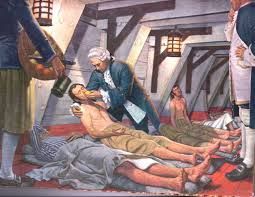
This science probably started back in the days of the long voyages of sailing vessels. The diet of the sailors on these voyages was very limited. Many died because they did not get essential nutrients vital to stay alive. The most famous of which was scurvy - the disease caused by lack of vitamin C. It was noticed that sailors that carried barrels of limes and ate them during their journeys did not get the dreaded scurvy, like other sailors. Trying to figure out why was the beginning of modern nutritional science.
Many other diseases of poor nutrition were studied - rickets, pellagra, beriberi, and so on. Decades of study revealed the existence of vital food substances necessary for health - hence the term vitamins. Other research focused on minerals. This detailed type of research continues today. There is a virtual explosion of new research into antioxidant plant compounds that offer protective and other effects to the body. Every couple of months another new miracle plant compound is discovered that is found to be vital or helpful to the body.
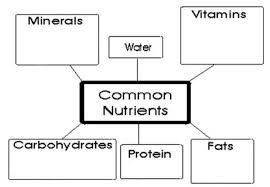
Along the same lines, researchers have studied the macronutrients that we eat often: proteins, carbohydrates, sugars, fats, and fibers. Starvation is a very real concern to large numbers of people on this planet. Finding exactly what is needed to prevent starvation is an important issue. Research has uncovered essential amino acids from proteins and essential fatty acids from fats and oils that we must have regularly to stay alive. Certain fibers are essential for our bowels to work properly.
Interestingly, there are no essential sugars or carbohydrates for humans to eat. Humans can thrive quite well without any carbohydrates in their diet at all. Carbohydrates are used by the body to form energy molecules. But the body can also form these from fats and proteins. In fact, energy formed by carbohydrates produces more toxic waste for the body to deal with than the same amount of energy formed by fats, so the body actually prefers to use fats for energy. That is why the body uses fats to store energy for later in the body and not carbohydrates. The body will store a few hours worth of glycogen made from carbohydrates for energy, but can store months worth of energy as extra fat.
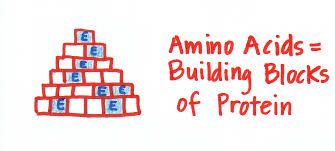
Essential amino acids from proteins are the building blocks of the body. These were discovered by looking at the diets of various people with the protein deficiency disease kwashiorkor. All proteins are not the same. Different proteins have different amino acids. If all you eat is a protein source that is missing one or two of the essential amino acids, none of the protein can be used by the body. This is the difficulty of living a vegan lifestyle. Most vegetable sources of protein are deficient in one or more of the essential amino acids. It is a complex science learning how to mix different vegetable proteins in your diet to get all the essential amino acids each day.
Fats are used by the body for energy to make cell walls, brain tissue, and to form hormones and neurotransmitters. Saturated and monounsaturated fats are mainly used for energy and make the best overall energy source for the human body. The belief from the last century that saturated fats are bad for you and cause heart disease has been completely disproved. But the saturated fat myth is one of those beliefs that has a lot of followers in the medical community. It is a favorite boogieman in their worldview.
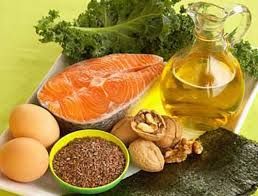
The essential fatty acids are the omega 6 and omega 3 oils used to make hormones and neurotransmitters. Generally the omega 3 oils are used to make anti-inflammatory hormones, while the omega 6 oils form the inflammatory cytokines. We need an even balance of both to be healthy so we need an even balance of both in our diet. Unfortunately the average American diet has about 10 to 20 times as much omega 6 oil in it as omega 3 oils. No wonder we all feel so inflamed.
Fibers fall into two categories - soluble and insoluble. The soluble ones absorb water and are broken down by good gut bacteria and turned into valuable nutrients that feed our gut cells. The insoluble fiber acts like a broom to push the waste out of our system.
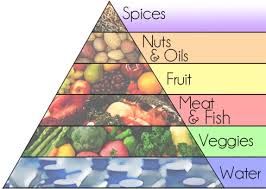
This covers the basic information we need to figure out a healthy diet. We need building blocks, vital cofactors, energy, bulk and water. Building blocks are the proper proteins, essential oils, and minerals. The vital cofactors are the vitamins and phytonutrients like antioxidants. The energy has to come from either fats or carbohydrates. The bulk comes from a mix of plant and/or animal fibers. Finally, our water needs to come from pure, uncontaminated sources.
So how much of each of these do we need to be healthy? Tons of science has given us these answers.
Protein: 50 to 70 grams of high quality protein per day minimum and 150 to 200 grams maximum. So for a pure protein like whey or egg white powder, only 2 ounces a day is necessary to meet your protein requirements. Remember, plant sources are a low quality protein, so you'll need to eat a variety of plants in greater quantities to reach your desired protein level for the day.
Essential fatty acids: 1 teaspoon per day - not very much.
Vital cofactors: see the RDA of the many vitamins and minerals on any general vitamin supplement.
Energy from fat or carbs: 1500 to 2000 calories per day which equals 166 to 222 grams of fat or 375 to 500 grams of carbs. Much of the world's population survives on much less.
Fiber: 10 to 30 grams per day
Water: 2 to 8 cups per day.
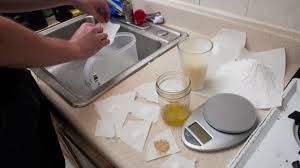
OK, so this is our basic information for designing the perfect diet. These are the minimum requirements for survival. There is currently a fad for creating absolute minimalist complete food replacement drinks using this information. They are called soylent, after the famed food source in the movie Soylent Green back in 1973. Check it out at: http://diy.soylent.me/recipes.
The human body in general is highly adaptable and able to get these basic nutritional needs met from an amazing array of foods and regional diets. Individual human bodies may not be as adaptable. Individual genetic differences greatly influence what foods you individually may need to eat to get the nutrition you need. Individual differences  can make certain foods that are healthy for one person to be outright toxic to another. I find that about a quarter of the patients I have seen do well on a carbohydrate-based diet for energy. The majority do not do well and end up with blood sugar problems when they follow the carb rich Standard American diet. These people need to get their energy from fats as well as carbs. Lastly, about a quarter of my patients cannot tolerate carbs at all and need to avoid them as an energy source. can make certain foods that are healthy for one person to be outright toxic to another. I find that about a quarter of the patients I have seen do well on a carbohydrate-based diet for energy. The majority do not do well and end up with blood sugar problems when they follow the carb rich Standard American diet. These people need to get their energy from fats as well as carbs. Lastly, about a quarter of my patients cannot tolerate carbs at all and need to avoid them as an energy source.
More next time,
David
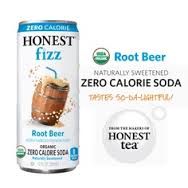
As a special treat I will have a case of a new soda brand in the office called Honest Fizz. I was attracted to it because it is sweetened with the same ingredients as I use in making my Double Sugar - erythritol and stevia. My favorite soda is Root Beer and this is an organic variety. So give it a try at only $1.50 a 12 oz can, or buy on Amazon here.
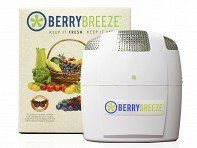
I am always on the lookout for cool new gadgets that are actually useful for us all. Here is one that is brilliant - a battery operated ozone generator for inside your fridge that greatly increases the lifespan of your fruits and vegetables. It will double or even triple the lifespan of your produce by killing off the molds and other nasty critters that rot your produce. If your fridge is anything like mine, you will be saving the cost of the Berry Breeze unit within a few weeks. Check it out!
Berry Breeze
Ultrasound Physical Therapy
Now available in the office
Tuesday afternoons and Fridays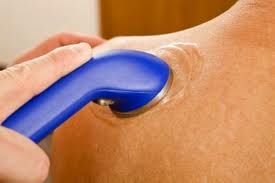
|
H
|
On the Wire
|
"Tickling" your ear helps your heart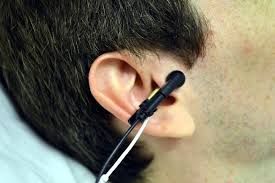
- Researchers have found that stimulating the front of your ear directly affects your heart. By using a TENS unit on patients ears they could stimulate the vagus nerve which relaxes the heart and makes it more responsive to the needs of the body. The effect lasts some time even after the TENS has been turned off. They believe this may become a standard treatment for patients with heart failure.
Ear Heart link
_____________________________________________
"The easiest diet is, you know, eat vegetables, eat fresh food. Just a really sensible healthy diet like you read about all the time."
- Drew Carey
__________________________________
Hereditary trauma - fear passed down from mother to child.
New research is finding that mothers can pass fears on to their children through the sense of smell. Smell directly signals the emotion centers of the brain. When the mother reacts to an event with fear, her scent of fear tells the child to also be afraid of the event. Trauma also affects the genetics of the person in the micro RNA's and the epigenome. These changes can be transferred to a baby at conception even several generations down the road.
"In general, mankind, since the improvement of cookery, eats twice as much as nature requires."
- Benjamin Franklin
_______________________________
Pups Poop Along North-South Magnetic Lines
Crows are more capable of learning than human 6-year-olds 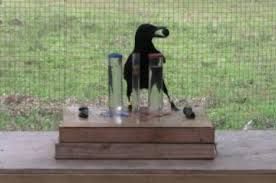
In a series of cleverly designed experiments of logical reasoning involving physical objects it has been shown that crows are better at reasoning out a problem than your average 6 year old. We like to think that humans are the only species that thinks logically and reasons things out, but it is not true. Many animals are quite clever and we just are not as special as we want to think.
"It's one thing to lose weight, but it's another thing to eat healthy."
- Jennifer Hudson
________________________________________________
Our address is 9725 Fair Oaks Blvd.
Finding
the new location is very easy. Coming from highway 50 up Sunrise Blvd,
you turn left and go up a block. We are on the right hand side - the
building just past the Subway Sandwich shop. If you are coming down
Sunrise from the Mall area then just turn right on Fair Oaks Blvd and up
a block on the right.
If you are coming from the Roseville area you could come down Sunrise Blvd, but that is a long trek. It is probably shorter time wise to come down Auburn Blvd - San Juan Ave like you have been for the Sunset
office, but instead of turning left at Sunset, keep going straight 3
more lights to Fair Oaks Blvd and turn left. Go down 2 lights to New York Ave, go through the intersection, and immediately turn into the turn lane once the center divider ends. We are on the left.
You
are free to reprint this article in your newsletter as long as you
include the following statement in the same size type and color:
"This article appears courtesy of Fair Oaks Health News, offering natural and healthy solutions for body, mind and soul. For a complimentary subscription,
visit http://www.fairoakshealth.com"
|
| |
|
_______________
to check on old newsletters
_______________
About Dr. DeLapp
|
|
Dr. DeLapp has been a philosopher, non-force Chiropractor, medical intuitive, and health innovator for over 30 years. He began experimenting with medical intuition in 1972 while studying physics at UC Davis. In addition to physics he designed and completed an individual major in the philosophy and psychology of education. Shortly after he choose to pursue a career in the only truly health oriented profession available at that time, Chiropractic. He graduated with honors in 1981 with his doctorate and opened a private practice.
Since that time he has continued his research into the effects of consciousness and learning on health.
He developed the Biomagnetic Retraining system for correcting movement abnormalities.
Since 1991 he has focused on developing a powerful system for uncovering and assisting the mind-body connection in health and personal growth. The in-depth coaching, guided by the subconscious direction from the body, is called Heartflow and the simpler mind-body retraining for health and unfoldment he has named Gracework. Both are available at Fair Oaks Health.
Fair Oaks Healing
& Arts Center
Staff
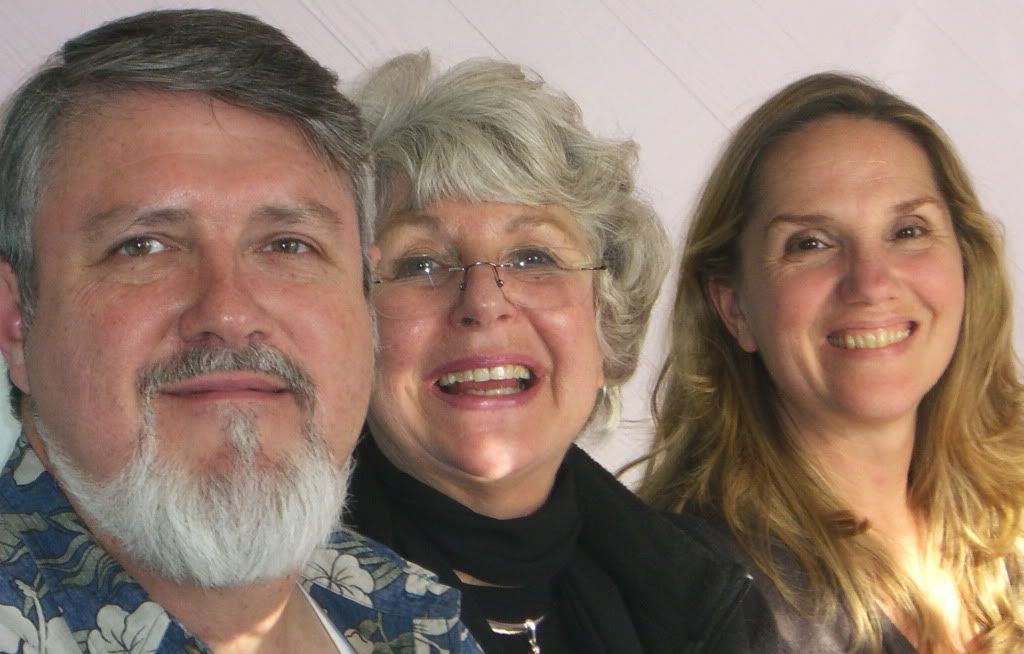
Dr David DeLapp DC
Chiropractor
Ellen Flowers FGM
Spiritual Life CoachEnergetic Nutritionist
Health Care Coordinator
Susan Richardson
Office Manager
Front Desk
Sherry Herrera
Front Desk Person
Hyla Carney
Physical Therapy
Susan McDonald
Catherine Cummings
Is there a sweet that is not poisonous? Yes!
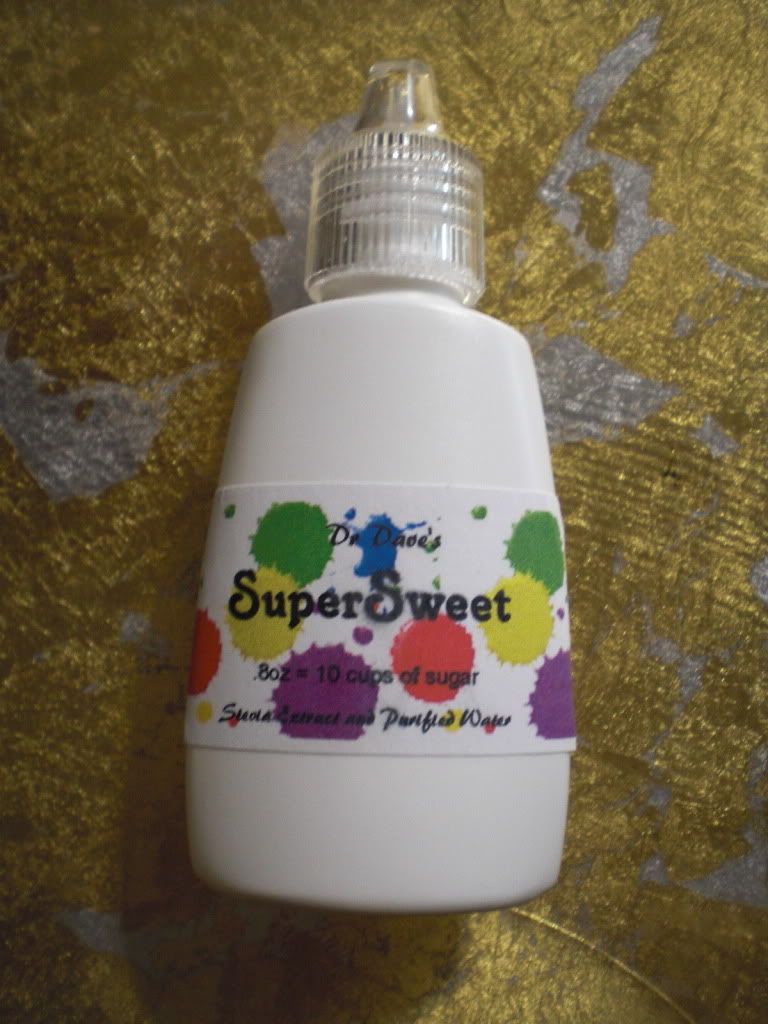 Dr Dave Supersweet Drops and 2X Sugar Substitute
New Products
Coconut Milk
| |