| Welcome |
|
August 24, 2014
Super Slow
Hi ,
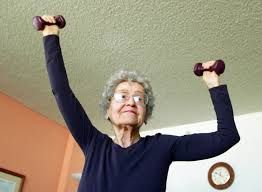
About 20% of the population actually enjoy physical exercise and all the sweat that goes with it. You probably know some people like that. They have lots of sports equipment in their garage and are always off doing something adventurous; or they have physical jobs/hobbies that they love. This article is not for them - they don't need it. They will probably be physically fit till the day they die.
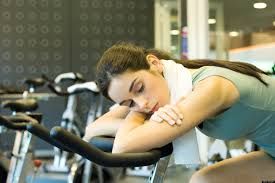
This article is for the rest of us. Sweat is distasteful to us and to be avoided at all costs. We do exercise because we know we should. We have gym memberships that automatically have the fees deducted from our checking accounts and we completely forget about actually going to the gym. After all, if we have the membership, isn't that enough? Some of us don't even go that far, figuring that we work all day, the last thing we want to do is work more once we get home.
Unfortunately, I see what happens to those of us in the 80% as aging sets in. I see the folks that come in pushing walkers and take almost a minute just to move from "standing" to sitting down. I hear the stories from the loved ones who tell me how their spouse can't get around anymore. This is not normal aging - this is disuse atrophy. "Use it or lose it" is absolutely the rule in the 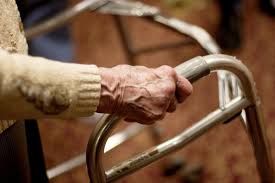 body. Keeping tissues around and fed is metabolically expensive for the body. Anything we don't use the body will start to reabsorb to be reused somewhere else. body. Keeping tissues around and fed is metabolically expensive for the body. Anything we don't use the body will start to reabsorb to be reused somewhere else.
What can we do? What do we have to do to prevent this disuse atrophy? Just what kind of messages do we have to send the body to convince it that we want to keep our muscles so we can still get around and get into trouble once we are old enough to know better? Fortunately there is a lot of science that has looked into this area and the good news is that we don not need to go to the gym every day and sweat for an hour. But we do have to do some things.
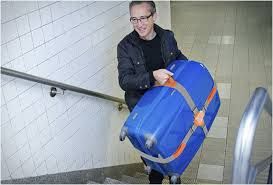
At least once each week (twice is ideal) we have to push our body to do whatever we want to be able to do plus a little bit more. If you want to be able to lift a 45-pound suitcase on some occasions, then you will have to demonstrate that need to the body on a weekly basis, plus a little bit more. The little bit more I mention is that you have to do this lifting to the point that your muscles can't do it any more. It is that momentary point of fatigue and muscle failure that is the magical moment that our muscles signal our body that they need to keep their strength.
Any exercise that does not push you to your point of failure signals the body that you don't really need all the muscle that you have. Why is that? It is because when you use your muscles, only a fraction of the muscle fibers contract at one time. The next time you contract, different fibers contract while the first ones rest. The point of muscle failure is the point when all the fibers have contracted and can not do any more. There are no more backups. If we don't use up the backups, the body figures we don't really need them.
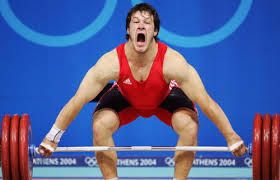
If you are a competition body builder, you use this principle over and over many times in a workout to convince you body that you need lots of extra backup muscle fibers. But for us regular folks that want to maintain our muscle strength, one time of reaching fatigue will do the job. And we only need to do this once or twice a week to keep the body strong.
The picture I have painted so far sounds like I am suggesting you use a lot of fancy weight equipment at a gym to work out our muscles to failure. This intimidates lots of folks and is simply not necessary. We have weight available for use all the time: our own body weight. Plus another issue with working out with heavy weights in a gym is the possibility of injuring ones muscles while working out - an ongoing source of patients for my office. Traditional weight lifting carries this risk because of the snap and jerk method of lifting. People use it to be able to lift heavier weights and stroke their egos. This snap and jerk method can tear muscles and tendons.
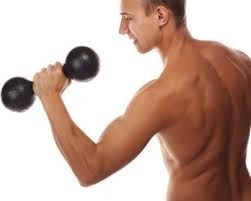
A much safer method is to use much lighter weights and lift them very slowly. You will fatigue the muscles to the point of failure without running the risk of trying to lift something too heavy. What does this look like in a gym setting? Instead of doing biceps curls with a 45 pound dumbbell where the lift takes 2 seconds and the lowering of the weight takes about the same, you can get the same quality workout with a 20 pound dumbbell taking 10 seconds to lift the weight and another 4 seconds to lower it. This is called super slow lifting. It was popular back in the 40's and 70's but fell out of style.
How much weight should you use when doing super slow lifting? Use enough weight that you poop out after 4 or 5 repetitions of the lift. Also make sure that you do not rest between lifts. The 10-second movement needs to flow continuously between lifting and letting down, then back into lifting again. You want to do this with each major muscle group of the body - Lifting up from the floor, lifting at the elbows, lifting up overhead, pulling down, pushing away, pulling towards yourself, squatting down and up, going up on your toes, lunging forward, and pushing backward.
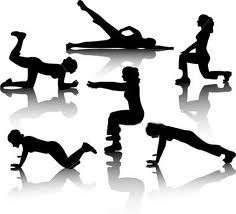
Although all of these can be done in a gym, they can also be done at home using your own body weight or objects at home. I have been buying videos of bodyweight exercises online with the expectation that I will put together a home workout for my patients using the super slow principles. Super slow push-ups and squats are two obvious ones we can start today. Try slowly moving down into a squat and then back up again continuously for five times taking 10 seconds to get down and another 4 seconds to slowly rise up. You may need a chair to hold on to for balance initially. Don't take even a moments rest between ups and downs. How did you do? Did you feel your legs quivering? Were you even able to do five? How deep into the squat were you able to go? The challenge is there - especially for us inactive types.
The idea is to be able to spend just an hour a week exercising at home to keep yourself strong until the day you die, instead of going to the gym to work out on fancy equipment. That seems like a reasonable goal. It won't be good for my business, as you will be less likely to injure yourselves if your muscles are strong, but my patient base is large enough that I don't have to worry. Between stress, dietary indiscretions, and silly accidents, people seem to find a need for my services.
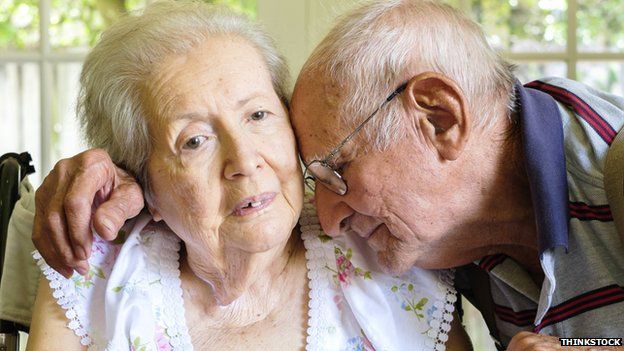
One last point - dementia. Why dementia? Because all the research says that it is exercise that is the single biggest thing we can do to prevent dementia and Alzheimer's. Do we need a better reason to do our exercises?
Our golden years don't have to be grey and decrepit. But it is entirely up to us to do what is necessary to stay standing tall, strong, and clear headed. There are no shortcuts, no pills that can do this for us. We have to do it for ourselves.
Take care,
David
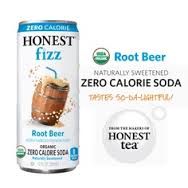
As a special treat I will have a case of a new soda brand in the office called Honest Fizz. I was attracted to it because it is sweetened with the same ingredients as I use in making my Double Sugar - erythritol and stevia. My favorite soda is Root Beer and this is an organic variety. So give it a try at only $1.50 a 12 oz can, or buy on Amazon here.
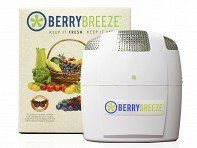
I am always on the lookout for cool new gadgets that are actually useful for us all. Here is one that is brilliant - a battery operated ozone generator for inside your fridge that greatly increases the lifespan of your fruits and vegetables. It will double or even triple the lifespan of your produce by killing off the molds and other nasty critters that rot your produce. If your fridge is anything like mine, you will be saving the cost of the Berry Breeze unit within a few weeks. Check it out!
Berry Breeze
Ultrasound Physical Therapy
Now available in the office
Tuesday afternoons and Fridays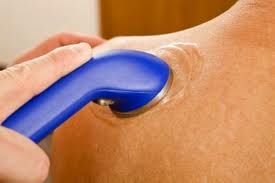
|
H
|
On the Wire
|
Less allergy 
- More and more studies are coming out that show allergy development is tied to not enough exposure to bacteria and allergens at an early age causing a slowed development of the immune system. This article looks at the highly reduced rates of allergies in children raised on dairy farms. Other studies have demonstrated similar findings for children exposed to dust mites, pets, and dirty environments. Simply put, obsessing on keeping your kids safe from germs is making them sick. They need exposure to germs and filth to develop a functional immune system.
Allergy
_____________________________________________
"Yes, exercise is the catalyst. That's what makes everything happen: your digestion, your elimination, your sex life, your skin, hair, everything about you depends on circulation. And how do you increase circulation?"
- Jack LaLanne
__________________________________
Avocado enhances nutrient absorption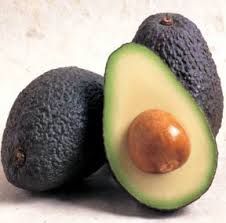
Certain foods are better eaten together. Evidently avocado and foods with provitamin A like tomatoes and carrots work well together. The avocado increased the absorption of the provitamin A by 240% to 660% and increased the conversion by the body into active vitamin A by as much as 1200%
"I do it as a therapy. I do it as something to keep me alive. We all need a little discipline. Exercise is my discipline."
- Jack LaLanne
_______________________________
Pups Poop Along North-South Magnetic Lines
Politics in the genes? A growing body of research evidence is showing that our political leanings are likely grounded in our genes. Many studies from all over the world are showing the same results - that conservatives are more aware and reactive to negative stimuli than liberals. This "negative bias" makes people better at avoiding dangerous situations and also makes them more focused on order and stability. Strangely though, despite their focus on negative events, conservatives tend to be happier overall than liberals who focus more on the positive.
"So many older people, they just sit around all day long and they don't get any exercise. Their muscles atrophy, and they lose their strength, their energy and vitality by inactivity."
- Jack LaLanne
________________________________________________
Our address is 9725 Fair Oaks Blvd.
Finding
the new location is very easy. Coming from highway 50 up Sunrise Blvd,
you turn left and go up a block. We are on the right hand side - the
building just past the Subway Sandwich shop. If you are coming down
Sunrise from the Mall area then just turn right on Fair Oaks Blvd and up
a block on the right.
If you are coming from the Roseville area you could come down Sunrise Blvd, but that is a long trek. It is probably shorter time wise to come down Auburn Blvd - San Juan Ave like you have been for the Sunset
office, but instead of turning left at Sunset, keep going straight 3
more lights to Fair Oaks Blvd and turn left. Go down 2 lights to New York Ave, go through the intersection, and immediately turn into the turn lane once the center divider ends. We are on the left.
You
are free to reprint this article in your newsletter as long as you
include the following statement in the same size type and color:
"This article appears courtesy of Fair Oaks Health News, offering natural and healthy solutions for body, mind and soul. For a complimentary subscription,
visit http://www.fairoakshealth.com"
|
| |
|
_______________
to check on old newsletters
_______________
About Dr. DeLapp
|
|
Dr. DeLapp has been a philosopher, non-force Chiropractor, medical intuitive, and health innovator for over 30 years. He began experimenting with medical intuition in 1972 while studying physics at UC Davis. In addition to physics he designed and completed an individual major in the philosophy and psychology of education. Shortly after he choose to pursue a career in the only truly health oriented profession available at that time, Chiropractic. He graduated with honors in 1981 with his doctorate and opened a private practice.
Since that time he has continued his research into the effects of consciousness and learning on health.
He developed the Biomagnetic Retraining system for correcting movement abnormalities.
Since 1991 he has focused on developing a powerful system for uncovering and assisting the mind-body connection in health and personal growth. The in-depth coaching, guided by the subconscious direction from the body, is called Heartflow and the simpler mind-body retraining for health and unfoldment he has named Gracework. Both are available at Fair Oaks Health.
Fair Oaks Healing
& Arts Center
Staff
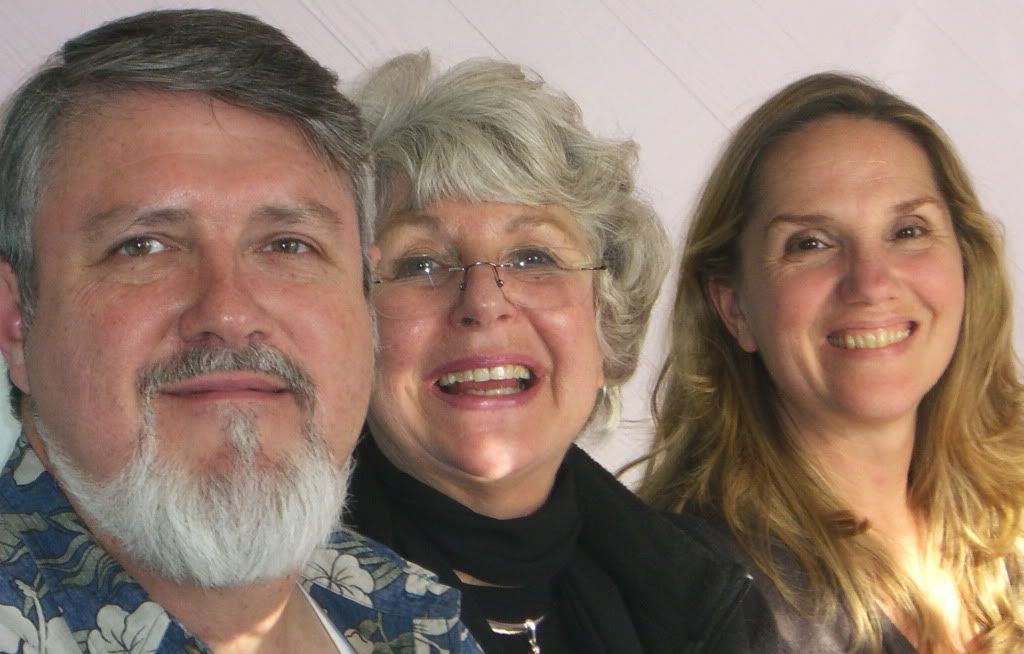
Dr David DeLapp DC
Chiropractor
Ellen Flowers FGM
Spiritual Life CoachEnergetic Nutritionist
Health Care Coordinator
Susan Richardson
Office Manager
Front Desk
Sherry Herrera
Front Desk Person
Hyla Carney
Physical Therapy
Susan McDonald
Catherine Cummings
Is there a sweet that is not poisonous? Yes!
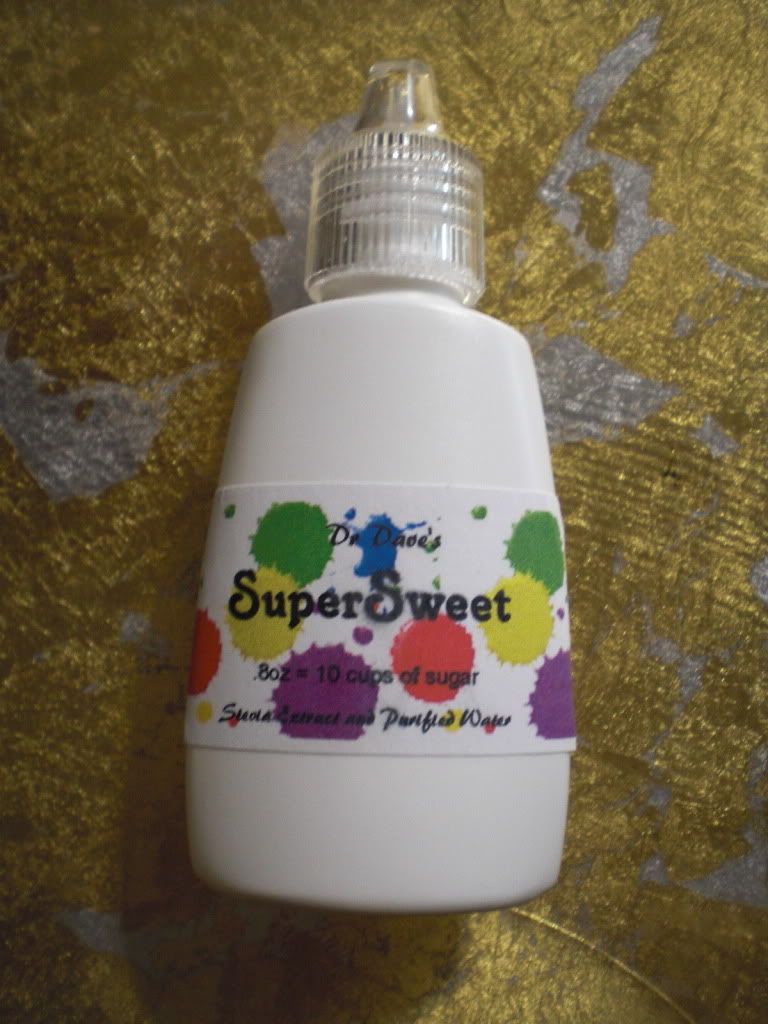 Dr Dave Supersweet Drops and 2X Sugar Substitute
New Products
Coconut Milk
| |