|
Wanted - 10 volunteers with environmental allergy symptoms or food sensitivities to participate in an allergy symptom relief study using a new Homeopathic protocol Dr. DeLapp is developing. Office visits and Homeopathic remedies will be provided.
Feb 15, 2014
Soups, salads, & smoothies
Hi ,

It's that time of year again. Winter is upon us and the natural availability of foods drops to almost nothing. One look at my garden and all I see left to harvest is kale and onions. This is the time of year that nature designed for us to heal the excesses and damages of the previous year. Nature does this through calorie restriction. When our calorie consumption drops below around 500 calories per day, our bodies kick into clean-out and repair mode.
It is intere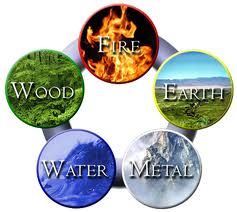 sting that winter corresponds to the metal element in Chinese 5 Element Theory of healing. The organs that metal relates to are the lungs and colon, whose function is to eliminate what we don't need and keep what we do need. Emotionally, the metal element is about the same function; discriminating what to keep from our life experiences and what to let go of in order to prepare for new beginnings. sting that winter corresponds to the metal element in Chinese 5 Element Theory of healing. The organs that metal relates to are the lungs and colon, whose function is to eliminate what we don't need and keep what we do need. Emotionally, the metal element is about the same function; discriminating what to keep from our life experiences and what to let go of in order to prepare for new beginnings.
Winter is the natural time for our body to clean out the old garbage from the previous year to prepare you for the blossoming of the new year in the spring. Physiologically, fasting or a lack of food triggers this cleanse process. Genetically we are already programmed to do this clean-out process at this time of year due to the natural unavailability of food in the northern climates. It is our bodies' natural alignment with the seasons.
Is this necessary for everyone? No, it is not. Some of us have genes from ancestors that came from more equatorial climates that do not have the harsh winter season and food deprivation. The most obvious sign as to where your genes are from is your body type. People with genes that were designed to survive winters without food will put on weight easily. Fat weight gain was designed to give us the stored calories needed to survive winters without food. equatorial climates that do not have the harsh winter season and food deprivation. The most obvious sign as to where your genes are from is your body type. People with genes that were designed to survive winters without food will put on weight easily. Fat weight gain was designed to give us the stored calories needed to survive winters without food.
People who never seem to gain weight no matter what they eat will have genes developed in climates that never go through times of of famine. These same people have livers that clean themselves out continuously all year long. These people will also have a much higher tolerance for carbohydrates in their diet. Carbs don't make these people fat. Those with the northern climate genes are carbohydrate sensitive and prone to developing metabolic syndrome and diabetes.

It is my belief that people with northern climate genes need to spend some time in significant caloric restriction every year to clean out their systems and prevent the negative consequences of chronic metabolic syndrome - namely diabetes. It is just the price they have to pay for having a body type that enables them to survive in winters without food that would kill off anybody with equatorial genes. It was the development of these genes that enabled them to migrate into the northern parts of the globe to begin with. They are adapted to surviving without food for part of the year.

The problem is that those of us with these genes now face a new challenge: The year round availability of food. This challenge is killing us with chronic diseases like heart disease, diabetes, cancer, Alzheimer's, and the like. Our genes simply are not designed to survive with food all year. We are the one's that were designed to survive without food at times.
Unfortunately nutritional science is not up to speed in studying this problem. Nutritional studies are all still being conducted on samples of people without regard for their genetic individualities. We are only now developing the  ability to measure genetic individualities. This is the next big frontier for the health sciences - designing health interventions and medicines based on the unique genetic needs of each patient. But as individuals, we don't need fancy genetic testing for the everyday practical stuff. We don't need genetic testing for eye color for instance; we can just look at a person's eyes to tell what color they are. The same is true for sensitivity to carbohydrates and the metabolic need to periodically clean out the garbage in the system with caloric restriction. ability to measure genetic individualities. This is the next big frontier for the health sciences - designing health interventions and medicines based on the unique genetic needs of each patient. But as individuals, we don't need fancy genetic testing for the everyday practical stuff. We don't need genetic testing for eye color for instance; we can just look at a person's eyes to tell what color they are. The same is true for sensitivity to carbohydrates and the metabolic need to periodically clean out the garbage in the system with caloric restriction.
Do you need to do this? The simplest test to simply look at your waist. If your waist is equal to or larger than your hip size, then you are one of these type of people. You have northern climate genes. If you gain weight e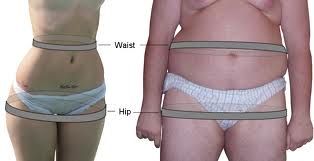 asily, then you are probably one of these type of people. If eating carbs makes you fat then you are one of these people. These genes make your system sensitive to sugars and carbohydrates by causing your insulin levels to get easily unbalanced. This is a good thing when the harvest comes in the summer and fall because it prompts your body to gain weight in preparation for winter. But it only works in your favor if you also have the food shortage to balance this process.
So how do those of us with northern genes mimic the food shortage time of year we are supposed to experience every year? I suggest spending time in the winter months doing a calorie restricted diet that completely eliminates simple carbohydrates, just as our ancestors would have experienced. That means eliminating all grains, legumes, starchy vegetables and sugars for a couple of months. The idea is to go into nutritional ketosis where your body  derives almost all its energy from fats - preferably the fats you have stored for just this occasion. Intermittently, once you are in nutritional ketosis, I also recommend 4 to 14 day periods of caloric intake of less than 500 calories per day. If your health is not good enough to handle the stress of this process, then alternatively I suggest intermittent fasting. This type of fasting involves going 14 to 16 hours each day without food and eating all your food within the remaining 8 to 10 hour time period. This process is also much easier if you are in nutritional ketosis as this state eliminates hunger and blood sugar swings. derives almost all its energy from fats - preferably the fats you have stored for just this occasion. Intermittently, once you are in nutritional ketosis, I also recommend 4 to 14 day periods of caloric intake of less than 500 calories per day. If your health is not good enough to handle the stress of this process, then alternatively I suggest intermittent fasting. This type of fasting involves going 14 to 16 hours each day without food and eating all your food within the remaining 8 to 10 hour time period. This process is also much easier if you are in nutritional ketosis as this state eliminates hunger and blood sugar swings.
What is my easy way of fasting? The answer is soups, salads, and smoothies. For years I would do a couple two-week fasts on just water each year. But now I feel that using greens with good amounts of fiber is a better approach. Studies have now shown that to achieve the benefits of fasting you don't have to have zero calories, you only have to eat less than 500 calories a day and not consume any carbs. I know for most people the idea of fasting sounds impossible. I felt the same way before my first fast at age 18. Actually after my first fast I felt very liberated. I no longer had any fear of not having enough food because I was completely fine without food. As I stated before, this is not for everyone, but more for those of us with the northern genes. before my first fast at age 18. Actually after my first fast I felt very liberated. I no longer had any fear of not having enough food because I was completely fine without food. As I stated before, this is not for everyone, but more for those of us with the northern genes.
How can anyone do this without totally feeling like they are starving? The answer lies in the physiological state called nutritional ketosis. This is what it is called when you convert your body over from burning carbohydrates (sugars) for energy to burning fats (ketones) for energy. You can get into this state while eating plenty of food by cutting out all carbohydrates from your diet. Once you are there, your hunger disappears because of the fat stored on your body will meet all our energy needs. It is only when we are dependent on sugars for our energy that hunger becomes a problem, because we only store 400 calories of sugar in our liver to meet the energy needs for our brain and organs. Consequently we run out of sugar energy easily...not so with fat. The average healthy person has enough fat stored on their body to support their brain and organs for weeks.
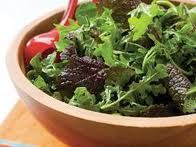
Once I am in nutritional fat burning ketosis, it becomes easy to subsist on much fewer calories for a while. Vegetable and leafy green salads seasoned with vinegar and herb dressings, leafy vegetable soups made with bone broth, and smoothies made with leafy greens and a little avocado provide a ton of nutrition without many calories. This triggers the clean-out and repair programs in my body.
If you are bold and adventurous, then I invite you to align with your ancestor's genetic eating patterns. And if you have the northern type genes, then a couple months of intermittent fasting or several short green fasts of 4 to 14 days during the winter months will really build up your health.
Take care,
David
Addendum: Today is my 7th day of green fasting and I have experienced no hunger except for one day. What was different about that day was I tried putting some protein in my green smoothie. Protein triggers my stomach into producing acid to digest the protein. It also appears to make me hungry all day. I was fine by the next morning, but protein in the smoothie made me hungry for about 4 - 5 hours afterward.
My Green Fast Smoothie: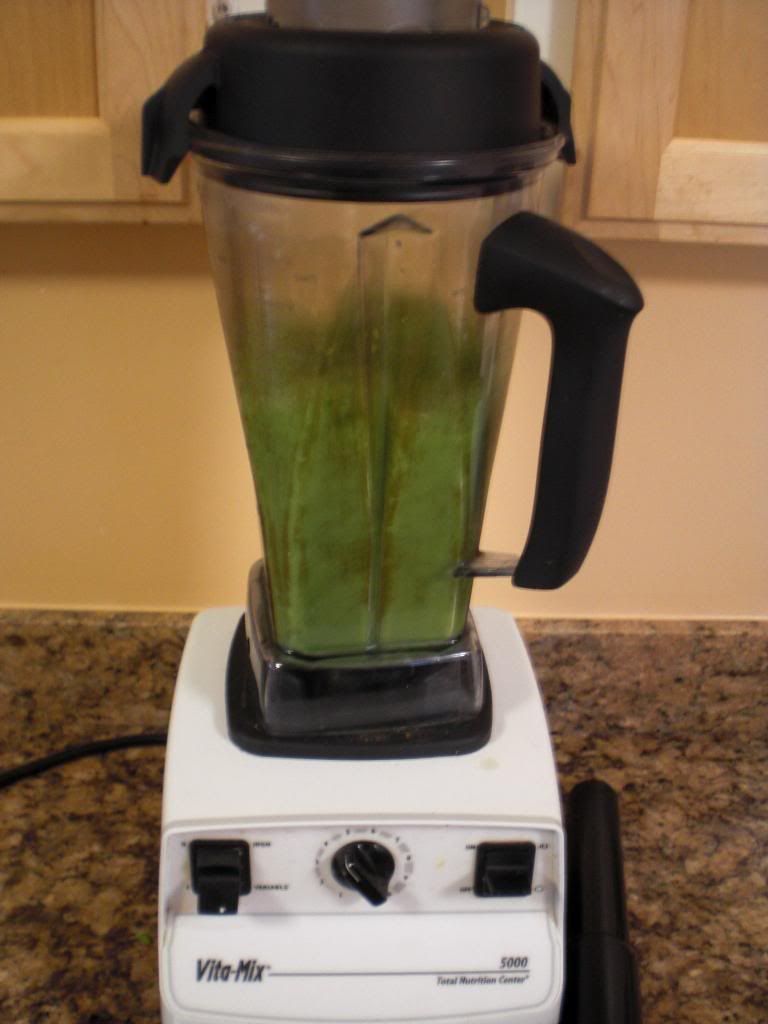
In my Vita Mix blender I put
4 cups of purified water
3 Tbs. Ground Flax Seed
2 Tsp. Dr Dave's supersweet Powder
2 Tsp. Vanilla
1 Tbs. Vegetable glycerin
5 drops liquid vitamin D3
1/2 ripe avocado
blend on high for 30 seconds then add:
4-6 cups fresh kale, chard, spinach combo
Blend on high for 1 minute then pour into a quart mason jar for sipping on all day.
I also add optional ingredients:
homemade liposomal vitamin C, turmeric, and resveratrol
or a spoon full of MCT oil.
Be creative and add other vegetables, but no sugar or fruit if you are doing a green fast. I added cucumbers a couple days, and after I get to the store I will add some beet tops. Do not add root vegetables like carrots as they are too high in sugar and starch.
Ultrasound Physical Therapy
Now available in the office
Tuesday afternoons and Fridays
|