|
July 7, 2013
Bone Strength Update
Hi ,
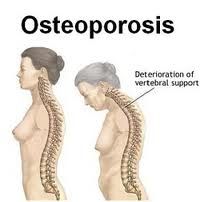
While I was reviewing an article I wrote on building stronger bones with a patient last week, I discovered that the article needed updating. New information has been uncovered in the last couple years that gives us a better handle on preventing age related bone fractures.
If you are under 40 this information will probably not interest you much. But if you have made it past 40 and plan to keep going into your 70's and beyond then this information is crucial to you. Why? Because this is most likely what will kill you once you make it past 70, and to prevent it you need to start now. The consequences of falls are the number one cause of death in seniors, and weak bones and muscles are the number one cause of falls.
Why aren't there any big crusades for bone strength like there is for heart disease? Why don't we have a "War on Osteoporosis" like we have on cancer? Why is the number one killer of seniors ignored?
Whatever the reason, the answer is found in the same arena as the answer to heart disease and cancer - cultivating a lifestyle that keeps you from getting the problems in the first place. As Benjamin Franklin once said, "An ounce of prevention is worth a pound of cure."
So what lifestyle will build bone strength and prevent fractures and falls that cause the deadly consequences for so many seniors? By now the general response to that question should be so automatic that most folks don't even hear themselves when they say it - "Proper Diet and Exercise." It sounds like something out of a Taoist philosophical text - "The discipline of consistent right action produces right results." Discipline, consistency, right action; who wants those? People want magic. "Give me a magic pill that will make everything ok."
Sorry, the body doesn't work that way. The body works on consistent right actions to produce health. It has tolerance and adaptability for bad choices now and then, but to be healthy we need to be making the right choices most of the time. So what are the right choices? Lets look at exercise first.
Exercise
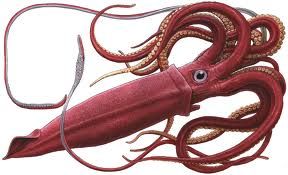
How does your body know how strong to make your bones? Why even have bones? Squids don't have bones. Snails don't have bones.
We need bones to be able to move against gravity the way we do. And how strong our bones need to be entirely depends on what we are trying to move and where. That sounds simplistic, but it's not. The size bones an Olympic weight lifter needs is very different than the size bones a sedentary senior citizen needs. But that sedentary senior citizen may have been an Olympic weight lifter in his youth. Are his bones the same as they were when he was young? The answer is no. So what made them change? The answer is lack of exercise.
We are accustomed to the idea of exercise making our muscles bigger, but no one is explaining to us that the bones work the same way. Not just any exercise makes our muscles bigger. In fact some exercises like long distance running and cycling actually make our muscles smaller and more efficient. The same is true of bones. Only the right exercises will increase the strength of our bones.
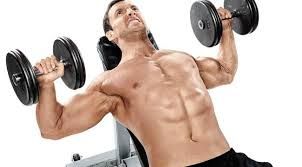
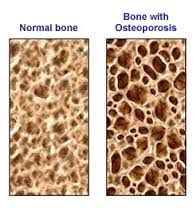
Our bones know how strong they need to be by how much the muscles attached to them pull. If the bone is not strong enough, the muscle will break the bone. As the muscle contracts strongly, the bone will start to bend and that bending stimulates the growth cells of the bone to lay down more bone. If the muscles don't contract enough to bend the bone then the growth cells do nothing. Unfortunately there is another type of bone cell that is always tearing down the bone, and it goes all the time. So if you do not use your muscles strongly enough to grow more bone faster than the tear-down cells do their job, your bones will get weaker and weaker.
The quickest way to lose bone is to be stuck in bed not using your muscles. This is a serious problem for anyone bedridden. The same problem happens with astronauts in the space station. Without gravity there is nothing to make their muscles contract strongly so they lose bone and get weaker while they are in space.
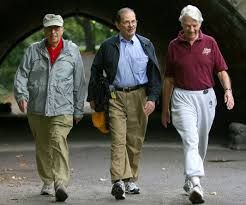
A few years ago the "common wisdom" was that getting up and walking around the block was enough to stop bone weakening or osteoporosis. Unfortunately "common wisdom" is frequently wrong. Many studies have since shown that walking is not enough. To build bone you need strenuous exercise. The same has been found to be true for muscles. You don't need a lot, just a few minutes several times a week. But if you don't stress your bones enough to make them flex, they will get gradually weaker every day.
Strenuous exercise means that you have to either lift enough weight to stress the bones, or you have to have a high enough impact on your joints to do the same thing. Weight lifting is a good example of the first and running is a good example of the second. Walking, bicycling, elliptical trainers, and the like may be good for cardiovascular fitness, but they will not build bone.
If you are younger running may be a good option; particularly the sprint / walk interval training. But for older folks I recommend lifting weights. Lifting is more controlled with less chance for injury. You can slowly increase the weight you lift to keep your muscles challenged. If you are going to a gym, you will want to use weights while you are in a standing position. The most common bone to break in a senior is the hip, and you don't exercise or stress the hipbone while you are sitting. Free weights are best, with the newest craze "kettle bells" being an excellent option.
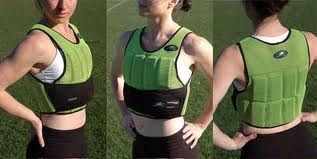
For most people though an even better choice is to use a weighted vest. Just engaging in normal movement activities while wearing a weighted vest will increase the stress on your bones enough to stimulate strengthening. The idea is to gradually increase the weight in the vest to about 10% of your body weight. So if you weighed 100 pounds you would build up to carrying an extra 10 pounds in the vest. Wear the vest about an hour a day to exercise your muscles and bones while engaging in movement activities. Ellen wears her vest every morning. She puts it on as soon as she gets up and wears it while she feeds the cats and putters around the house straightening things up. Wearing it while walking around the block or doing Tai Chi will turn these activities into bone building activities. Here is a nice one on
Amazon
.
A third choice I have written about previously is the use of whole body vibration. This is the "new kid" on the block. It provides the impact on the bones necessary to stimulate bone growth, but in a very controlled and safe form. We have such a machine in the office for this purpose. I 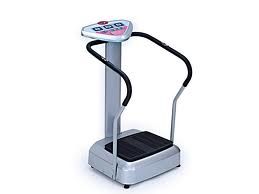 recommend 10 minutes of whole body vibration 2 to 3 times a week for osteoporosis treatment. recommend 10 minutes of whole body vibration 2 to 3 times a week for osteoporosis treatment.
Nutrition
So much for exercise, now lets briefly cover nutrition. Nutrition is much like bringing the building materials to a job site for a new house. You need all the right materials in the right amounts. If you have bricks but no mortar, you won't be able to build a brick wall for your house. Bones are the same way. Calcium is the bricks of the bone, but calcium is only a small part of the needs for strong bones.
The mortar for the calcium in the bones is protein. If you are not eating enough good quality protein, or even more likely not digesting it well, your bones will not get the protein they need to be strong. Protein needs hydrochloric acid in the stomach to be digested and enzymes in the small intestines to be broken down. If you are over the age of 45 you are almost certainly low in one or both of these and need to supplement them in your diet every day for the rest of your life (or at least as long as you want to have bones.)
Vitamin C and bioflavonoids are required for your body to turn that protein into the good strong mortar necessary to hold the calcium "bricks" together.
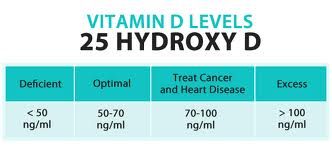
Vitamin D is essential for your body to absorb the calcium you are taking. In the old days they thought all you needed was 400 iu if D a day. Now that number has been increased 10 fold to 4000 iu a day.
Getting the calcium into your body is nice, but without Vitamin K2, your body does not know what to do with the calcium to make bones so it ends up clogging up your joints and arteries as calcium deposits. K2 is manufactured by fermentation bacteria so fermented foods are important for bone growth. One unfortunate conflict - you can't use vitamin K if you are on blood thinning drugs like coumadin. As you might guess, coumadin therefore interferes with bone strength.
I get most of my essential bone growing nutrients from a 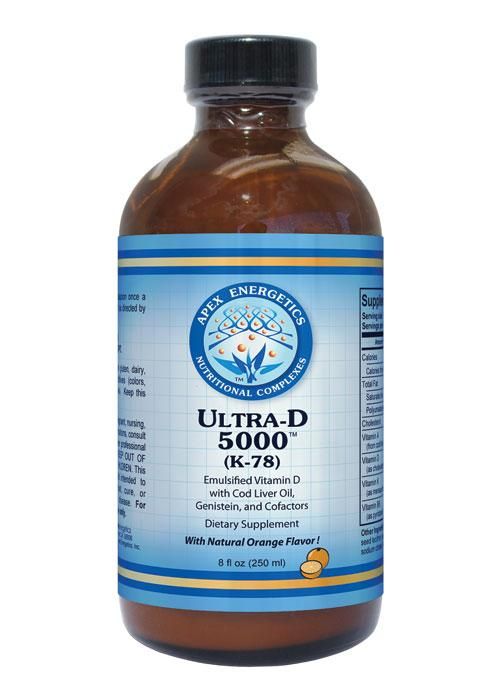 product I have in the office called Ultra D 5000. It not only has a high dose of the active form of vitamin D along with anti-inflammatory fish oils and the necessary co-factors, but it also has the vitamin K needed for proper bone growth stimulation. As a bonus it is in a good tasting liquid form so I don't have to swallow any pills. product I have in the office called Ultra D 5000. It not only has a high dose of the active form of vitamin D along with anti-inflammatory fish oils and the necessary co-factors, but it also has the vitamin K needed for proper bone growth stimulation. As a bonus it is in a good tasting liquid form so I don't have to swallow any pills.
Because so many people have inflamed arteries from eating sugars and seed oils, doctors are now not recommending you take your calcium in big doses like calcium tablets. This is because the inflamed arteries like to grab the calcium and deposit it in the artery walls when there is a large amount of calcium in the blood. I do not feel this is a problem if your arteries are healthy from eating an actually healthy diet. (Personally I hedge my bets by using Nitric Balance every morning to keep my arteries happy and not inflamed.) Ellen gets her calcium in small doses during the day with calcium chews since she can not eat dairy as a calcium source. They are like eating caramel candies. Otherwise I like using bone broth or calcium hydroxyapatite tablets spaced through the day.
And then there are the hormonal controls for the bone growth, so you need good hormone levels - estrogen especially. Loss of estrogen is why women are particularly susceptible to osteoporosis as they grow older. High insulin levels due to too much sugar consumption interfere with bone strength by blocking estrogen receptors. Thyroid hormone is required for all activity in the body so low thyroid levels will stop bone growth. Getting good sleep is necessary so you produce growth hormone needed to keep you young by growing the muscles necessary to stimulate the bones. We can order lab tests through the office to test hormones if needed.
A recent discovery with osteoporosis is that a significant cause is autoimmune attack of the bone building cells triggered by gluten intolerance. About 30% of the population are gluten intolerant. This today causes most cases of thyroid disease. We have lab tests for this at the office.
You simply need to be healthy to grow bone - emotionally and physically. People with high levels of good social connection have a 50% greater chance of living to a ripe old age. If you are toxic with too high levels of ammonia in your blood your calcium utilization will be blocked. Liver overload with toxic chemicals will also block bone building in many ways. Anything that produces inflammation in your body will interfere with your bone health. Obvious factors like excess stress, smoking, drinking, drug use, and poor relationship connections all significantly affect your health and your bones. You need a healthy lifestyle.
Along those same lines are the many pharmaceutical drugs that interfere with bone building such as medications like acid reflux medications, antacids, prednisone or other steroids, some contraceptives, SSRI's, lithium, and some seizure meds.
And then there are the trace minerals your bones need to grow properly, like manganese, copper, boron, zinc, calcium fluoride (not the stuff they put in your water supply.) And lets not forget the most common mineral deficiency in America today, Magnesium. Magnesium is essential for strong bone formation and we need at least 400 mg a day. Along the same lines the second most common mineral deficiency is potassium. It needs to be in balance with the sodium in our diet, which it almost never is because of all the salt we put in our food. For safety sake I take three MgKzyme tablets each day to cover for the magnesium and potassium needs.
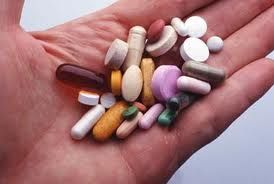
As you can see, the osteoporosis bone building story is complex. Life is complex. We hate the complexity, but that does not change the truth. If we ignore the complexity we simply will not get the results we want. Only doing exercises but eating poorly will not work. Just taking supplements without exercise will do you no good. Exercising and taking the right supplements but not addressing poor digestion or hormonal health or sleep problems or any other body inflammation issues will get in the way of having strong bones.
Complexity is why health requires a lifestyle of health. A lifestyle is a discipline of consistent right action to produce right results. There are no magic bullets for health. There is no miracle jungle juice or herbal extract that will produce health. Health is the end result of daily healthy actions on every level. We can slip now and then, but most of the time we need to live healthy to be healthy.
Bone building checklist:
Weight bearing exercise:
Running or
Weight lifting or
Weight vest or
Whole Body Vibration
Nutrition:
Low dose calcium
Protein
HCl and enzymes for digestion
Vitamin D, C and K2
Trace Minerals
Magnesium and potassium
Anti-inflammatory herbs/oils
Hormone balancing nutrients
Healthy Diet - low sugar, low glycemic, low toxin, no vegetable oils
Gluten free casein free diet may be necessary - no dairy or grains
Healthy Lifestyle
Good Journey,
David
Ultrasound Physical Therapy
Now available in the office
Tuesdays and Fridays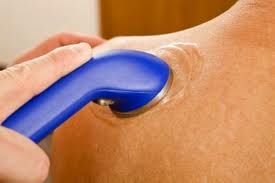
How to find us -
Our address is 9725 Fair Oaks Blvd.
Finding the new location is very easy. Coming from highway 50 up Sunrise Blvd, you turn left and go up a block. We are on the right hand side - the building just past the Subway Sandwich shop. If you are coming down Sunrise from the Mall area then just turn right on Fair Oaks Blvd and up a block on the right.
If you are coming from the Roseville area you could come down Sunrise Blvd, but that is a long trek. It is probably shorter time wise to come down Auburn Blvd - San Juan Ave like you have been for the Sunset
office, but instead of turning left at Sunset, keep going straight 3
more lights to Fair Oaks Blvd and turn left. Go down 2 lights to New York Ave, go through the intersection, and immediately turn into the turn lane once the center divider ends. We are on the left.
|