|
June 2, 2013
Coconut Yogurt
Hi ,
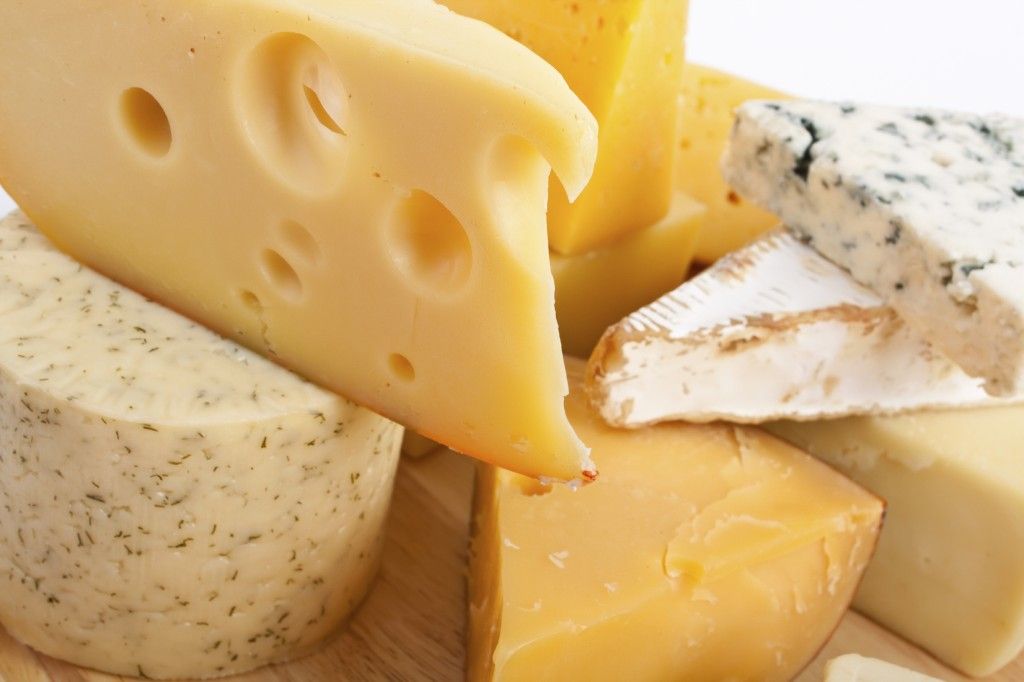
One of my most favorite things on the planet used to be cheese and assorted other dairy products. When I discovered I was gluten intolerant, I also made the unfortunate awareness that the body reacts the same way to milk proteins as it does to gluten. The proteins in grains look chemically very similar to the proteins in milk. So to gain any headway on healing my leaky gut issues I had to eliminate not only gluten, but dairy also. Bummer.
Replacing breads was fairly easy with the creation of my Dr. Dave Miracle Bread. And liquid dairy was easily replaced with almond milk and coconut milk. Cheese was a little more challenging but eventually I created a recipe that had the consistency of a soft cheese like jack and melted like cheese for making grilled cheese sandwiches and pizza.
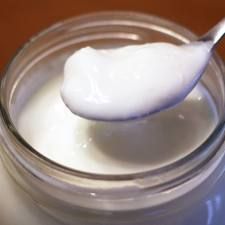
But I also used to love yogurt, and although there are almond milk and coconut milk yogurts on the market, they taste terrible. They are not creamy and they are not rich and tasty. Part of the problem is that it is the milk protein that makes yogurt set up into the delightful yogurt consistency.
Well, I have been doing some experimenting and have finally come up with a suitable replacement for creamy rich yogurt.
Before we launch into the simple recipe, I want to mention that milk is a bad food for most people, which makes yogurt made from milk a bad food for most people. There are several reasons why milk is a bad food. Let's look at this problem.
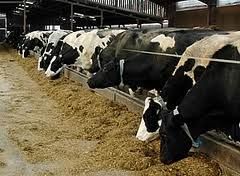
1. Modern dairy practices no longer process milk as a fresh food. Milk is gathered from dairy herds primarily fed grains in feed lots. Because of the crowded conditions in modern dairy farming, massive amounts of antibiotics are put into the feed to prevent infections in the herd. These antibiotics come through into the milk. It is believed that these antibiotics in our food supply are part of the problem creating antibiotic resistant bacteria that are becoming impossible to kill. Being in the food, the antibiotics mess up our natural gut bacteria allowing more dangerous bacteria to proliferate.
2. Hormones are also used to increase milk production, which come through the milk, pumping us full of unwanted hormones.
3. Milk that is gathered from many dairy farms is brought to huge dairy processors and all dumped into holding tanks for up to two weeks. No concern is given to the growth of bacteria in this milk because the thought is that it will all be killed when the milk is pasteurized. Consumer milk is allowed to have 50,000 bacteria per milliliter (about 20 drops) as long as they are dead. The problem is that even though they are dead, the outer protein shell of many bacteria is very toxic, and pasteurizing the milk does not reduce this toxicity. So even though you won't get a bacterial infection from the milk, you will get some level of poisoning.
A1 beta casein cows (bad) versus A2 beta casein cows

4. The milk protein casein comes in 2 forms, A1 beta casein and A2 beta casein. A2 beta casein is stable, but A1 beta casein is easily broken down in the gut into a peptide called beta casomorphin 7 (BCM7). BCM7 is an opioid, which has morphine-like qualities. This creates rampant oxidative stress in the gut and blood stream resulting in massive immune responses that in turn produces leaky gut, and has been linked to cases of type I diabetes, heart disease, other digestive disorders, and neurodegenerative conditions. When BCM7 passes into the bloodstream, it is able to cross through the blood brain barrier. In the brain, it can bind to opioid receptors and cause symptoms of schizophrenia, autism, and other mood and neurodevelopmental issues. Unfortunately all the milk in the western hemisphere is produced by breeds of cows that make the A1 beta casein type of milk.
6. Most people in the world can not digest the milk sugar lactose once they grow up. Lactose intolerance is very common and causes considerable intestinal discomfort.
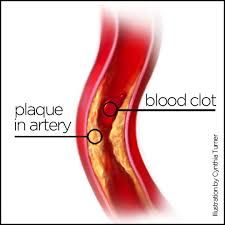
7. The process of pasteurizing milk causes the release of a chemical called xanthine oxidase. This is an enzyme that produces huge amounts of reactive oxygen species - the stuff that burns our artery walls and produces atherosclerosis. Pasteurized milk is a major cause of hardening of the arteries.
8. Milk proteins cross react with gluten causing the same problems that gluten causes. Current studies show 30% of the American population is intolerant of gluten, while only 1% show the classic celiac disease symptoms. The other 29% are having symptoms in most any organ or tissue in the body as autoimmune reactions. The most common tissues attacked are the thyroid, the brain, the pancreas (as late onset type 1 diabetes), and the gut.
9. Milk is one of the 5 most common allergenic foods.
10. People who drink milk because they think it will provide them necessary calcium are being misled. The calcium in pasteurized milk turns into an insoluble form we are not able to digest. Interestingly the highest rates of osteoporosis are found in the countries that consume the highest amounts of pasteurized milk and dairy products.
11. The type of vitamin D added to milk is the poorly utilized D2 form and not the natural D3 form. Pasteurizing also destroys the natural vitamin C in milk.
So as you can see, cow's milk is not such a good food for anybody.
So what do you do if you like milk? As I already mentioned coconut milk and almond milk are excellent alternatives. Flax, hemp, and many other nut milks are also good. If you don't have gluten intolerance then raw goat's milk will probably work for you, as goats do not produce the A1 beta casein. Some dairy products from Europe or New Zealand may also be ok for you. Clarified butter (ghee) is also fine as the casein has been removed. I am not that fond of rice milk because of the high sugar content, nor do I like soy milk because of the hormone disrupting effects of soy.
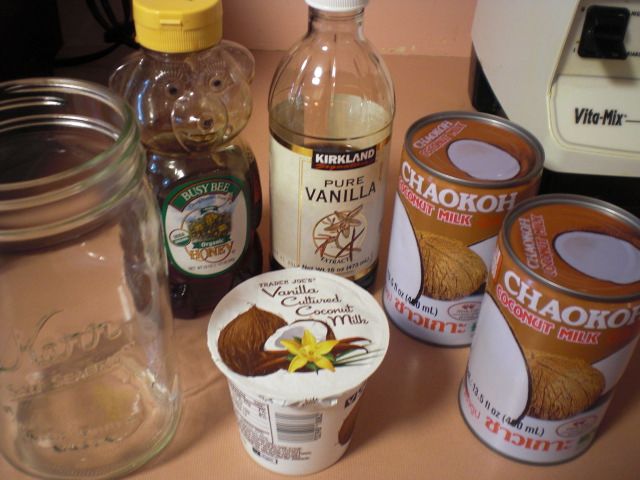
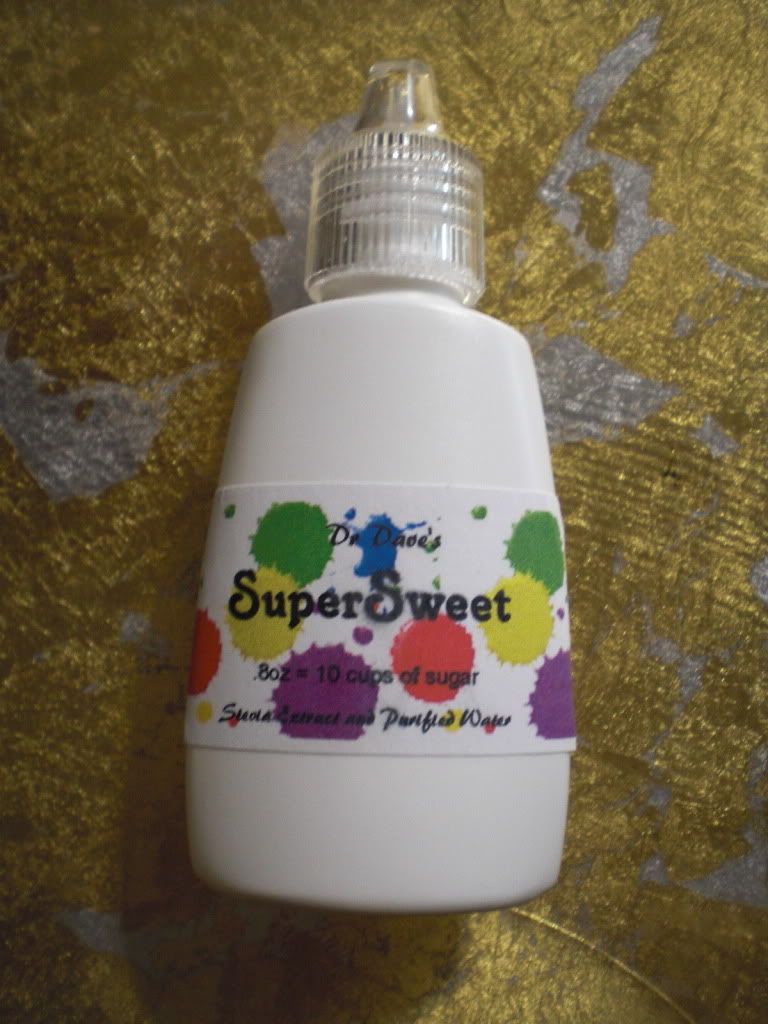
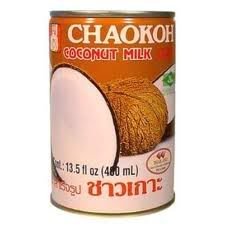
So on to the joys of yogurt. Since we don't want any cow's milk in our yogurt, we will need to begin with a starter culture of probiotic bacteria from a non-dairy source. The easiest starter is to simply buy a carton of coconut milk yogurt from the store (yes the nasty tasting stuff). It has the live cultures we need to make our yogurt. Dump half the carton of the coconut milk yogurt into a blender along with 2 cans of coconut milk. (I like Chaokoh brand the best.) Add a couple teaspoons of honey to feed the bacteria and a couple teaspoons of Dr. Dave's Supersweet Powder and maybe a little vanilla and blend this all up. Now for the secret ingredient - Guar gum. Coconut milk does not have the casein protein in it that makes the yogurt thicken up so we have to add a different thickener. Half a teaspoon of guar gum blended into the coconut milk mixture makes a very nice thickness once the culture has finished; not solid like the gelatin based cheap yogurts, but creamy soft like the expensive stuff.
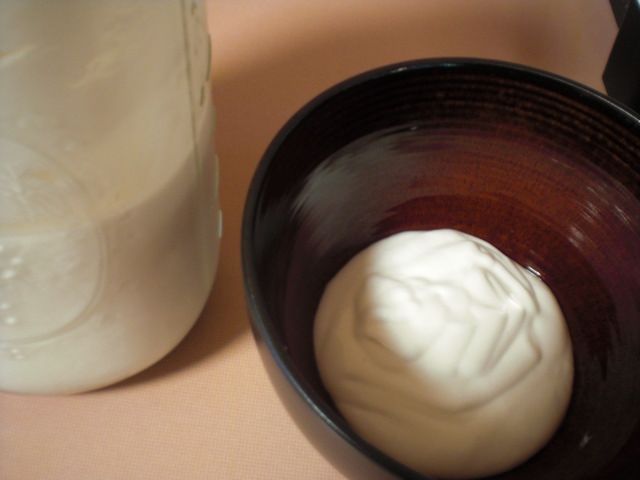
Pour your mixture into a nice clean Mason jar and set it out in a "warm" area overnight to let the probiotic bacteria grow. Since the bacteria in your starter culture produce lactic acid as they grow, the acid should prevent any negative bacteria from growing in your yogurt. In about 24 hours the yogurt should be ready. It will have a nice tangy flavor but will be sweet because we have already added the stevia sweetener. The probiotic bacteria will have mostly eaten up the honey sugar.
There you go - delicious yogurt without cow's milk. I have stressed on many occasions the importance of eating fermented foods every day to keep our gut bacteria healthy. Yogurt is one such fermented food.
Enjoy,
David
Announcement:
Our office has kept our prices unchanged for the last 7 years. In that time inflation has increased 19.2%. Our dollars just are not stretching far enough any more, so we will be raising prices in two steps to compensate for inflation. June 1st we will be increasing our fees by 10% and then next year another 10% to bring us up to current prices. We are keeping Medicare prices the same right now. will be raising prices in two steps to compensate for inflation. June 1st we will be increasing our fees by 10% and then next year another 10% to bring us up to current prices. We are keeping Medicare prices the same right now.
Thanks for your understanding.
David
Ultrasound Physical Therapy
Now available in the office
Tuesdays and Fridays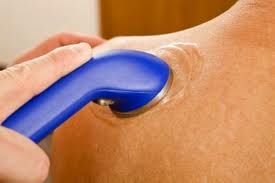
How to find us -
Our address is 9725 Fair Oaks Blvd.
If you are coming from the Roseville area you could come down Sunrise Blvd, but that is a long trek. It is probably shorter time wise to come down Auburn Blvd - San Juan Ave like you have been for the Sunset
office, but instead of turning left at Sunset, keep going straight 3
more lights to Fair Oaks Blvd and turn left. Go down 2 lights to New York Ave, go through the intersection, and immediately turn into the turn lane once the center divider ends. We are on the left.
Take care,
David
You
are free to reprint this article in your newsletter as long as you
include the following statement in the same size type and color:
"This article appears courtesy of Fair Oaks Health News, offering natural and healthy solutions for body, mind and soul. For a complimentary subscription,
visit http://www.fairoakshealth.com"
|