|
This newsletter is about extracting protein from leaves.
November 11, 2012
Plant Protein
Leafu
Hi ,

Protein is the most critical food in your diet. You are made of protein. You can live without carbohydrates and sugars completely. You can live with almost no fat in your diet. Most Americans live with almost no fiber in their diets. But you can not survive without sufficient protein.
Fortunately in this country we have an abundance of protein available to us at prices we can readily afford. Most of the world does not live with this luxury. Protein deficiency is a serious concern for a large portion of the world's population. Here you can purchase a days supply of animal protein at a fast food burger place for a small percentage of a days 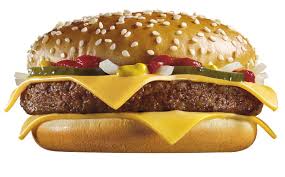 wages. Throughout the tropics and sub-tropics animal protein is too costly to be used for human food. So people try to survive on plant proteins. wages. Throughout the tropics and sub-tropics animal protein is too costly to be used for human food. So people try to survive on plant proteins.
It is almost impossible to eat enough plant matter to meet your protein needs. The amount of protein in plant matter is tiny. A high protein plant will typically only have 5% protein at best. Most plants are much less than that. A human needs about 75 grams of protein each day to stay healthy - more if you are exercising heavily or pregnant. That means you would have to eat 5 pounds of good quality high protein plants to meet your protein needs. That just is not going to happen. The average person does not eat one tenth of that.
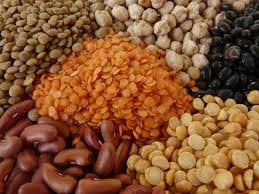
Folks tell me that they can eat beans and rice for protein. Seeds like that do have higher protein levels, but not that much higher. Your basic bowl of beans and rice is only 10 to 11 percent proteins.... Better than leaves but not by much. One the other hand, nature fills seeds with poisons to keep bugs and molds away to protect the seeds. All legumes and seeds/grains are toxic to some degree. So the extra protein comes at a price.
In this country we have high technology industries that concentrate and convert plant proteins into food like substances for people that believe they will be healthier eating these plant based manufactured foods. The prototype for these foods is a traditional plant protein extract we have come to know and love called tofu. I don't personally recommend soy based foods because of the anti-thyroid and hormone disrupting effects, but it does  provide a plant-based protein that will prevent protein deficiency disease. Fermented soy overcomes these problems so I do suggest tempeh and miso fermented soy products to my patients. provide a plant-based protein that will prevent protein deficiency disease. Fermented soy overcomes these problems so I do suggest tempeh and miso fermented soy products to my patients.
Last weekend I went to a class in Newcastle at a little tea and sandwich shop called the Wild Raspberry on how to extract protein from foraged leaves. It was fascinating. It seems that a simple method for extracting the protein content from edible leaves gathered from the wild (or grown) was developed in Africa to help meet their protein needs. The key is to be able to concentrate the protein enough that you don't have to try to chew and digest five pounds or more of leaves each day to get your protein needs met.
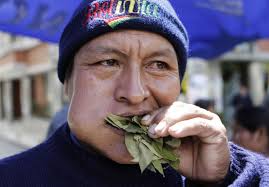
The process is very labor intensive when done the traditional way because the first step is to slice and dice the leaves very finely with a knife to break open the cell walls of the plant. Plant cells are like wooden boxes. The cell walls are made of "wood" and the valuable nutrients, including the protein, are on the inside. You have to break open the boxes to release the valuable nutrients. (This is why cooking most vegetables is actually more nutritious than eating them raw. We don't chew enough to break all the cell walls down to release the nutrients, but cooking the vegetable causes the cells to burst as the water inside turns to steam.)
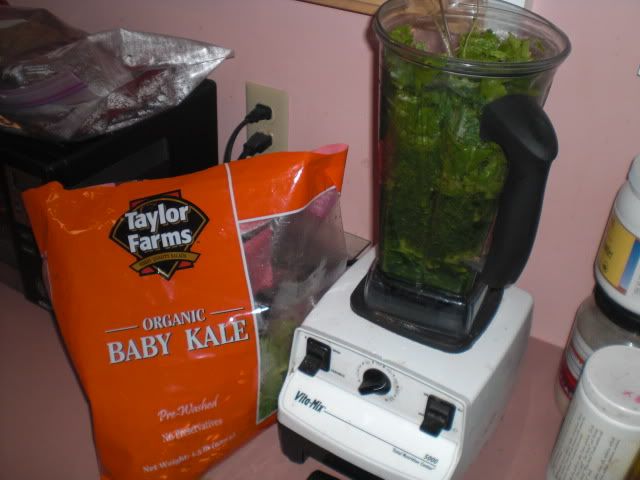
For this class we used a wonderful timesaving invention - the blender. People had brought various edible plant leaves to the class - many of them harvested from the wild. After the teacher checked the plants to make sure she was confident she knew what each actually was so no poisonous plants got used, she juiced all the leaves in a huge industrial blender with water to help it blend. She probably used at least 10 pounds of leaves.
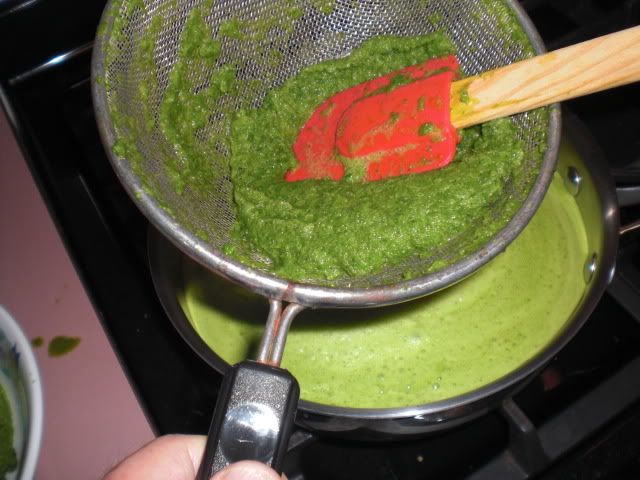
I repeated this process the next day at home using my blender and a big bag of baby kale. After blending everything down to a liquid you pour the juice through a fine strainer or muslin cloth to strain out the plant fibers. What we have left is a big pot of beautiful green leaf juice. The plant leaf protein is dissolved in the juice.
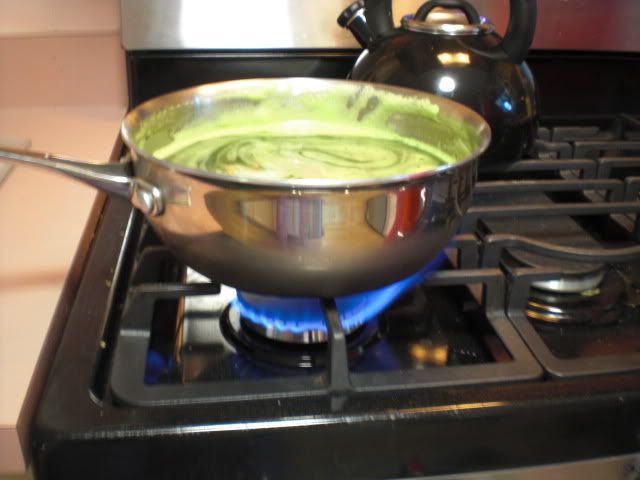
Extracting the protein is now really simple. You just heat up the pot to just under boiling temperature (about 200 degrees.) This denatures the proteins, which means the complex folded structure of the proteins lets go and the protein unfolds. This is the same process that happens in your stomach caused by your stomach acids. 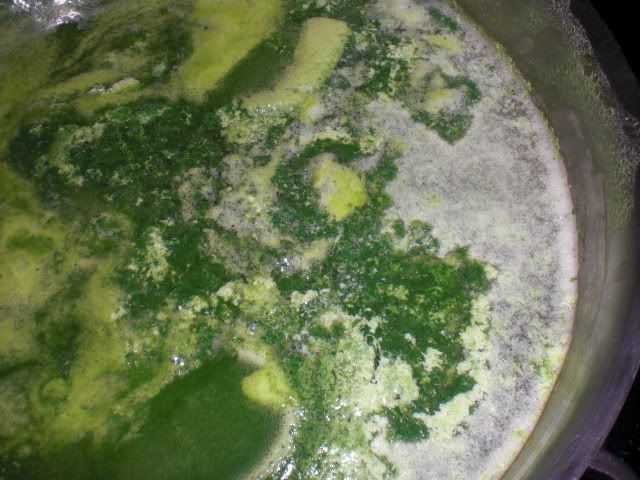 When the protein unfolds it suddenly stops liking water and floats to the surface. There it forms a scum like curd on the top of the juice water. You just scoop up the curd and put it into a second much finer strainer (silk cloth or a nut milk bag). When the protein unfolds it suddenly stops liking water and floats to the surface. There it forms a scum like curd on the top of the juice water. You just scoop up the curd and put it into a second much finer strainer (silk cloth or a nut milk bag).
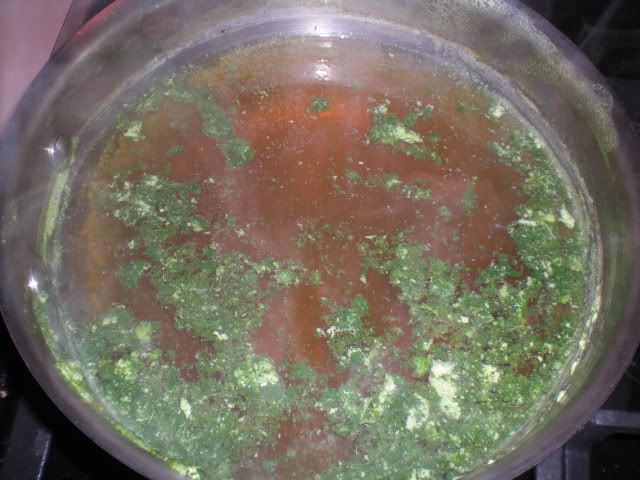
The amazing thing is that as you scoop out the dark green curd, you notice that the formerly dark green juice has now turned almost clear. All the green color has become part of the protein curd at the top of the water.
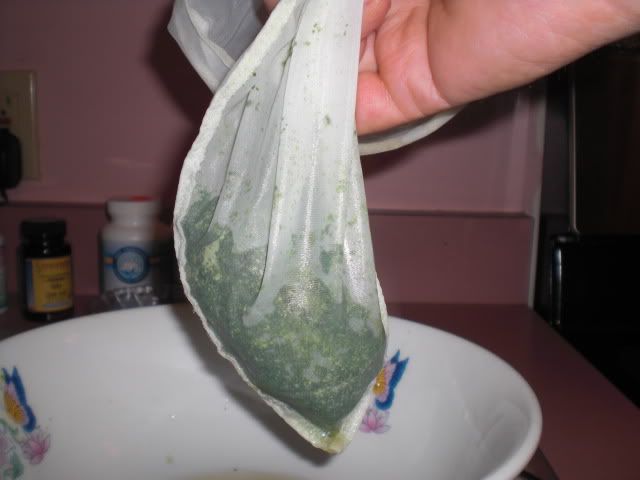
Let the curd drain or squeeze the bag to get rid of the water and you end up with what has been called leaf tofu or leafu. My 24 ounce bag of kale yielded about one ounce of leaf tofu. This lump of green stuff is about 60 to 70% protein and the rest is vitamins, minerals, and phytonutrients...all good stuff. It may seem like a lot of effort when you could just order a quarter pounder with cheese, but for vegetarians and tribal people without adequate protein it is a life saver.

Interestingly just a few days before this class, Ellen had brought home a couple seeds to grow a tree called the Moringa tree from the discussion group we both go to. The connection is that the Moringa is being pushed as the solution to the protein starvation in the tropics. The leaves of the Moringa when dried are almost half protein. Moringa grows best in the very areas of the world that need more protein the most. Creating leaf protein curd would produce much higher yields from much less plant matter if we were using Moringa leaves.
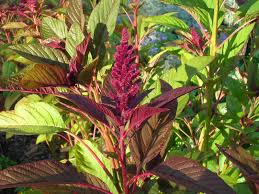
A little internet research showed me that the "weed" amaranth has an even higher protein content in its leaves. So pure vegetable protein is possible with this process of making leaf curd or leafu. It now becomes possible to meet native protein needs from readily available plant sources - a much more sustainable practice. Animal protein - still the biologically preferable protein source for humans - is very resource intensive. It may not be available to us in the future.
So if you are feeling adventurous, try making some leafu plant protein extract from edible leaves. Add it to smoothies, bake it into miracle protein bread, dry it and add it to salads, or anything you desire. It is powerful nutrition you can feel good about.
Take care,
David
Come on by and check us out.
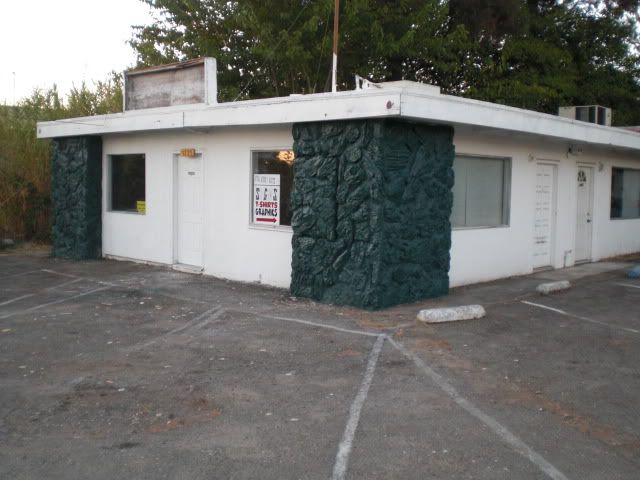
If you are coming from the Roseville area you could come down Sunrise Blvd, but that is a long trek. It is probably shorter timewise to come down Auburn Blvd - San Juan Ave like you have been for the Sunset office, but instead of turning left at Sunset, keep going straight 3 more lights to Fair Oaks Blvd and turn left. Go down 2 lights to New York Ave, go through the intersection, and immediately turn into the turn lane once the center divider ends. We are on the left.
We are looking forward to seeing all of you at our new location.
And Thanks again to all the wonderful folks that came and helped us move!
Take care,
David
We are Moved!
The new address is at 9725 Fair Oaks Blvd.
__________________________
Fresh Baked Goodies !
by Gypsy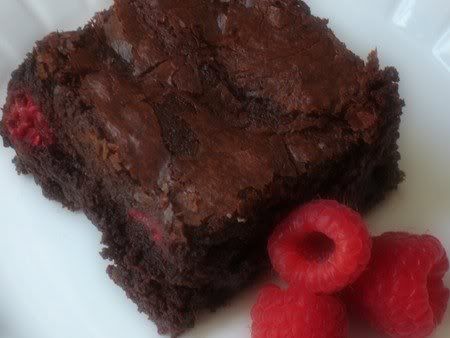
Now in the office...
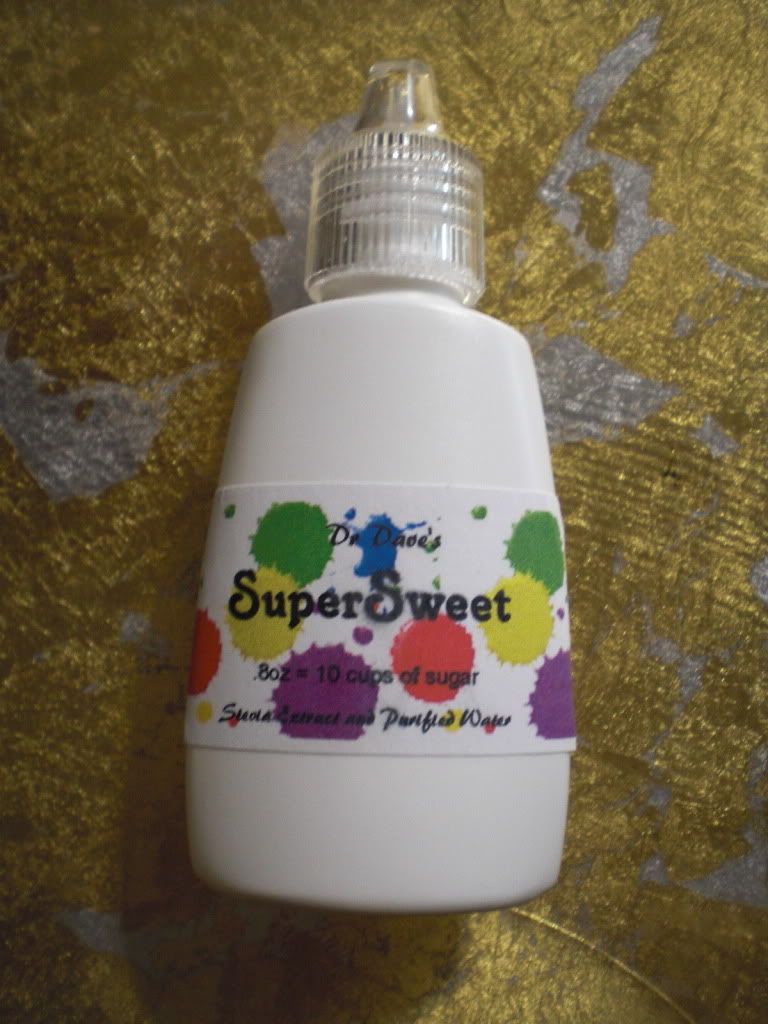
Low carb, sugar free. Made with almond, flax, and coconut fours, Dr Dave sugar substitute, and fresh wholesome natural ingredients. Gypsy even tells me the eggs used are laid by her own hens in her backyard. I can't wait! Why wait till your next appointment - come and get some today while they last!
________________________________
New Exercise Program
Patients are reporting great results with the new back strengthening program I wrote about in the March 18th newsletter. I highly recommend this program for everyone as we all need stronger backs to counter the effects of too much sitting. If you missed this information here is a link to that newsletter.
Special Offer: Free Health Evaluation
Discover your true health status
________
Questions - if you have questions of
a health or growth nature we could discuss in this newsletter, or if
you have comments or ideas about a future newsletter focus please email
me at:
david@fairoakshealth.com
You are free to reprint this article in your newsletter as long as you include the following statement in the same size type and color:
"This article appears courtesy of Fair Oaks Health News, offering natural and healthy solutions for body, mind and soul. For a complimentary subscription,
visit http://www.fairoakshealth.com"
|