|
This newsletter is about the safety of different sweeteners.
July 20, 2012
Sugar, the good and the bad
Hi ,

Most of us love sugar. It is highly addictive and a true passion for most Americans. In 2008 we ate over 136 pounds of the sweet stuff per person in the US. That is a lot of sugar. That is a lot of anything to put into a human body - particularly something that almost never got put into human bodies until just a couple hundred years ago.
Although the extraction of sugar goes all the way back to India in the 8th century BC, it was a rare and very expensive spice known only to the rich. The common man only encountered the sweet flavor as found naturally in fresh and dried fruit, and through the occasional capture of honey from a beehive.

It was not until the 1800's that sugar cane began to be cultivated on a large scale in the tropics, and through the use of slave labor that sugar became available to the average person. Sugar beets, the only other major source of sugar production, became popular in Europe in the late 1800's when sugar importation from the tropics was blocked due to war.
Here we are talking about the everyday white or brown crystallized stuff we all use in cooking, otherwise known chemically as sucrose. And although this is the stuff we all think of as sugar, over the last 50+ years many other sugars have been "discovered" or created just to give us that sweet taste. Lets look at some of these many sugars, how they are used, and how good or bad they may be for our health.
In our last newsletter (#154) I discussed how toxic the overuse of sugar is. Biologically we can process about 1 1/4 teaspoons of sugar per hour healthfully. For comparison, that is about 1/8th of a Snickers bar or 1/2 of a cookie per hour. In that newsletter we discussed not only how bad large amounts of sugar were to the body, but also the dangers of eating a lot at one time (like more than 1/8th of that Snickers bar at one time.)

Sucrose (table sugar) is actually two sugars hooked together - glucose and fructose. Glucose is the form of sugar that floats around in the blood to feed our brain and white blood cells. It is also the form that will trigger a huge release of the hormone insulin when we eat too much at one sitting (meaning more than that 11/4 teaspoons per hour.) Glucose is not particularly sweet - only 70% as sweet as table sugar. Most of the sweetness comes from the fructose which is twice as sweet as the glucose.
Fructose can only be used in very tiny amounts by the body - no more than 15 grams per day - less than 4 teaspoons per day. Any more than that is toxic to the body. It acts on the liver in the same way as alcohol because it uses the same pathways to be metabolized. In fact, fructose is the prime cause of fatty liver disease (cirrhosis) other than alcohol. To neutralize the poisonous nature of fructose our liver transforms it mainly into triglycerides to store in our fat cells. It takes a lot of our liver's resources to do this meaning the liver can not do its job of detoxifying our body while dealing with fructose. Fructose also increases our hunger hormone ghrelin, making us eat more.

Other than what is found in a serving or two of fruit per day, we want to avoid all fructose in our diet. Unfortunately white and brown sugar - even evaporated organic cane juice - is half fructose. Agave syrup can be as much as 85% fructose. Although it does not raise blood sugar like glucose does, it is now found to be the main cause of metabolic syndrome leading to diabetes. It is also a prime culprit in heart disease and obesity.
Because of the toxic fructose in sugar our cookie consumption now has to be reduced to 1/4 cookie per hour. The real message is that we need to get are daily carbohydrates from starch sources rather than sugar sources since starch does not have any fructose in it.
Other natural sugars include maltose and dextrose, which are formed by the breakdown of starches (such as in brewing beer), and lactose, which is naturally found in milk. None of these are very sweet, but in small amounts they will nourish the brain. Just be careful to not use too much as excess will lead to the infamous beer belly.

In the search for sweet sources for the diabetic population over the last 50 years, many other sugars have been developed. Most notably are the sugar alcohols which taste much like table sugar but either do not digest well in the gut or pass through the body without being utilized by the body. Examples of the first type are Mannitol, Sorbitol, Xylitol, Maltitol, and many others. These are frequently used in diabetic and low sugar candies. They work well but have the unfortunate tendency to cause diarrhea and gas.
Erythritol passes through the body without being used, and is therefore the best tolerated digestively of all the sugar alcohols. Glycerol is a small sugar alcohol which does not raise blood sugar at all but that the body can readily use for energy. In fact, our energy stored as fat is all tied together with glycerol molecules.
Another class of sweeteners are the soluble fibers like inulin (found in nature) and polydextrose (made from starch). They do not break down digestively and so do not affect blood sugar, however they are consumed by gut bacteria and converted into small fats that nourish the gut lining.

The last class of sweeteners are the super sweeteners - both natural and chemical. Chemical sweeteners like aspartame, cyclamates, ace-K, sucralose, and saccharine have all been linked to dangerous impacts on body health. Natural super sweeteners like stevia and lo han on the other hand have been found to actually improve the body's blood sugar handling ability.
So how does the score card stand at this point?
The very bad - the chemical sweeteners.
The bad - fructose
The unpleasant - most sugar alcohols
The OK in small amounts - dextrose and fresh fruits
The OK in moderate amounts - erythritol, glycerol, and polydextrose
The good - herbal sweeteners like stevia
At home I use the combination of erythritol and stevia I formulated as Dr Dave Sugar for my sweetening needs, except for the pure stevia SuperSweet drops I use when I make root beer from club soda and root beer flavor extract. In my breakfast protein smoothie I use the glycerol and in my Miracle Bread I use the sweet fiber polydextrose. In fact while I was writing this article I made a batch of chocolate fudge candies out of some of those  very ingredients to give me a very low sugar chocolate sweet treat. very ingredients to give me a very low sugar chocolate sweet treat.
So the big idea of this article is AVOID REGULAR SUGAR and avoid sugar sweetened beverages and foods. They are toxic at the levels we all eat them in. To be safe you would have to eat only 1/4 cookie an hour. That would be too frustrating for me and likely for most of you. So the alternative is to use the better choices for sweetening and save your carbohydrate calories for slowly digested carbs like starchy vegetables and root vegetables. Grain based foods like wheat and corn enter the system too rapidly and create insulin problems and obesity for most people. So they are best avoided also.
Go for a diet of healthy meats, fish, and poultry, above ground and root vegetables, healthy fats like olive, coconut, avocado, and clarified butter, and small amounts of nuts, seeds, and low fructose fresh fruits. Check here for a list of low fructose fruits.
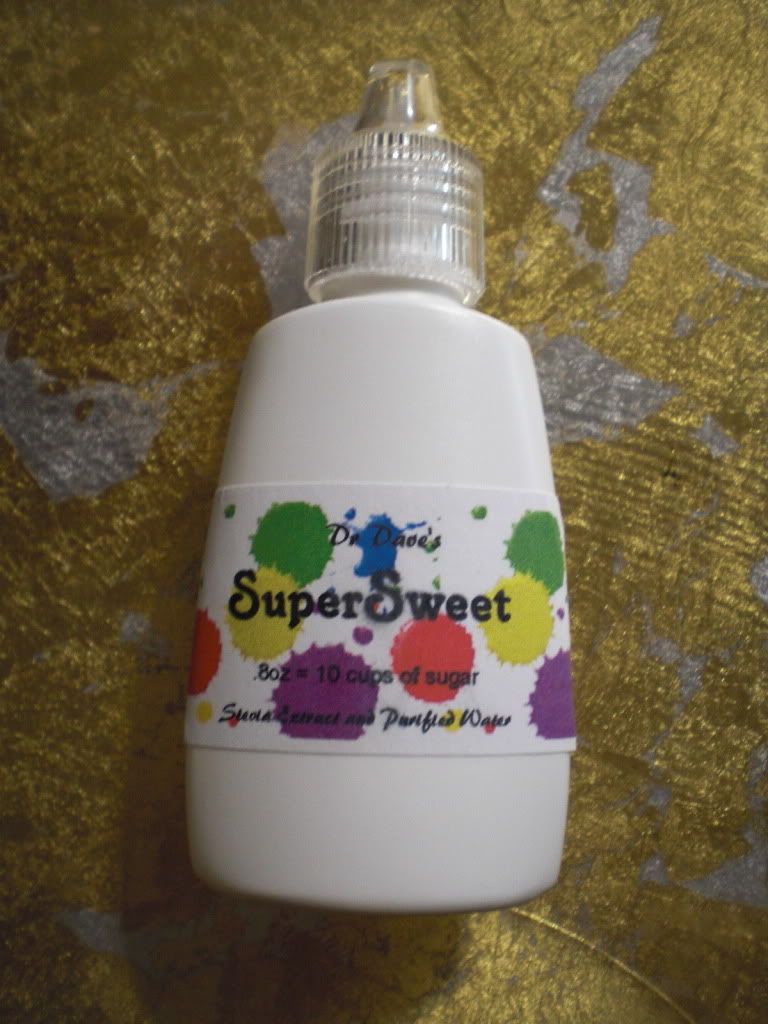
For those occasional sweet treats use low and no impact sources of sweetness as I discussed above. Strong sweetness is a recently acquired taste for humans and does not really have a part in a healthy diet. Other than seasonal fruits (which historically were much less sweet than today's varieties) humans just did not eat sweets. To be healthy we need to only use safe sweets that don't impact our health negatively. Fortunately this can be done.
Take care,
David
Glycemic index link: http://www.mendosa.com/gilists.htm
Work is stalled on the new office as I try to learn the mysterious ways of getting county building permits...
Here is a picture of the new office before we start work on it. Check us out - 9725 Fair Oaks Blvd - between Sunrise and New York.
_______________________________________
Coconut Flour and Coconut Oil
We have the good stuff from Tropical Traditions back in the office again for you. This is not your cheap solvent extracted coconut oil, but coconut oil harvested in the traditional manner - the oil is mechanically squeezed out of the coconut meat without the use of any chemical solvents. These are pure organic coconuts raised without fertilizers or pesticides. Its a little more expensive, but so much better for you.
New Exercise Program
Patients are reporting great results with the new back strengthening program I wrote about in the March 18th newsletter. I highly recommend this program for everyone as we all need stronger backs to counter the effects of too much sitting. If you missed this information here is a link to that newsletter.
Special Offer: Free Health Evaluation
Discover your true health status
________
Questions - if you have questions of
a health or growth nature we could discuss in this newsletter, or if
you have comments or ideas about a future newsletter focus please email
me at:
david@fairoakshealth.com
You are free to reprint this article in your newsletter as long as you include the following statement in the same size type and color:
"This article appears courtesy of Fair Oaks Health News, offering natural and healthy solutions for body, mind and soul. For a complimentary subscription,
visit http://www.fairoakshealth.com"
|