|
This newsletter is about what works for weight loss.
January 22, 2012
Hi ,

Why doesn't someone design a diet that addresses all the known
weight gain factors? Because although people want to lose weight,
people don't really want to diet. So the answer is to try to trick them
into dieting without the discomfort of missing out on their favorite
foods. We want to be able to eat whatever we want and still lose
weight. Notice the weight loss books out there. What do they
advertise? "Lose weight and still enjoy delicious desserts like
cheesecake!" "Eat like a king and lose weight!" "Lose weight eating
sumptuous foods like these..." "Eat anything you want and still lose
weight!" The advertising is amazing, and the pictures of the wonderful
foods you can make from their recipes at the end of each book look
delicious (even though the actual result tastes nasty.)
To get different results in your life, you have to do something
different. As a rule, thin people don't focus on food - that is part of
why they are thin. They don't eat when they are stressed and tend to
be sensitive to and avoid feeling full or over full. This is an example
of the type of focus needed to successfully lose weight and keep it
off. If you want to maintain your current feeling relationship to food
while and after dieting, you will fail. If you are an overweight
person, you have to develop the same relationship to food that a thin
person has. In any aspect of life, if you want what someone else has,
you have to feel what they feel and do what they do to get it.
With that in mind, if you really want to lose weight, lets see just how to do that.
There are four basic food groups:
Carbohydrates and sugars
Proteins
Fats
Non-nutritive Fibers and fluids
Most of us are aware of the first three. The fourth group does not
get a lot of press, but is a vital part of every human diet. On a very
practical level it is carbohydrates and fats that cause us to gain
weight - especially if eaten together. Proteins and fibers help us lose
weight. With just that much basic information, what foods do you think
you should eat to lose weight and what foods should you avoid? What do
the most serious "in hospital" medical weight loss program avoid?
Answer, carbohydrates and fats. What does almost every diet out there
still include - either carbohydrates or fats. Most diets either focus
on being fat-free or carbohydrate-free, but none of the million seller
diets ever suggest eliminating both. No one would buy the diet books if
they did. The thought of giving up your two most favorite food groups
is too much for most people. I have had people literally tell me "what
is the point of living if I can't eat my favorite foods." These are
people who are not ready to do what it takes to be successful at
sustained weight loss.
Guess what, eliminating both does work. It has worked for me.
Basic nutrition science - your body has no need for carbohydrates or
sugars. There are no known deficiency diseases that occur if you
eliminate them completely from your life. So there is no danger in a
diet that eliminates most carbohydrates. There are essential fatty
acids that will cause disease if they are eliminated from the diet,
however the need is for only a few grams of the essential fatty acids -
not a problem with supplements available. So 90% of fats can be
eliminated from a diet without any ill effects. Proteins are another
story - you need proteins every day. Modern research has shown that
adults need at least 70 grams of protein each day - more if the person
is big or very active. Fibers are essential for removing toxic
metabolic waste dumped by the liver into the intestine out of the body.
They are also essential as food for the helpful bacteria in our guts
that protect us from disease. Basic nutritional science supports a
weight loss diet that eliminates carbohydrates and fats.
So without carbohydrates and fats, what is left to eat? I mean we
are talking about eliminating all sugars of all kinds (including organic
agave and maple syrup), all grains and flours, all legumes (these are
not proteins for weight loss purposes because they are 2/3
carbohydrate), all root vegetables, oils, butter, cheese, ice cream,
fatty meats, high fat nuts, all the good stuff. We also leave out fake
sweeteners like Splenda and Nutrasweet as they stimulate blood sugar
swings, so that eliminates most of the pretend commercial diet foods.
So what is left? We eat proteins, non-starchy vegetables, tiny amounts of essential oils, herbs and spices, flavorings like vinegars, non-nutritive fibers, and non-caloric fluids.
Next time we will cover much more detail and other considerations for achieving success.
Take care,
David
Bone Stock
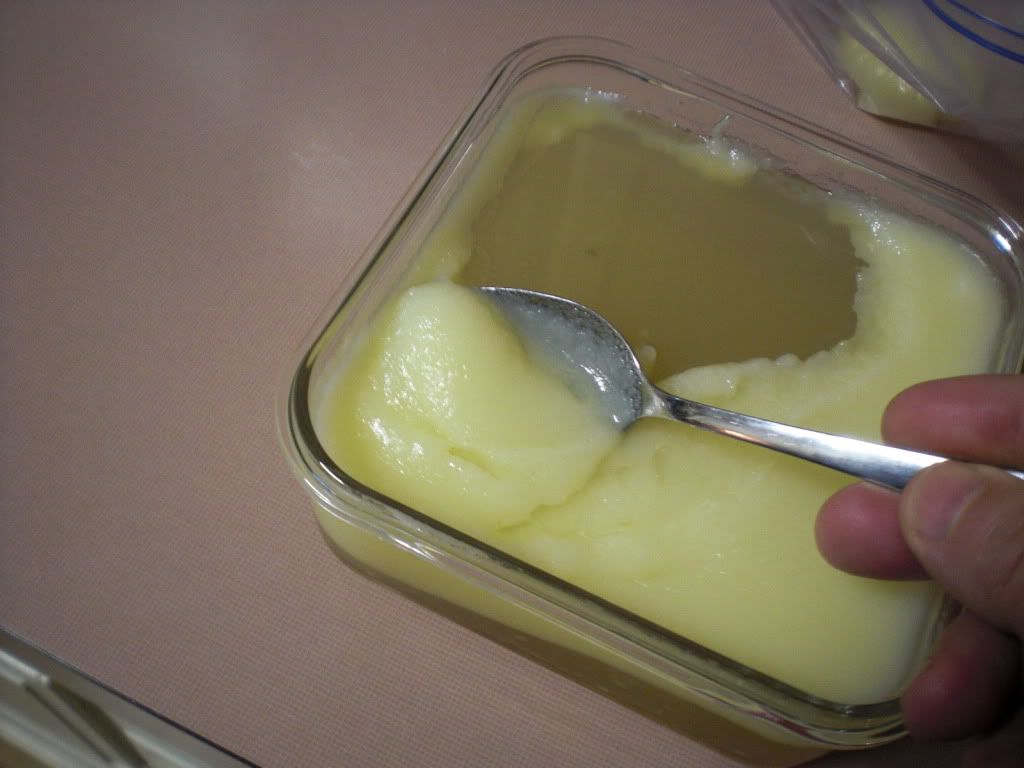
Bone stock is a super healthful basis for any soup or stew. By gently boiling joint bones from beef, chicken, pork, turkey, or any other jointed animal over night, you pull out the protein from the joint into the broth. By adding vinegar to the broth you also pull calcium from the bones into the broth. When you are finished you end up with a gelatin broth. This gelatin is filled with nutrients like glucosamine and chondroitin which help lubricate and repair your own joints. The gelatin broth can be frozen and saved for many months so it is useful to make up a big batch all at once.
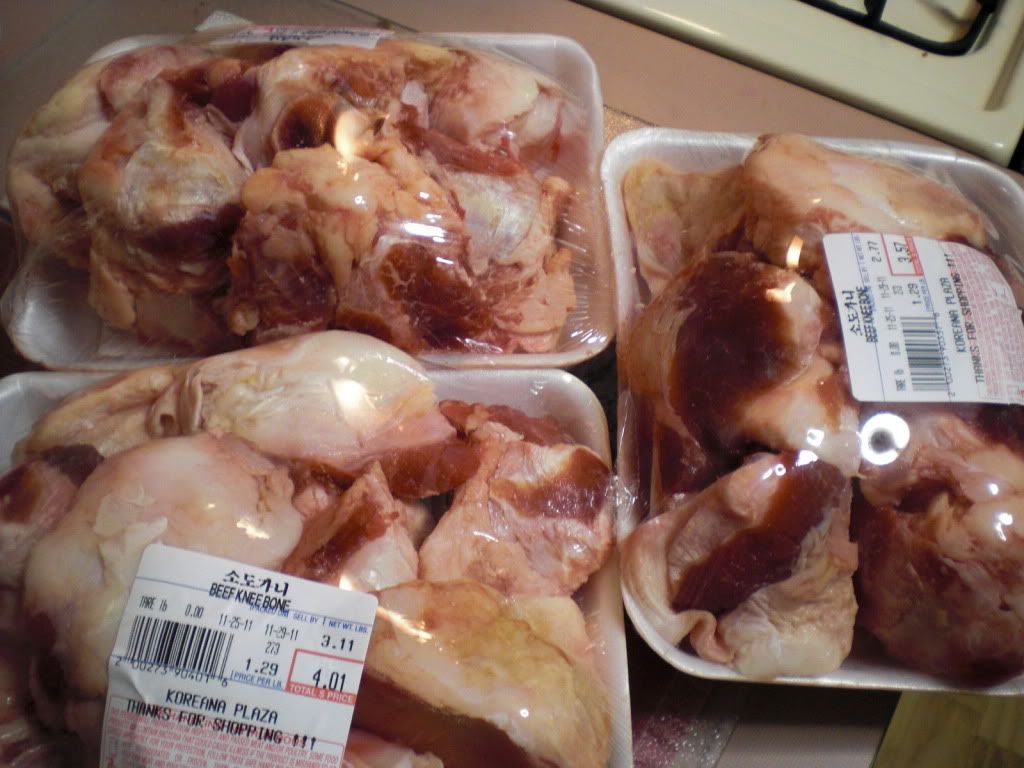
The first step is to get some bones. I save the bones after cooking chicken or turkey in the freezer until I have enough for a good sized pot of stock. You can also purchase soup bones from the market. Organic free-range is best of course, but any joints bones will work.
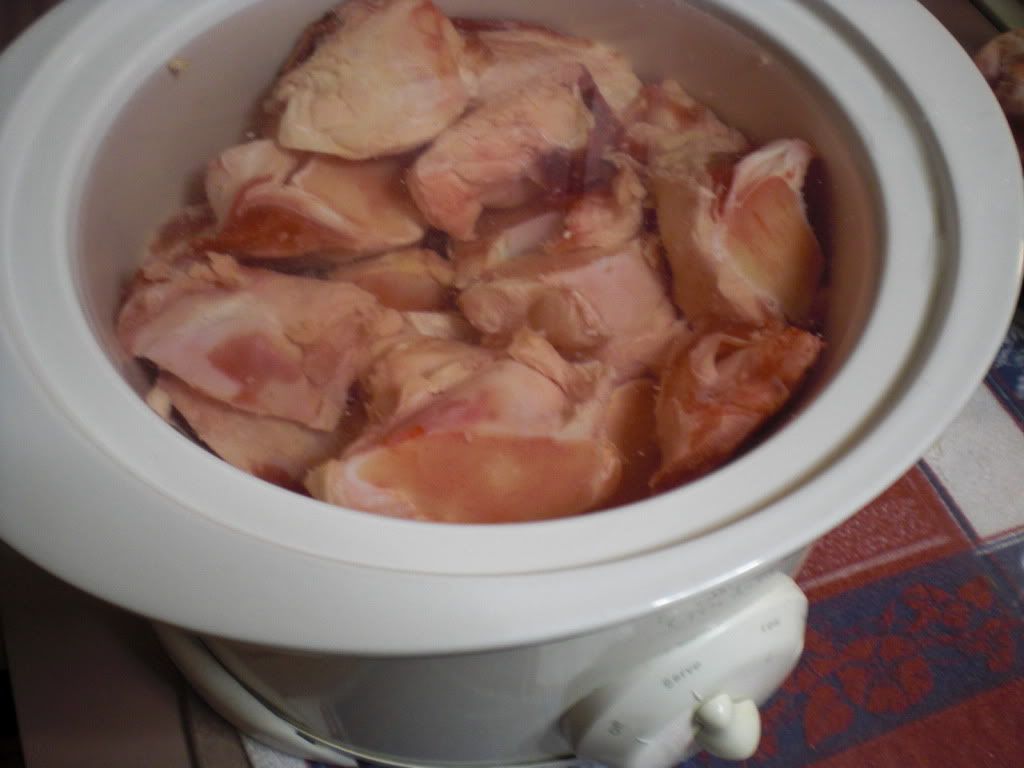
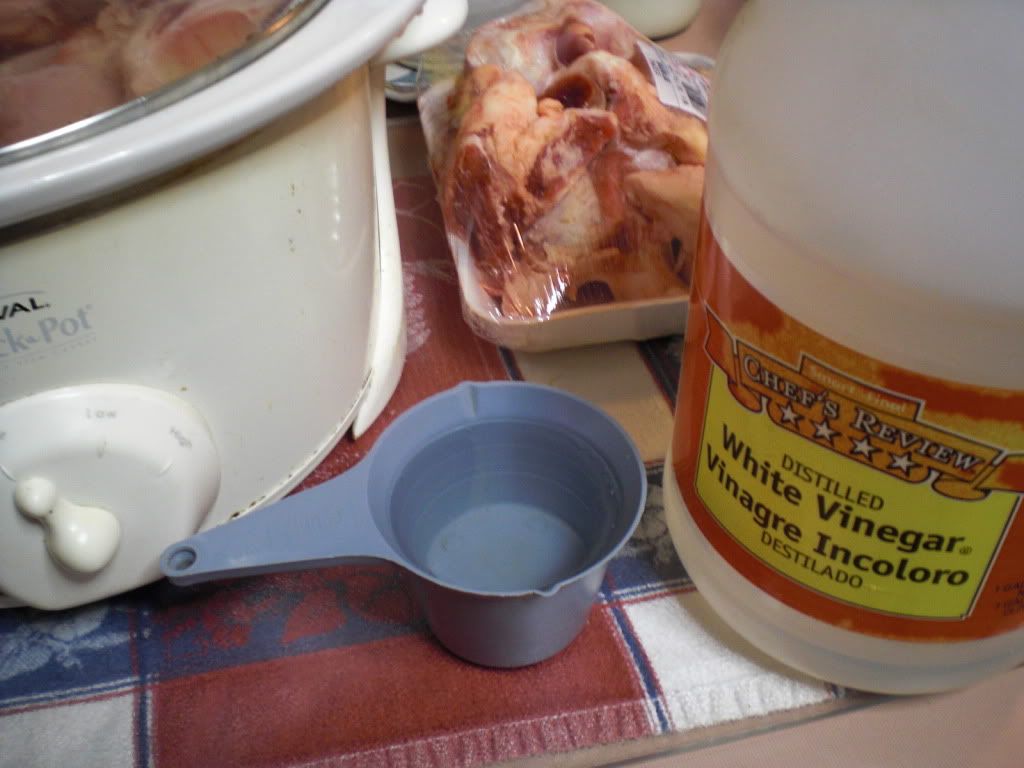
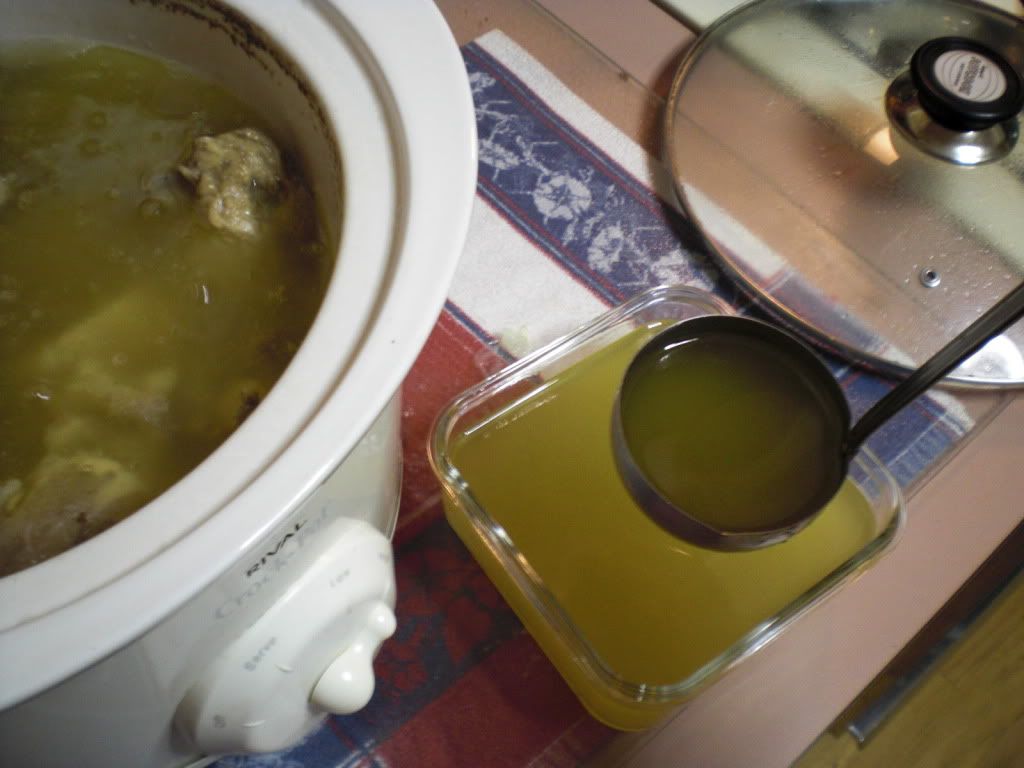
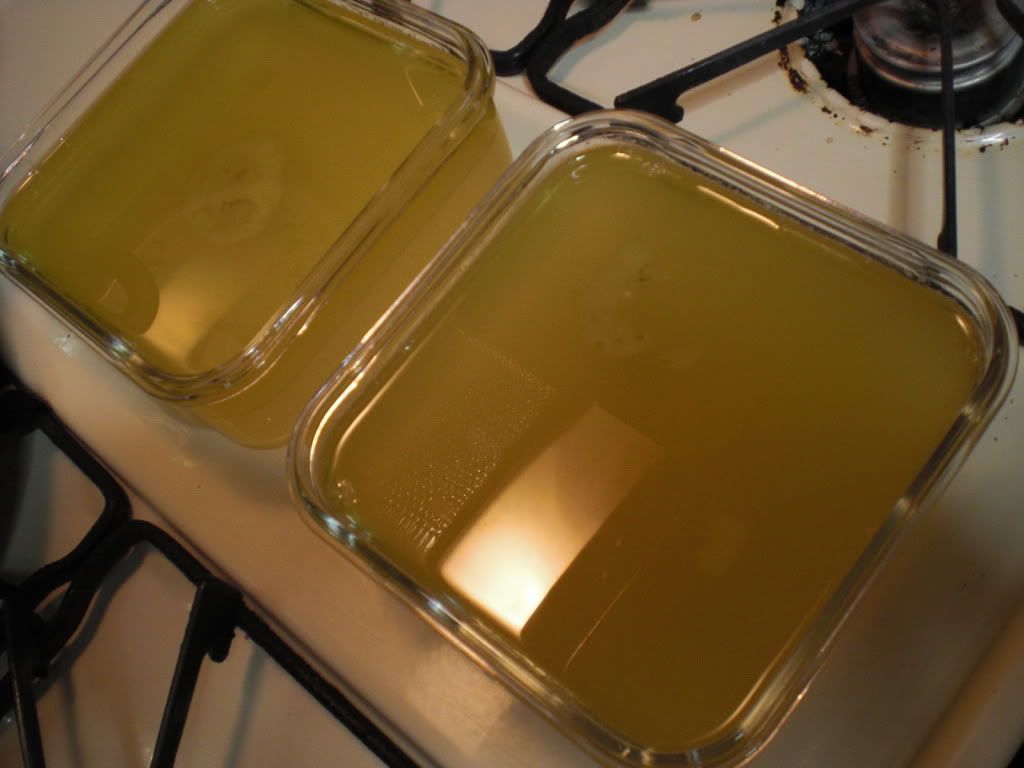
Pack your slow cooker or stock pot with the bones and then fill with good water. To this you want to add 1/2 to 1 full cup of any vinegar you like. Set your crockpot or stock pot to a slow boil, cover it, and let it cook slowly overnight. In the morning the bone stock will be ready to remove into containers for use later (or immediately.)
Let your containers cool a couple hours and then skim off any fat that has congealed on the top (unless you want the extra fat in your soup.) Once finished your containers will be ready to store until you start your next soup or stew. When that time comes just dump 2 or 3 cups into the bottom of your soup pot and begin adding your vegetables and meat as per the recipe you are following.
Special Offer: Free Health Evaluation
Discover your true health status
________
Ouestions - if you have questions of
a health or growth nature we could discuss in this newsletter, or if
you have comments or ideas about a future newsletter focus please email
me at:
david@fairoakshealth.com
You are free to reprint this article in your newsletter as long as you include the following statement in the same size type and color:
"This article appears courtesy of Fair Oaks Health News, offering natural and healthy solutions for body, mind and soul. For a complimentary subscription,
visit http://www.fairoakshealth.com"
|