| Welcome |
|
This newsletter is about gallbladders.
April 10, 2011
Do I need my gallbladder?
Hi ,

Contrary to popular belief, our body does not come equipped with unnecessary parts. Saying "I don't need my gallbladder" is like saying, "I don't need my left leg." Yes, you can live without a left leg, but can you live as well without your leg?
So, what does the gallbladder do for us?
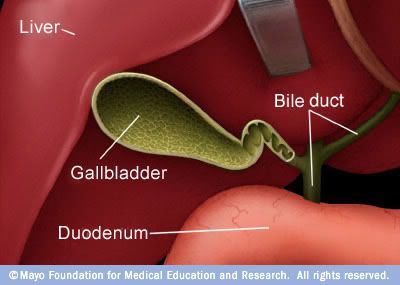
The liver produces a fluid called bile - much the same way our mouth produces saliva. The liver uses this bile for several things. It dissolves poisons and toxins from the body in it to be dumped into the GI tract and eventually out of the body. It also dissolves extra cholesterol and broken down red blood cell components into it for the same purpose. Lastly it secretes two detergents (just like laundry detergent) - bile acid and lecithin into the bile.
Detergents? Yes, and for the same reason as we use them at home. We all know that oil and water do not mix. Combining oil with a detergent allows the oil to mix with water. That is why we use them in our wash - so that we can remove oil stains.
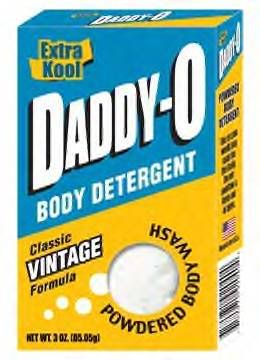
Our body uses them the same way to wash out the oily, waxy cholesterol. More importantly it uses these detergents to make the fats we eat become mixable in water so that our body can absorb them. At least half our source for energy is supposed to come from fats. Many of our vital nutrients and vitamins (A,D,E,&K) are oil based. Without the detergent bile acids and lecithin we would not be able to absorb our oil based food and nutrients.
So what does all this have to do with the gallbladder? 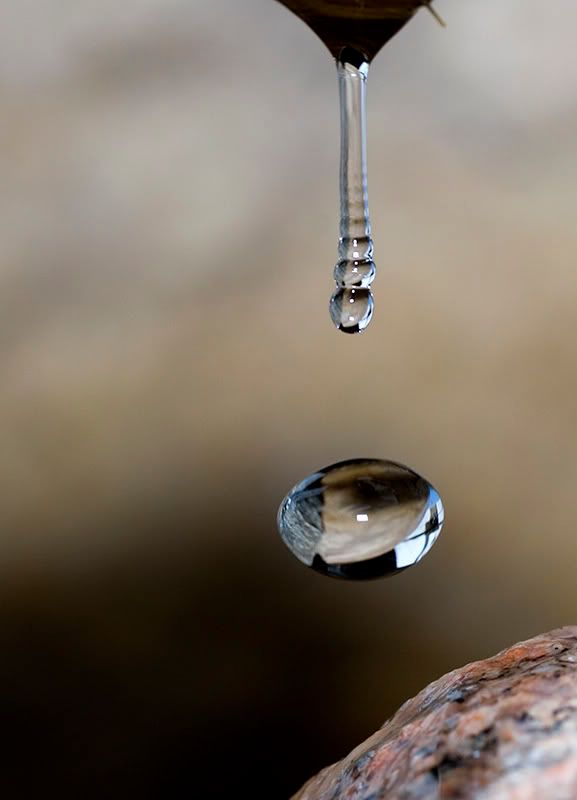 Well the liver continuously produces a small drip of bile fluid all day and night long. But we don't eat in continuous small drips. We eat two or three big meals a day. The gallbladder stores up the bile between meals, concentrates it, and then squirts it out all at once when needed to mix with a meal to make the fats in the meal dissolve in the watery food mixture leaving your stomach after you eat. Once the fats have been dissolved, they can be absorbed into the body through the intestines. Well the liver continuously produces a small drip of bile fluid all day and night long. But we don't eat in continuous small drips. We eat two or three big meals a day. The gallbladder stores up the bile between meals, concentrates it, and then squirts it out all at once when needed to mix with a meal to make the fats in the meal dissolve in the watery food mixture leaving your stomach after you eat. Once the fats have been dissolved, they can be absorbed into the body through the intestines.

So what happens if your gallbladder is removed? Obviously you won't have that big squirt of bile detergents to help you digest your fats anymore, so eating high fat food becomes a problem. There is just no longer enough detergent to break down any big globs of fat from French fries, ice cream, 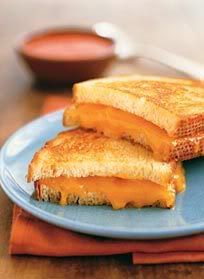 grilled cheese sandwiches, or baby back ribs. Since small amounts of bile are now always dripping into the intestine, some fat will be absorbed, but not big globs. Globs that are not absorbed will tend to cause diarrhea and an overgrowth of bad bacteria in the gut. grilled cheese sandwiches, or baby back ribs. Since small amounts of bile are now always dripping into the intestine, some fat will be absorbed, but not big globs. Globs that are not absorbed will tend to cause diarrhea and an overgrowth of bad bacteria in the gut.
What about the bile acids/detergents that are now dripping into the gut when there is no food fat for it to attach to? These bile acids are very corrosive. They dissolve fats and every cell membrane in our body is made of fats. As you might guess, intestinal irritation results. Often Irritable Bowel Syndrome is diagnosed in the patient a short time after having their gallbladder removed.
As I do an internet search for what to eat after gallbladder surgery I find an amazing lack of useful  information. Most of the online advice is either generic healthy eating guidelines which are often way off base for most folks, or variations of the "prevent gallbladder attacks by eating no fat" advice that is given for when you have an actively inflamed gall bladder. information. Most of the online advice is either generic healthy eating guidelines which are often way off base for most folks, or variations of the "prevent gallbladder attacks by eating no fat" advice that is given for when you have an actively inflamed gall bladder.
Why is this? It is because nobody I have found is dealing with the real cause of the problem in the first place. Nor are they dealing with the digestive adaptations needed to compensate for its removal.
Gallbladders go bad because of chronic inflammation of the GI tract. Some people have a genetic weakness that will cause such inflammation to hit the gallbladder  specifically, while others will have gallbladder trouble due to specific insults to the system. (For instance up to 80% of weight loss surgery patients end up with gallbladder surgery.) Occasionally we have other diseases like insulin resistance, Thalassemia, or Crohn's disease that promote gallstone formation. Hormonal imbalances from either pregnancy or the taking of hormones can trigger gallstones as can the taking of certain antibiotics. specifically, while others will have gallbladder trouble due to specific insults to the system. (For instance up to 80% of weight loss surgery patients end up with gallbladder surgery.) Occasionally we have other diseases like insulin resistance, Thalassemia, or Crohn's disease that promote gallstone formation. Hormonal imbalances from either pregnancy or the taking of hormones can trigger gallstones as can the taking of certain antibiotics.
In short, gallbladder disease is secondary to other health issues. That means that gallbladder problems  are really just a red flag that there are other ongoing health issues that must be attended to. How to deal with gallbladder problems both before and after removal is the same as what must be done to resolve the destruction of the natural balances in the body that create health. Surgery should be only the beginning of a healing journey, not the end. Taking out a diseased gallbladder does nothing to correct the basic causes behind the disease. are really just a red flag that there are other ongoing health issues that must be attended to. How to deal with gallbladder problems both before and after removal is the same as what must be done to resolve the destruction of the natural balances in the body that create health. Surgery should be only the beginning of a healing journey, not the end. Taking out a diseased gallbladder does nothing to correct the basic causes behind the disease.
On a more adaptive diet level, what makes sense to eat after a gallbladder surgery? Remember the slow continuous drip of bile that is now going on rather than the burst of fat dissolving juice? We don't want that bile acid dissolving intestinal lining so very small amounts of fat eaten throughout the day makes a lot 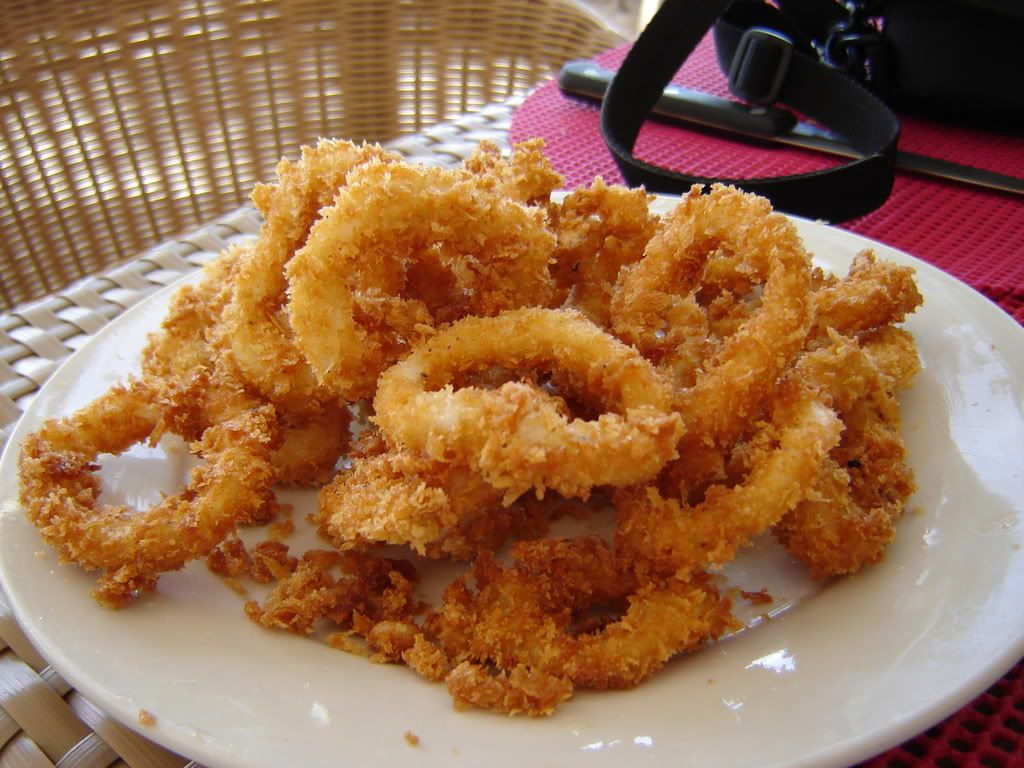 of sense. Your digestion can no longer handle big loads of fat (like with fried foods.) But small amounts throughout the day should help stabilize the system. Just how much will depend on how well your liver is creating the bile in the first place. You have to experiment. of sense. Your digestion can no longer handle big loads of fat (like with fried foods.) But small amounts throughout the day should help stabilize the system. Just how much will depend on how well your liver is creating the bile in the first place. You have to experiment.
Gallbladder disease does not happen overnight. Inflammation there usually means there is inflammation elsewhere in the GI tract. Food sensitivities and intolerances are a common cause of this. Such foods must be tested and either eliminated or rotated in the diet.

Too much sugar and easy to digest starches are a major cause of gallbladder disease. This needs to be eliminated from the diet.
Interestingly, not eating enough fat can cause bile stones by not promoting the discharge of the 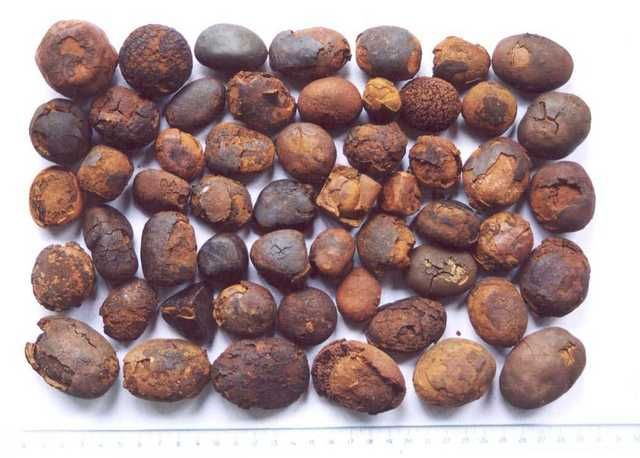 concentrated bile from the gallbladder. As the bile sits there too long, stones tend to precipitate out of the concentrated bile. Your body likes a good regular bile flow. Very low fat / low calorie diets are often implicated in gallstone formation. So the very diet "they" recommend once you have gallstones (to prevent an attack), is the same diet that can cause gallstones. concentrated bile from the gallbladder. As the bile sits there too long, stones tend to precipitate out of the concentrated bile. Your body likes a good regular bile flow. Very low fat / low calorie diets are often implicated in gallstone formation. So the very diet "they" recommend once you have gallstones (to prevent an attack), is the same diet that can cause gallstones.
If you are having trouble digesting even the small 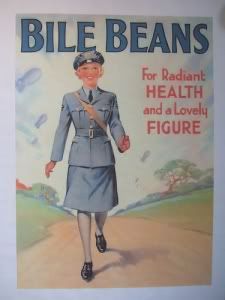 amounts of fat you are eating, you can take bile acids in a tablet form to supplement your body's need for bile acids. This may particularly be needed if you have a colon disease like Crohn's where the recycling of the bile acids that should be taking place is not happening. amounts of fat you are eating, you can take bile acids in a tablet form to supplement your body's need for bile acids. This may particularly be needed if you have a colon disease like Crohn's where the recycling of the bile acids that should be taking place is not happening.
After surgery you have a wound area in the digestive tract with the typical increased inflammation you would expect. That means the gut will be sensitive. Don't  eat things that will irritate a sensitive gut. Keep away from any scratchy foods (like raw veggies, popcorn, chips, bran, etc), spicy foods, acidic foods, and anything you were intolerant of before the surgery. eat things that will irritate a sensitive gut. Keep away from any scratchy foods (like raw veggies, popcorn, chips, bran, etc), spicy foods, acidic foods, and anything you were intolerant of before the surgery.
Deep research and lab testing into any underlying health issues is called for once you begin to adapt to you new dietary style. I would recommend going through my anti-inflammatory diet protocols as a start and working up from there.
Health can be regained after a gallbladder has been  removed, however your old dietary lifestyle has now been forever changed as you have had to remove a major player in your digestion of food. removed, however your old dietary lifestyle has now been forever changed as you have had to remove a major player in your digestion of food.
Take care of yourself.
Good Journey,
David
Experience Ellen's Life Coaching Process during her Free Health Exam
Discover your true health status
________
Ouestions - if you have questions of a health or growth nature we could discuss in this newsletter, or if you have comments or ideas about a future newsletter focus please email me at:
david@fairoakshealth.com
|
H
|
On the Wire
|
|
This section will be sent out separately.
You are free to reprint these articles in your
newsletter as long as you include the following statement in the same
size type and color:
"This article appears courtesy of Fair Oaks Health News,
offering natural and healthy solutions for body, mind and soul. For a
complimentary subscription, visit http://www.fairoakshealth.com"
_________________________________________________
|
| |
|
|
|
|
|
|
|
|
|
_______________
to check on old newsletters
_______________
About Dr. DeLapp |
|
|
|
|
|
|
|
|
|
|
|
Dr. DeLapp has been a philosopher, non-force Chiropractor, medical intuitive, and health innovator for over 30 years. He began experimenting with medical intuition in 1972 while studying physics at UC Davis. In addition to physics he designed and completed an individual major in the philosophy and psychology of education. Shortly after he choose to pursue a career in the only truly health oriented profession available at that time, Chiropractic. He graduated with honors in 1981 with his doctorate and opened a private practice.
Since that time he has continued his research into the effects of consciousness and learning on health.
He developed the Biomagnetic Retraining system for correcting movement abnormalities.
Since 1991 he has focused on developing a powerful system for uncovering and assisting the mind-body connection in health and personal growth. The in-depth coaching, guided by the subconscious direction from the body, is called Heartflow and the simpler mind-body retraining for health and unfoldment he has named Gracework. Both are available at Fair Oaks Health.
Fair Oaks Healing
& Arts Center
Staff
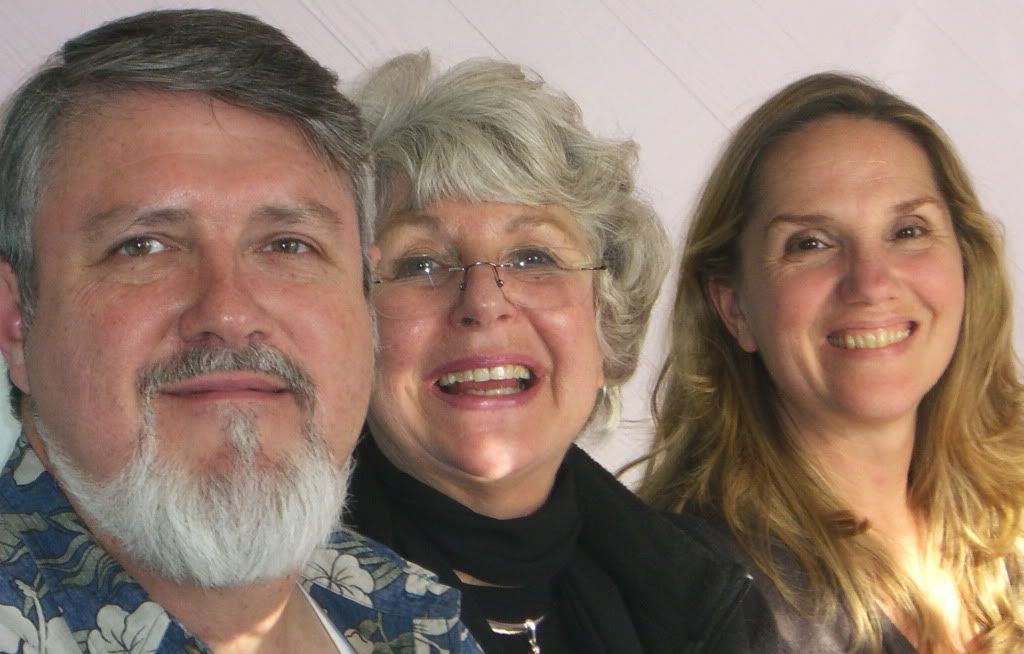
Dr David DeLapp DC
Chiropractor
Ellen Flowers FGM
Spiritual Life CoachEnergetic Nutritionist
Health Care Coordinator
Susan Richardson
Office Manager
Front Desk
Gypsy Andrews
Lifestyle Support Front Desk
Susan McDonald
Somatic Therapies
Lorena Morales
Massage
Catherine Cummings
Jin Shin Jitsu
|
|
|
| |