|
This newsletter is about aerobic exercise and interval training.
January 26, 2011
Is aerobic exercise bad for you?
Hi ,
Next to weight loss the most popular New Year's goal is to get back into shape. The most common thing that means to people is hitting the gym for some aerobic exercise and weight training. If you are older, getting in shape might mean clipping on the pedometer and getting your 10,000 steps a day. The medical community has finally caught on to the need for exercise to prevent osteoporosis and decrease obesity. How sound is this advice? to get back into shape. The most common thing that means to people is hitting the gym for some aerobic exercise and weight training. If you are older, getting in shape might mean clipping on the pedometer and getting your 10,000 steps a day. The medical community has finally caught on to the need for exercise to prevent osteoporosis and decrease obesity. How sound is this advice?
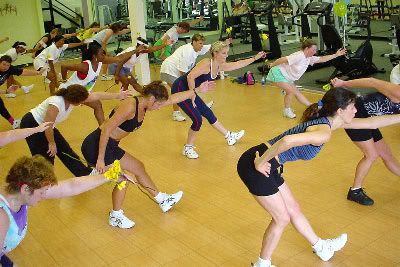
I recently read an exercise physiology article that suggested that aerobic exercise was bad for you. It pointed out that chronic prolonged aerobic exercise actually decreases muscle size and strength. There is also the paradox of the long distance runners. They look lean and healthy, but they have a much higher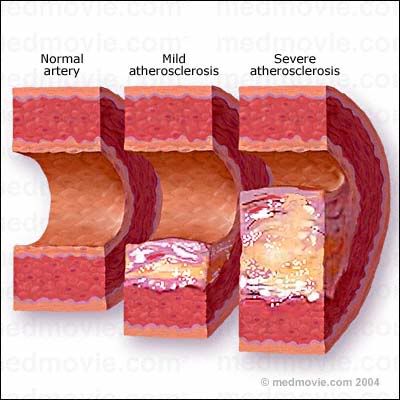 incidence of scar tissue formation in their arteries (atherosclerosis). Why is that? incidence of scar tissue formation in their arteries (atherosclerosis). Why is that?
The answer to this question lies right in the name of the exercise - aerobic. Aerobic means "more oxygen". Oxygen is what your cells need to manufacture the energy to do everything. Little energy factories in your cells called mitochondria take oxygen and use it to burn sugars and fats in the same way your fireplace needs oxygen to burn wood. 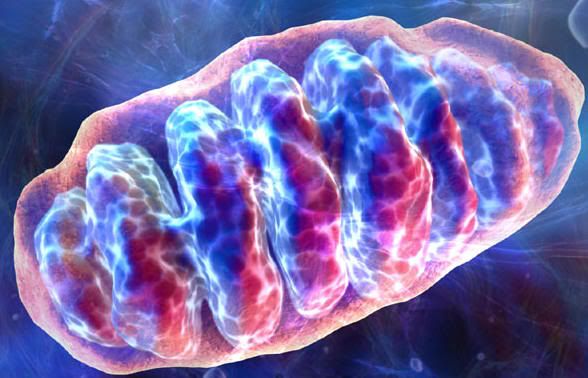 As the mitochondria burn the sugars and fats they cook up little energy packets called ATP. ATP is the basic energy molecule everything in our body runs on. As the mitochondria burn the sugars and fats they cook up little energy packets called ATP. ATP is the basic energy molecule everything in our body runs on.
So what could be wrong with that? Answer: nothing. In fact aerobic exercise increases the number and efficiency of your energy factories so that you can produce more energy molecules. More energy molecules means you have more energy to go longer and farther, more endurance. Aerobics builds endurance ...but at a price. Oxygen is dangerous 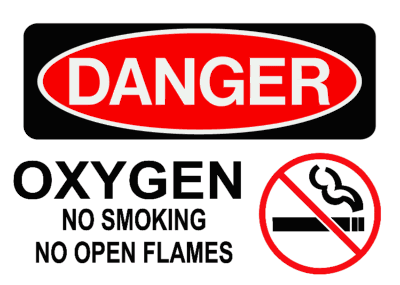 stuff. More oxygen is literally playing with fire. The increased oxygen gets all over the place and likes to burn everything it comes in contact with. This is why long distance runners have more scar tissue in their arteries. The increased oxygen levels have burned their arteries. stuff. More oxygen is literally playing with fire. The increased oxygen gets all over the place and likes to burn everything it comes in contact with. This is why long distance runners have more scar tissue in their arteries. The increased oxygen levels have burned their arteries.
Our body has a built in answer for this - antioxidants. These anti - oxygen molecules are supposed to stop the excess oxygen from damaging our tissues. But our  levels of antioxidants decrease every year we age. That is why so many studies have been coming out touting the anti-aging benefits of eating dark fruits that are high in antioxidants like blueberries and pomegranates. This is to compensate for our gradually decreasing levels of natural antioxidants (mainly glutathione) that our body is no longer creating. (Personally I take glutathione every morning as a transdermal cream.) levels of antioxidants decrease every year we age. That is why so many studies have been coming out touting the anti-aging benefits of eating dark fruits that are high in antioxidants like blueberries and pomegranates. This is to compensate for our gradually decreasing levels of natural antioxidants (mainly glutathione) that our body is no longer creating. (Personally I take glutathione every morning as a transdermal cream.)
While aerobics may be exhausting as it builds your endurance, it is still only a mild to moderate exercise in terms of maximum strength use of your muscles. Your body is very conservative. Use it or lose it is absolutely the rule. If you do not push yourself to the limit, your body will lower your limit to the level you do push to. If all you do is mild to moderate strength activities, your strength will decrease to mild to moderate levels. Aerobic activities do not build stronger muscles. They do build greater endurance, but not strength. the rule. If you do not push yourself to the limit, your body will lower your limit to the level you do push to. If all you do is mild to moderate strength activities, your strength will decrease to mild to moderate levels. Aerobic activities do not build stronger muscles. They do build greater endurance, but not strength.
So is aerobic exercise bad for you? If you are young and/or have high levels of antioxidants then it is probably just fine. But it is not enough to stay healthy. It is not enough to slow down osteoporosis and it is not enough to keep you able to do activities that require that extra push of strength now and then.
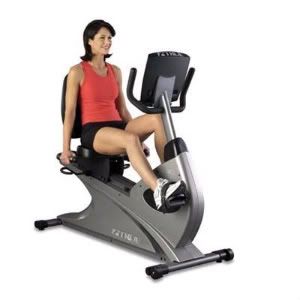 If you are not young (in your 20's and 30's) or if you just want a better way to achieve the cardiovascular endurance benefits that aerobic exercise produces then you want to do what is called interval training. You get even greater benefits than traditional aerobic cardio because you are pushing the limits of your capacity with interval training. Plus, as an added benefit, interval training takes about a quarter the time that regular aerobics takes - about 15 minutes. If you are not young (in your 20's and 30's) or if you just want a better way to achieve the cardiovascular endurance benefits that aerobic exercise produces then you want to do what is called interval training. You get even greater benefits than traditional aerobic cardio because you are pushing the limits of your capacity with interval training. Plus, as an added benefit, interval training takes about a quarter the time that regular aerobics takes - about 15 minutes.
What does interval training look like? It looks like  pushing yourself to go as fast as you possibly can with whatever you are doing for only 20 to 30 seconds then slowing down to a gentle easy pace for the next minute and a half - then pushing to the max again for another 20 to 30 seconds. You repeat this cycle 5 to 8 times - fast then slow over and over 5 to 8 times. You can do this with bicycling, running, rowing, stair stepping, elliptical training, cross country skiing machines, treadmill running, stationary bikes, recumbent bikes, whatever. The idea is you push your self As hard as you can for a short time then spend a brief time recovering before you do it again. If you are just starting to get into shape go only 20 seconds and 5 rounds of fast then slow. As you get into better shape you work up to 30 seconds and 8 rounds. pushing yourself to go as fast as you possibly can with whatever you are doing for only 20 to 30 seconds then slowing down to a gentle easy pace for the next minute and a half - then pushing to the max again for another 20 to 30 seconds. You repeat this cycle 5 to 8 times - fast then slow over and over 5 to 8 times. You can do this with bicycling, running, rowing, stair stepping, elliptical training, cross country skiing machines, treadmill running, stationary bikes, recumbent bikes, whatever. The idea is you push your self As hard as you can for a short time then spend a brief time recovering before you do it again. If you are just starting to get into shape go only 20 seconds and 5 rounds of fast then slow. As you get into better shape you work up to 30 seconds and 8 rounds.
 Muscle strength only builds when you ask your body to do more than it can currently do. As long as you keep within your current limits you will gradually lose strength. There is no level plateau with the body's muscles - you are either working uphill or sliding downhill in health and strength. The same is true for weight lifting to build muscle size and strength. If you don't push your muscles to always trying to do more than they could before, they don't grow stronger. Growth requires challenge. No growth happens when things are easy...not in the gym and not in life. Muscle strength only builds when you ask your body to do more than it can currently do. As long as you keep within your current limits you will gradually lose strength. There is no level plateau with the body's muscles - you are either working uphill or sliding downhill in health and strength. The same is true for weight lifting to build muscle size and strength. If you don't push your muscles to always trying to do more than they could before, they don't grow stronger. Growth requires challenge. No growth happens when things are easy...not in the gym and not in life.
Good Journey,
David
Announcement
I am now adding Vitamin C to the Miracle Protein Bread! A full 4 grams per loaf! That is 2-3 times the minimum recommended daily dose per slice, or equal to 2-3 oranges.
I have just finished creating three new Miracle Protein Bread Enhancers. These are flavor enhancement packages for the Miracle Protein Bread basic mix. Now you can turn your Miracle Protein Bread into delicious Dark Chocolate Cake Bread, Lemon Poppy Seed Bread, and a Dieter's Super Fiber Bread. The Chocolate Bread and the Lemon Poppy Seed are sweetened with Dr Dave's Super Sweet Powder so they are NO SUGAR, very low Carb, high protein, and high fiber, good for you delicious treats.
The Dieter's Super Fiber enhancer increases the fiber level to 8 grams per slice! One slice with a glass of water before each meal and you will feel filled up before you even start to eat your meal. This fiber gives the Miracle Bread a look, feel, and taste of a whole grain bread.
Plus! I have increased the Magnesium content of the bread mix to promote greater ease and relaxation in your nervous system. Magnesium and potassium support the functioning of your anti-stress nervous system, the parasympathetic nerves. This promotes better digestion, greater ease in your muscles, and about a few hundred other things.
Take your Miracle Bread to new heights of eating pleasure. Enjoy! In the office now.
Experience Ellen's Life Coaching Process during her Free Health Exam
Discover your true health status
________
Ouestions - if you have questions of a health or growth nature we could discuss in this newsletter, or if you have comments or ideas about a future newsletter focus please email me at:
david@fairoakshealth.com
|