|
This newsletter is about the Hidden Causes of Low Back Pain
Oct. 10, 2010
The Hidden Causes of
Low Back Pain
Hi ,
What Are the Hidden Causes of Low Back Pain?
When most of us think of low back pain the first thing that comes to our minds is that we must have lifted something wrong. Although this is the most obvious setup for a low back injury, I find lifting to be the cause only 20% of the time in my patients. 
So what is the most common cause of low back pain?... muscle imbalance. Specifically the muscles that attach to the front of the spine and travel through the abdomen to the front top of the hips (psoas muscles) have gotten much tighter than the low back muscles on the back of the spine. This imbalance has three common causes:
Gut inflammation
Emotional tension
Sitting too much
So even though we still have to treat the pinched joints to relieve the pain, the problem keeps coming back until we address the underlying cause.
So how do we do that?
Gut Inflammation: what's that got to do with the low back?
Simply put, the pain nerves from the gut go into the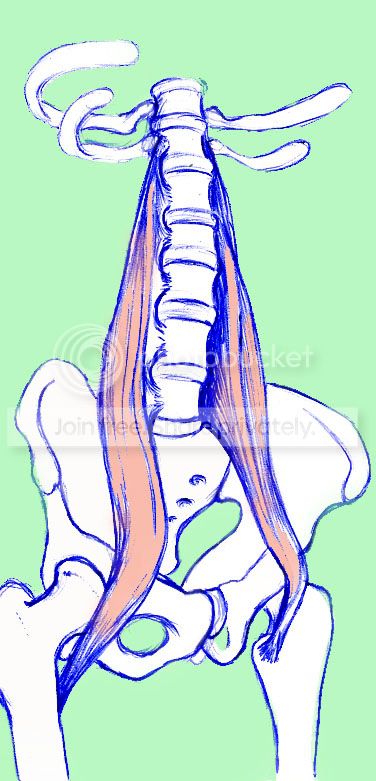 spine and stimulate contraction of the psoas muscles, which pull the low back forward. With intense gut pain this becomes obvious as the muscles double you over in pain. The same thing happens with Kidney pain, as anyone who has had a kidney stone will tell you. But when the pain is less intense, the low back is pulled forward just enough to squeeze the joints too tightly together. From this compromised position minor activities that normally wouldn't bother you now create low back joint swelling and inflammation. The extra stimulation of the trunk muscles that bend you forward overwhelm the back spinal muscles that hold you upright. spine and stimulate contraction of the psoas muscles, which pull the low back forward. With intense gut pain this becomes obvious as the muscles double you over in pain. The same thing happens with Kidney pain, as anyone who has had a kidney stone will tell you. But when the pain is less intense, the low back is pulled forward just enough to squeeze the joints too tightly together. From this compromised position minor activities that normally wouldn't bother you now create low back joint swelling and inflammation. The extra stimulation of the trunk muscles that bend you forward overwhelm the back spinal muscles that hold you upright.
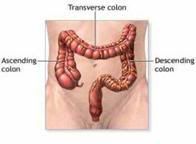 Crohn's disease, Irritable Bowel disease, and Ulcerative Colitis would be obvious conditions where low back pain referral and instability are common. While I see a lot of patients with these diseases triggering their low back problems, I see just as many with much simpler conditions. Everything from too much pizza and soda the night before to food sensitivities to poor digestion from low HCl and enzymes to irritated valves in the colon from popcorn and other scratchy foods. Your digestive tract is very sensitive. A lot can go wrong there. Anything that goes wrong there can end up in your low back. Crohn's disease, Irritable Bowel disease, and Ulcerative Colitis would be obvious conditions where low back pain referral and instability are common. While I see a lot of patients with these diseases triggering their low back problems, I see just as many with much simpler conditions. Everything from too much pizza and soda the night before to food sensitivities to poor digestion from low HCl and enzymes to irritated valves in the colon from popcorn and other scratchy foods. Your digestive tract is very sensitive. A lot can go wrong there. Anything that goes wrong there can end up in your low back.
What to do? It all comes down to diet and stress.  People eat crap. I am sorry, but if what you eat has an ingredient label on it, it is most likely crap. Crap poisons your gut. Fresh vegetables do not come with labels, nor does fresh fruit, or fresh meat. Fresh is what we are after if we want to improve our diet and make our guts happy; freshly prepared foods from fresh ingredients. Once the gut is unhappy it also needs to be treated gently. You need to avoid rough scratchy foods that will damage the gut lining for a couple weeks while it heals up. Also avoid strong spicy foods like black pepper. Steam your vegetables and stay away from chips and popcorn. People eat crap. I am sorry, but if what you eat has an ingredient label on it, it is most likely crap. Crap poisons your gut. Fresh vegetables do not come with labels, nor does fresh fruit, or fresh meat. Fresh is what we are after if we want to improve our diet and make our guts happy; freshly prepared foods from fresh ingredients. Once the gut is unhappy it also needs to be treated gently. You need to avoid rough scratchy foods that will damage the gut lining for a couple weeks while it heals up. Also avoid strong spicy foods like black pepper. Steam your vegetables and stay away from chips and popcorn.
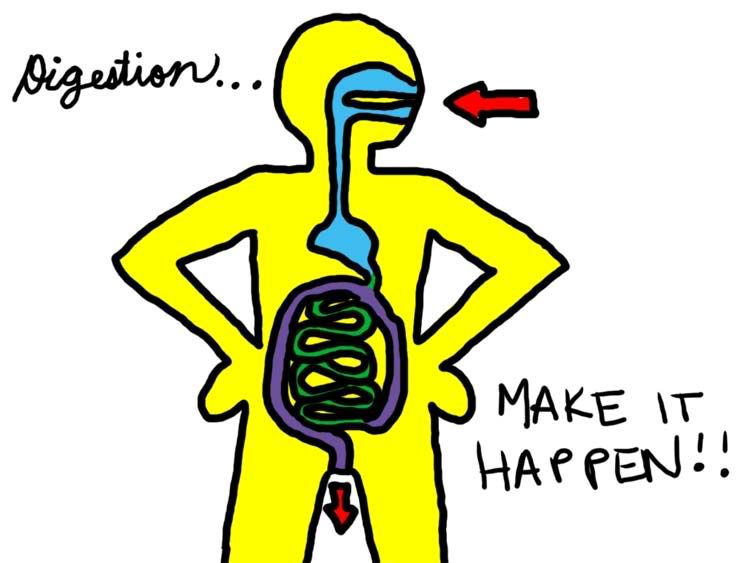
If your digestion is not in tiptop shape, your gut gets inflamed. If your stomach acid is too low or your enzymes are low, you will not digest your food completely, which triggers the overgrowth of nasty bacteria in your gut. Taking medications for acid reflux (which is actually caused by not enough acid production) will block digestion. Many medications interfere with digestion, as will food allergies and sensitivities. To settle down your gut and its effects on your low back means improving your digestion. We have to stop eating foods that upset the gut and decrease the meds or change them to other types that will relieve the negative impact on the gut. Just remember: An unhappy gut equals an unhappy low back.
Emotional Tension: the stress connection.
There are two primary ways in which emotional tension triggers low back pain. One way is through affecting the gut as described above except here we are dealing with the ability of stress to inflame the gut directly. Our guts are very reactive to stress. The stomach can develop ulcers within 24 hours when we are under stress. Stress can cause our digestion to go crazy and flush us out or it might shut down digestion all together.

The other primary way stress affects the low back is by directly creating tension in the muscles of the low back. Your psoas muscles are called the trauma muscles. They react to any kind of upset or stress by getting tight. What really throws people is that these muscles react to stress that we are not even conscious of.
Unconscious stress - the stuff that we have stuffed into the back of our minds, really shows up in our psoas muscles. There are entire courses on personal safety that teach you to pay attention to your gut feelings whenever you enter a new situation to see if you feel safe. What they are talking about is attending to the tension in your psoas and core muscles. These muscles attach to the front of your spine and travel right through your gut to attach to the front of your thigh. Tension in the psoas triggers tension in the abdominals, diaphragm, and lumbar stabilizer muscles. These muscles tighten up in response to stress to prepare us for flight or fight before we are even aware of a need to 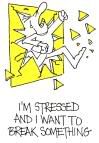 fight or run. Our psoas muscles want to lift our legs up and start us moving while leaning us forward to keep us balanced as we sprint into action. The problem is that in modern life we usually have to choose the third option, which is to freeze, to suppress our desire to fight or run and just do nothing. Well our psoas isn't getting the message and it is jamming our back forward and pinching the back joints while trying to get us away from danger. So, more back pain. fight or run. Our psoas muscles want to lift our legs up and start us moving while leaning us forward to keep us balanced as we sprint into action. The problem is that in modern life we usually have to choose the third option, which is to freeze, to suppress our desire to fight or run and just do nothing. Well our psoas isn't getting the message and it is jamming our back forward and pinching the back joints while trying to get us away from danger. So, more back pain.
Solution? Learn better skills for relating to life so that we don't end up getting stressed in the first place. Heartflow is good for this. We can also develop relaxation skills to let go of unavoidable stress. Walking, meditating, sharing with friends and family, all are good for helping to relieve the tension. Keeping our blood sugar balanced is an important key to keeping our mood up so we can handle life better. Roller-coaster blood sugar creates roller-coaster mood swings, which creates tension and then low back pain.
Sitting too much: how much is too much?
How long you can sit will depend upon the strength, tone, and balance of your low back muscles. If these are in good shape you can sit for hours without difficulty. The problem is that the very act of sitting weakens and unbalances these muscles. If you are not getting enough exercise and balance stimulation each day to these muscles, the length of time you can sit without problems gets shorter and shorter. This problem has been greatly amplified with the development of computers. It used to be that a desk  job involved lots of reaching, twisting, and bending into file cabinets, which would exercise the balance muscles. Now the files are digital and on the computer so that exercise is gone. job involved lots of reaching, twisting, and bending into file cabinets, which would exercise the balance muscles. Now the files are digital and on the computer so that exercise is gone.
Solution: you must exercise your core stabilizer muscles around your abdomen - both with movement and with held tension to balance against gravity. I am talking about at least an hour a day minimum, so this is something that needs to be incorporated into other activities you are doing. Very few of us have the time every day to go to a Yoga, Pilates, or Tai chi class. My simplest recommendation is to spend 2 or 3 half-hour sessions bouncing and sitting on a chair height therapy ball while working at your desk. Actively bounce, bend, and twist while you work. If work won't allow you to have a ball, then do this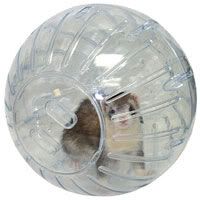 at home while watching television, eating dinner, and other home activities. This may seem silly, but the body demands that these muscles get a workout every day. The alternative is chronic back pain. at home while watching television, eating dinner, and other home activities. This may seem silly, but the body demands that these muscles get a workout every day. The alternative is chronic back pain.
Well that covers the Triple Crown of low back pain. Keep your gut happy, keep your mood up, and keep your core muscles strong. These are the keys to a strong back.
Good Journey,
David
Experience Ellen's Life Coaching Process during her Free Health Exam
Discover your true health status
________
Ouestions - if you have questions of a health or growth nature we could discuss in this newsletter, or if you have comments or ideas about a future newsletter focus please email me at:
david@fairoakshealth.com
|