|
This newsletter is about the Inconvenience of health
and the New Supersweet liquid sugar replacer
September 12, 2010
Health is Inconvenient
Hi ,
First a bit of excitement; I have just created a new product to help you shift away from the health destroying use of sugar in your diet without having to give up your desire for the sweet taste.
Announcing:
Supersweet 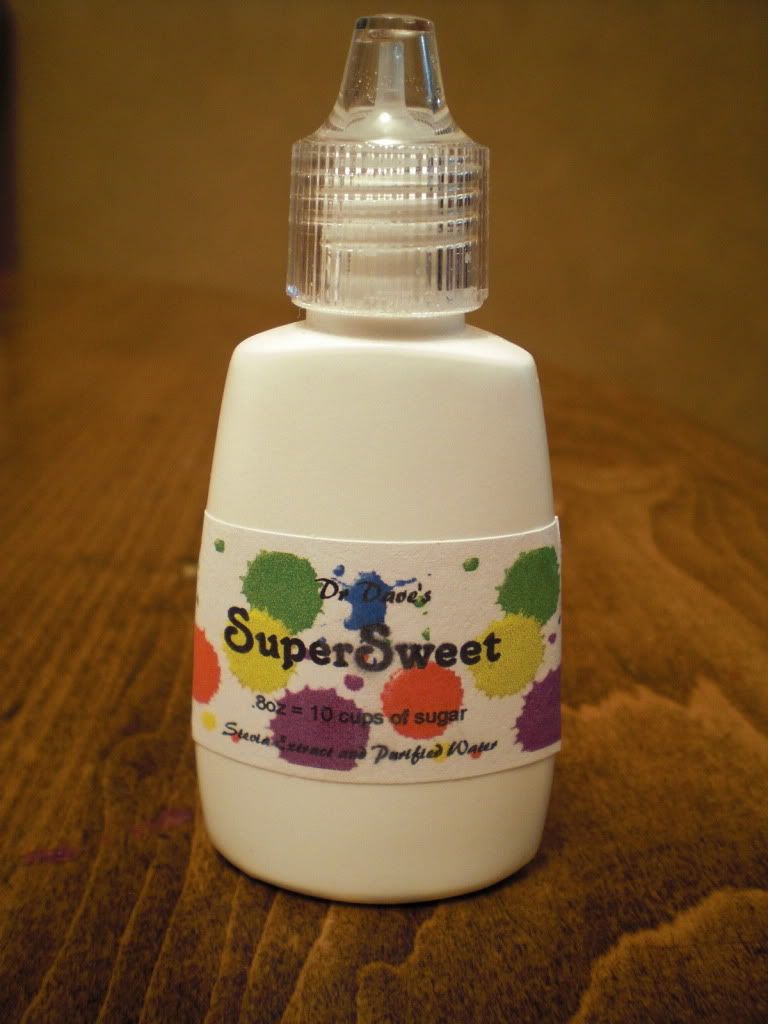
The Liquid Sugar Replacement
One drop has the sweetening power of 1 teaspoon of table sugar. 1/2 Teaspoon equals 1 cup of sugar! One bottle equals 10 cups of sugar.
I created this product because I love Root Beer. Now I can take a bottle of Club Soda (which is nothing but water and carbonation) and add Supersweet and Root Beer Extract and I have a healthy beverage that actually helps correct blood sugar problems! Use Supersweet in coffee, tea, lemonade, puddings, homemade jello, anything liquid. Supersweet is made from a special non-bitter stevia extract and purified water. Best of all is it's price - 10 cups of sweetening power is only $10.
As the following article points out, creating good health is inconvenient - but not as inconvenient as bad health. Getting sugar out of your diet is critical for improving your health, but this is a major challenge for even the best of us. The sugar replacements - the
Dr. Dave Double Sugar and now Supersweet I have created help make this health shift simple and easy. Both are available in the office.
Now on to the main article:
Health is Inconvenient
Bad health is very inconvenient. When it hurts to  move, when eating makes you feel sick, when you just plain don't feel good, life is just not much fun. But creating and maintaining good health is also inconvenient. move, when eating makes you feel sick, when you just plain don't feel good, life is just not much fun. But creating and maintaining good health is also inconvenient.
Good health takes time, energy, and effort. An "inconvenient truth" is that convenient lifestyles are unhealthy lifestyles. Health takes a daily participation with many forms of movement, participation with real food, and participation with both social connection and personal introspective connection. Modern lifestyles are all about avoiding every one of these.
What does a healthy lifestyle look like? Here is a daily example:
1. At least 7 - 8 hours of deep restful sleep every night.
2. An hour of self-health each day including:
20 minutes of meditation/contemplation
10 minutes of stretching
10 minutes of balance activities
10 minutes of interval training aerobic exercise
10 minutes of maximum exertion strength activities
3. 3 square meals each day (or a grazing equivalent) of:
1 serving of fresh protein (2-4 ounces) per meal
3 - 4 servings of fresh whole vegetables per meal
1 serving of fresh whole fruit per meal
Herbs, spices and healthy fats for preparation
4. Snacks of whole seeds, nuts, and vegetables
5. 6 to 8 hours of meaningful and satisfying work daily
6. 20 - 40 minutes of walking and sun exposure each day
7. 1 - 2 hours of playing, socializing, or learning
8. 1 - 2 hours of intimate communication/connection
9. 1 - 2 hours of personal alone time
Life is activity - physical, mental, emotional, and spiritual activity. Health supports life, embraces life, dances with life.
The opposite of life seeks to decrease activity, participation, feeling, and growth. This opposite of life seeks the inactivity of being the observer rather than the participant. It wants to be comfortably entertained. It wants convenience. It doesn't want to have to think. It wants to numb its feelings with unhealthy foods and drugs. It wants to avoid the discomfort of growth. It creates bad health.
The desire for convenience has destroyed our food supply. This began with the intelligent desire to put aside food for times of famine. That meant we had to find ways to preserve food and choose foods that can be stored for long periods of time. As humans, we were designed to eat fresh foods. Although the calories in food can be stored for a long time, thousands of other fresh food nutrients are destroyed with storage.
As you develop a culture that depends on storable food (like grains) you loose the skills of gathering and using fresh foods. The culture creatively adapts to using fewer and fewer foods. We are the pinnacle of that adaptation. The average American supermarket shelves are filled with thousands of combinations of primarily wheat, corn, soy, and milk. A native hunter-gatherer will have an average of 150 different food sources in his diet. The average American's diet today consists of only 10 to 15 food sources.
Not only have we greatly restricted the variety of different foods we eat, but the convenience desire has caused us to outsource our food to  distant locales requiring massive use of spoilage retarding chemicals to be added to our food supply. Likewise for greater convenience and efficiency we have moved from small farms with a large amount of diversity in what was grown to super size farms that specialize in one food. Unfortunately this planting style promotes both disease
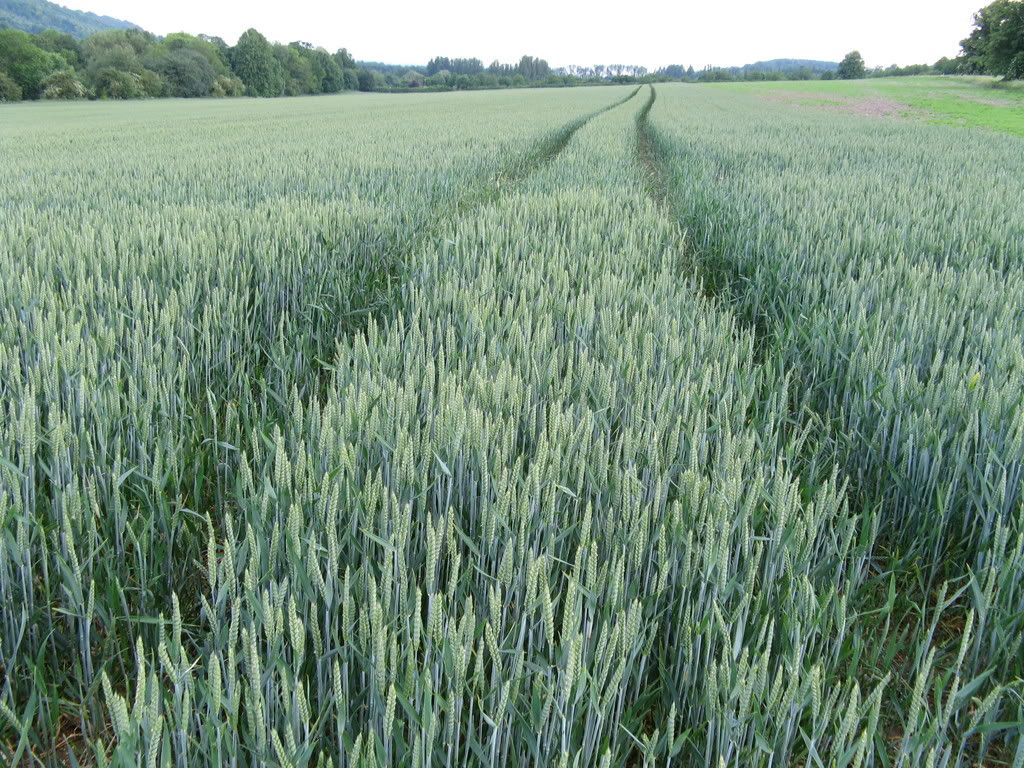 and pests so we had to invent and use massive amounts of pesticides and chemical disease inhibitors - all which end up in our food...all for a little convenience. and pests so we had to invent and use massive amounts of pesticides and chemical disease inhibitors - all which end up in our food...all for a little convenience.
 Healthier cultures still use small diverse local farming and you walk to the farmers market each morning to pick up the fresh foods you are going to eat that day. Our hurried lifestyle finds that much to inconvenient, so we eat preserved, processed food with artificial flavors to replace the real flavors that are lost in order to be able to store the food on a shelf for months. Healthier cultures still use small diverse local farming and you walk to the farmers market each morning to pick up the fresh foods you are going to eat that day. Our hurried lifestyle finds that much to inconvenient, so we eat preserved, processed food with artificial flavors to replace the real flavors that are lost in order to be able to store the food on a shelf for months.
In a healthy lifestyle, daily living activities would naturally provide you with all the walking, stretching, balancing, aerobics, and heavy lifting you need to be healthy. Our modern lifestyle has removed the inconvenience of physical labor, so now we have to pay money to a gym and spend time each day engaging in exercise routines with equipment to replace the normal exercise we got rid of. balancing, aerobics, and heavy lifting you need to be healthy. Our modern lifestyle has removed the inconvenience of physical labor, so now we have to pay money to a gym and spend time each day engaging in exercise routines with equipment to replace the normal exercise we got rid of.
As society has gotten more specialized and detailed in its labor force, it gets more difficult to be connected to the results and impact of our work on our friends and family - a key to feeling satisfaction in our work. This lack of satisfaction and sense of disconnection produces a desire to withdraw from life and be entertained to distract us from our deep dissatisfaction with our lives. Instead of playing and socializing with friends and family and enjoying alone time to study and contemplate, we settle in on the couch in front of the television... another day gone, another bit of life lost.

The choice we have is between life and the opposite of life. Every time we choose convenience, comfort, and non-feeling over the vibrant, active, engagement with life, we are choosing to decrease our health. We choose our illness or health every minute of every day. Shall we choose life, or is that just too inconvenient?
Good Journey,
David
Experience Ellen's Life Coaching Process during her Free Health Exam
Discover your true health status
________
Ouestions - if you have questions of a health or growth nature we could discuss in this newsletter, or if you have comments or ideas about a future newsletter focus please email me at:
david@fairoakshealth.com
|